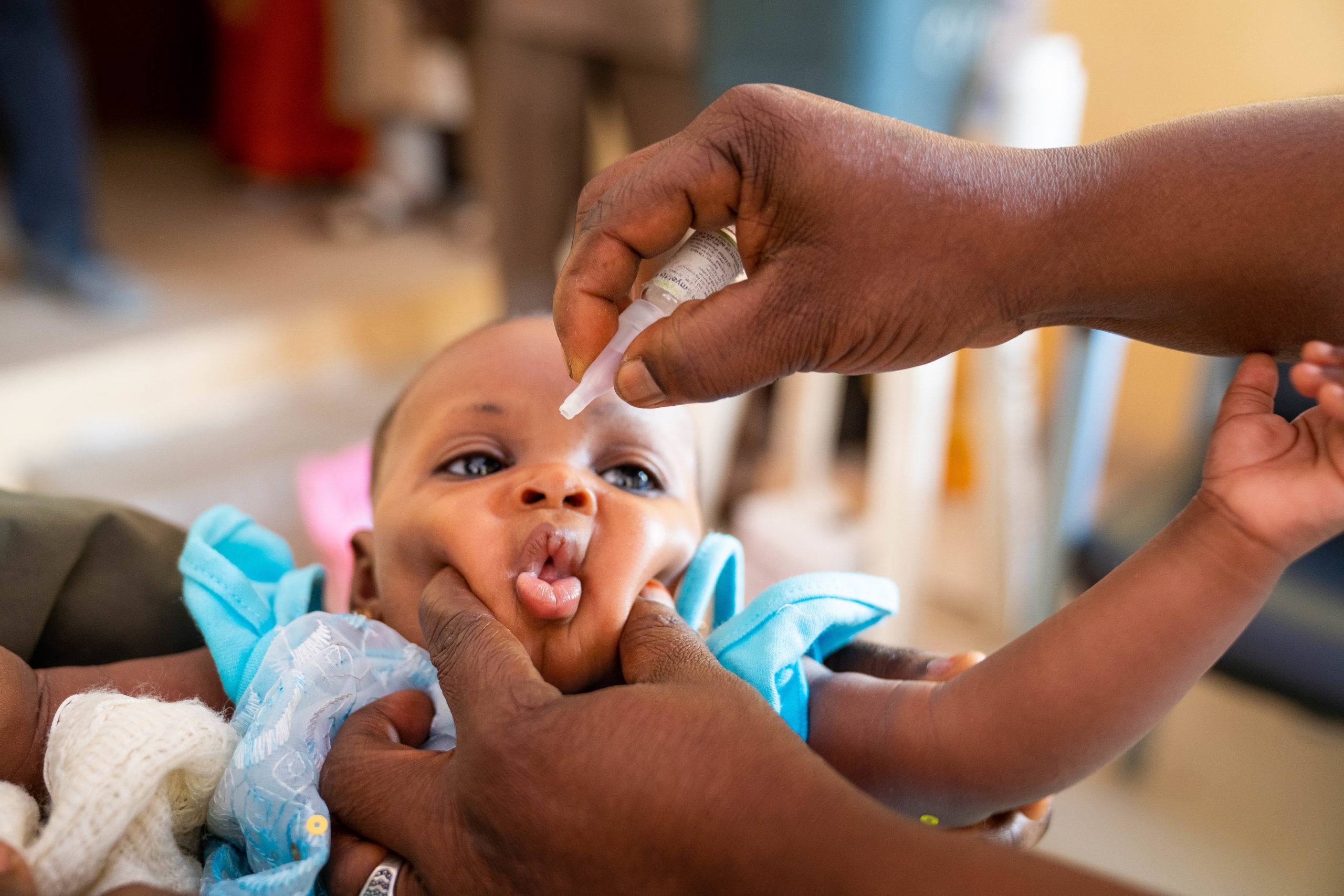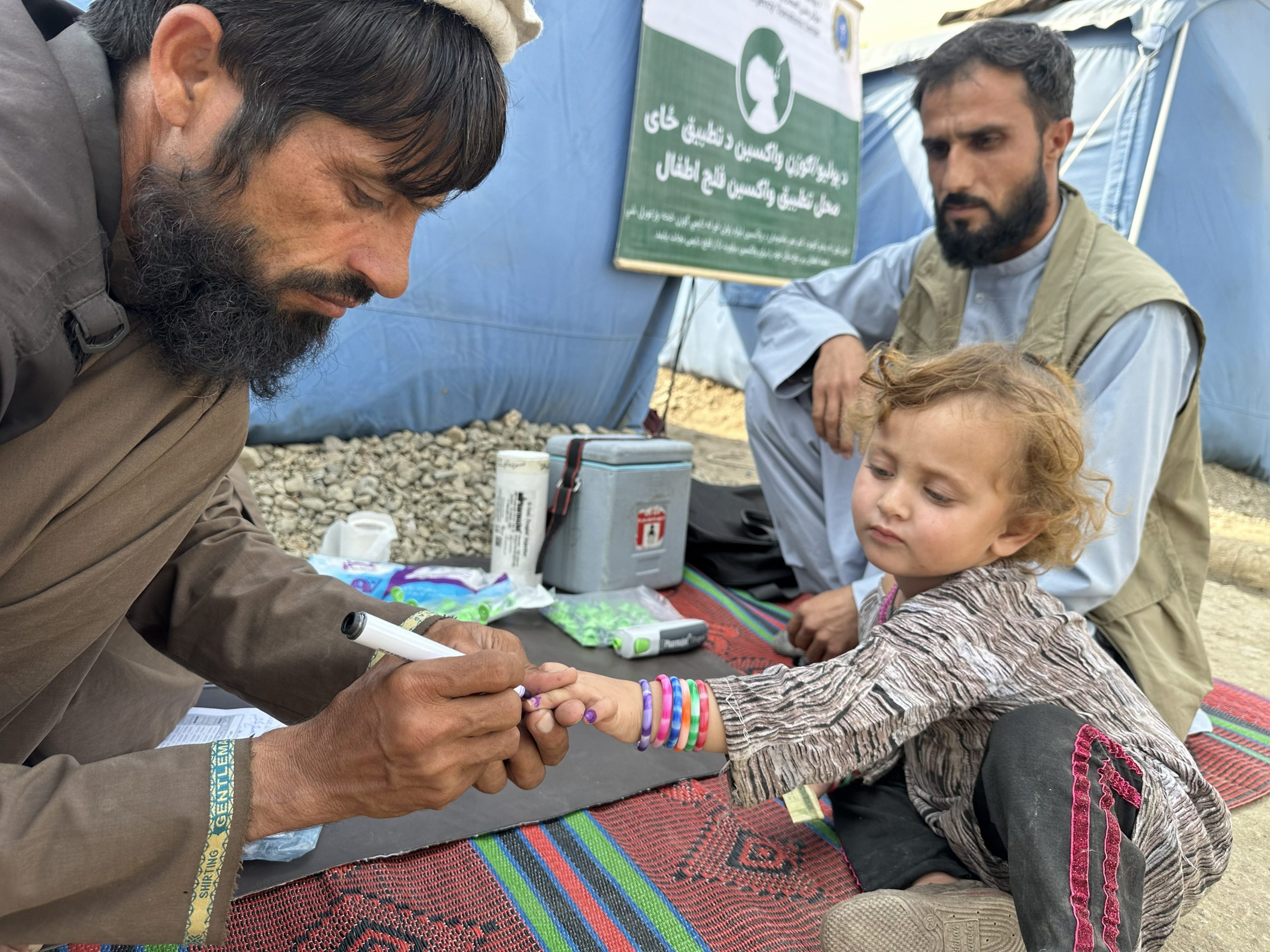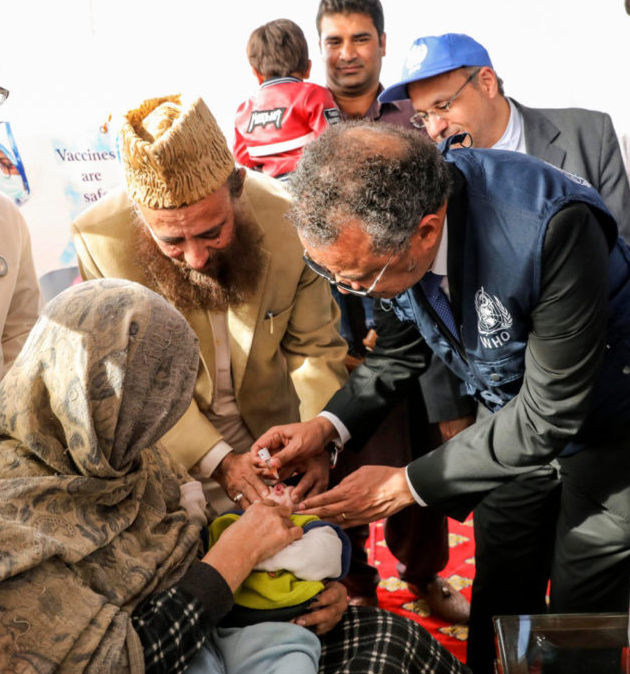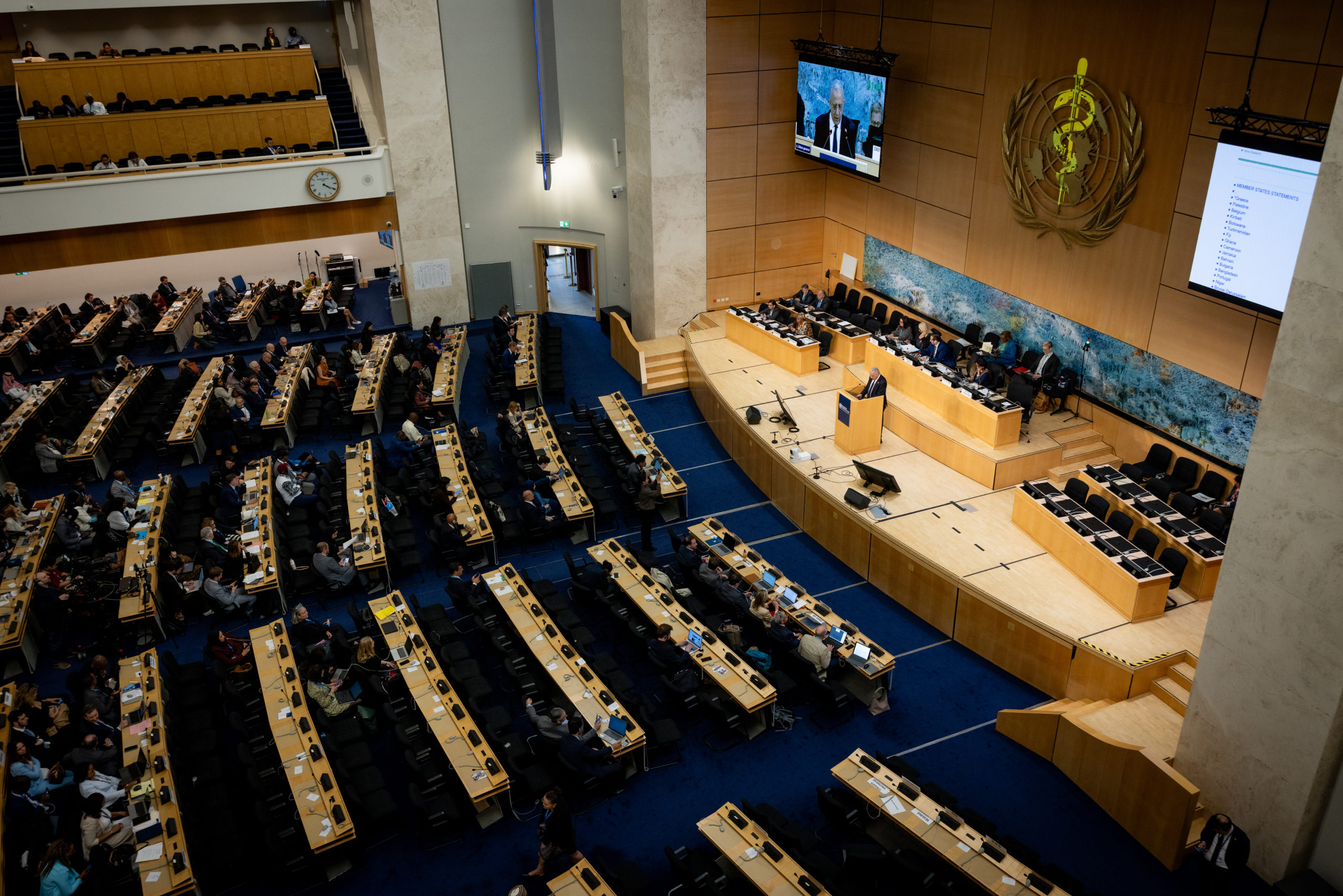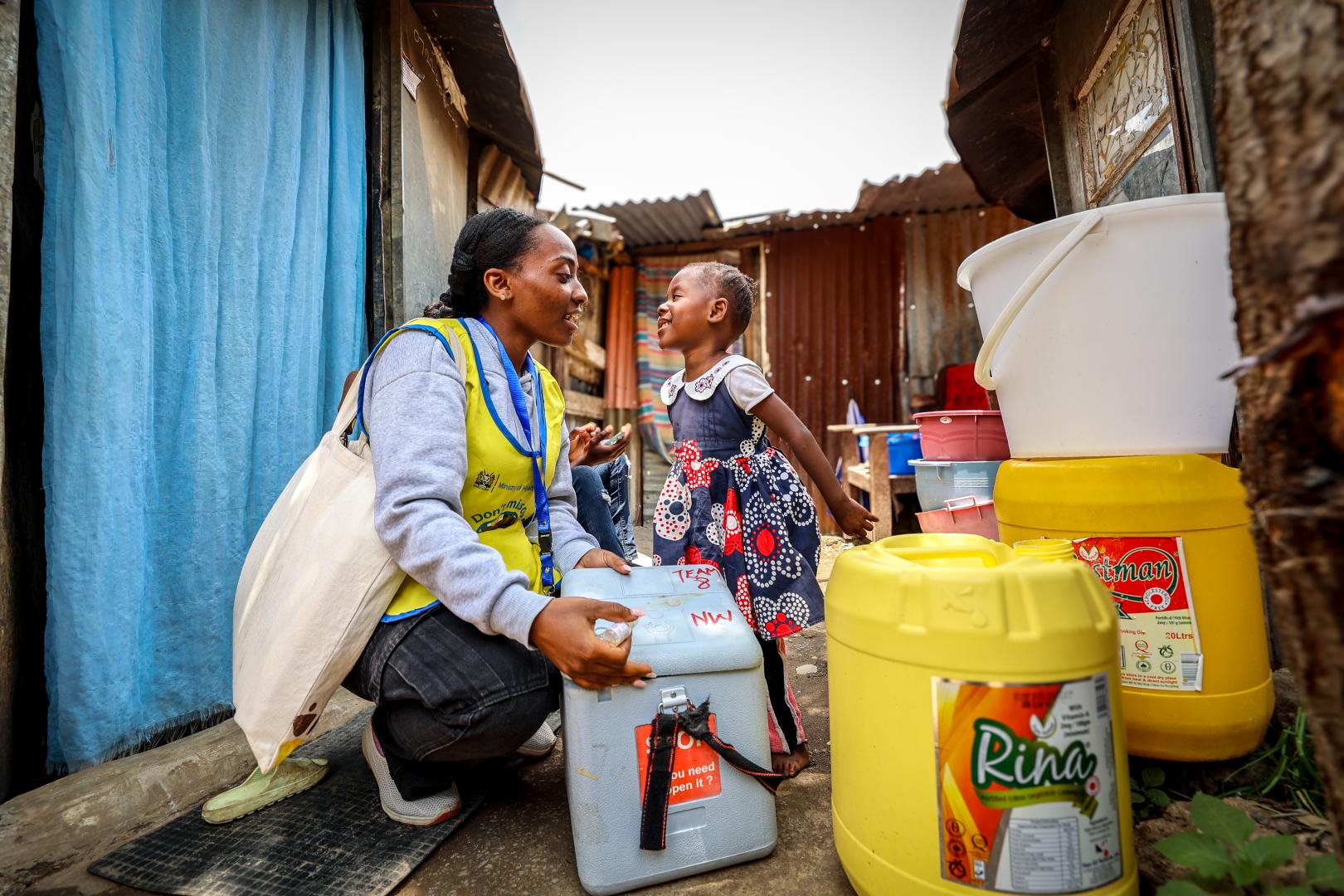
Geneva, Switzerland, 20 May 2026 – During the Interministerial Meeting on Polio in the Horn of Africa and Yemen, held on the sidelines of the Seventy-ninth World Health Assembly (WHA79) on 20 May 2026, countries reaffirmed their commitment to ending variant poliovirus transmission through stronger cross-border coordination, strengthened surveillance and synchronized action. The meeting was jointly convened by the WHO Regional Office for Africa (AFRO) and the WHO Regional Office for the Eastern Mediterranean (EMRO), and chaired by WHO Regional Director for Africa, Professor Mohamed Janabi.
Bringing together Ministers of Health and senior government representatives from Djibouti, Ethiopia, Kenya, Somalia, South Sudan and Yemen, alongside Global Polio Eradication Initiative (GPEI) partners and representatives from the Intergovernmental Authority on Development (IGAD), the meeting focused on accelerating regional collaboration to stop transmission in one of the world’s most interconnected and complex polio epidemiological settings.
The Horn of Africa and Yemen jointly remain one of the world’s most challenging polio epidemiological subregions, shaped by population movement across porous borders, humanitarian crises, insecurity and persistent immunity gaps. Countries in the bloc continue to face outbreaks of variant poliovirus, including Somalia’s prolonged variant poliovirus type 2 (cVDPV2) outbreak, first detected in 2017 and Yemen’s ongoing cVDPV2 outbreak, which has paralysed 452 children – most of whom are in the northern governorates – since 2021.
Despite these challenges, recent progress demonstrates that coordinated action is yielding results. Kenya has reported no poliovirus cases since July 2024, Ethiopia has achieved a 98% reduction in detections of circulating variant poliovirus types 1 and 2 in 2025, and Djibouti has recorded no detections of variant poliovirus types 1 and 2 since May 2025 following intensified response measures. Earlier this year, Ethiopia and South Sudan also launched synchronized vaccination campaigns after variant poliovirus type 1 (cVDPV1) was detected near their shared border, highlighting the continued risk of cross-border transmission.
“Polio eradication remains our highest priority. Despite the challenges we face, Somalia is fully committed to interrupting transmission, including by reducing zero-dose children, strengthening accountability and ownership, improving access to hard-to-reach communities and reinforcing regional collaboration to address cross-border population movement,” said H.E. Ali Haji Adam, Minister of Health of Somalia, at the meeting. He also emphasized continued efforts to close operational gaps and thanked multilateral and Global Polio Eradication Initiative partners for their sustained support.
Ethiopia highlighted the importance of maintaining momentum through high-quality vaccination campaigns, stronger routine immunization, surveillance and cross-border coordination to address outbreaks of both poliovirus types 1 and 2, particularly in border areas. “This meeting provides an important opportunity to further strengthen coordination with neighbouring countries and regional mechanisms, as we work together to stop transmission,” said H.E. Mekdes Daba, Minister of Health of Ethiopia, while also acknowledging the support of partners, including Rotary, through Rotarians working on the ground.
Participants emphasized that sustained political commitment and collaboration remain critical to stopping transmission in a region where mobility, insecurity and humanitarian emergencies continue to increase the risk of spread.
“At a time of competing health emergencies and financial pressures, we cannot lose sight of what is at stake: protecting every child. As we work together to stop poliovirus transmission in the region by the end of 2027, stronger cross-border coordination and robust surveillance will be critical to sustaining progress and protecting communities,” said Dr Mohamed Janabi, WHO Regional Director for Africa.
The meeting took place amid a difficult global health financing environment and declining external funding for polio eradication. Ministers underscored the importance of increased domestic resource mobilization, prioritization and efficient implementation of activities to sustain progress despite operational pressures such as fuel shortages, rising costs and competing public health priorities.
Government representatives reaffirmed their commitment to improving the quality of vaccination campaigns, strengthening routine immunization and closing immunity gaps, particularly among underserved populations in border communities, remote rural areas, insecure settings and mobile groups. They also committed to enhancing poliovirus surveillance, including expanding community-based surveillance in hard-to-reach areas, and integrating vaccination with broader health services to ensure timely outbreak detection and rapid response to outbreaks.
Mr Michael McGovern, Polio Oversight Board (POB) Chair, commended countries for their efforts to conduct high-quality polio activities despite funding constraints, while emphasizing the need to maintain momentum through strong surveillance, sustained commitment, and close coordination to stop poliovirus transmission.
Speaking on behalf of GPEI partners, Dr Chris Elias, a member of the POB and President of the Global Development Program at the Gates Foundation, emphasized the importance of reaching children who have never received vaccines and leveraging initiatives such as Gavi’s rollout of hexavalent vaccines to expand protection against preventable diseases.
As the meeting concluded, ministers reaffirmed their shared commitment to sustained collaboration, coordinated action, stronger oversight and accountability to protect children from polio, ensuring no country in the region is left behind in the effort to eradicate the disease.
Sustaining progress against polio requires strong partnerships and continued investment. The Global Polio Eradication Initiative (GPEI) recognizes the support of the King Salman Humanitarian Aid and Relief Center for eradication efforts in the Region, including Ethiopia, Somalia and Yemen. Support from the Mohammad bin Zayed Humanitarian Foundation, together with contributions from other donors and GPEI partners, is helping countries strengthen immunization, protect children and move closer to a polio-free, more equitable world.