The 2025 WHO/UNICEF Estimates of National Immunization Coverage (WUENIC), released last week, provide governments, donors, parents and health advocates with a comprehensive view of how well routine immunization systems are reaching children. For the Global Polio Eradication Initiative (GPEI), the value of these numbers is in what it tells us about the strength of health services in the countries that are still endemic for polio or have frequent polio outbreaks. Robust routine immunization systems are vital to polio eradication efforts, as population immunity is the key defense against the virus.
A key metric for routine immunization is how many infants receive diphtheria-tetanus-pertussis vaccine (DTP). In lower-income countries, 88% of infants received a first dose of DTP1 in 2025. This figure rose by one percentage point over 2024, to match 2019 levels, before disruptions to global immunization rates due to the COVID-19 pandemic. Efforts to catch up missed cohorts through the Big Catch-Up, supported by the polio programme, have made progress – an estimated 13.5 million children globally remained “zero-dose” in 2025, having received no vaccines, which is around 750,000 fewer than the year before. However, progress is offset by a rising number of children who start vaccination schedules, but do not complete them, and the total number of un- and under- immunized children stands at 19.6 million – 1.4 million more than in 2019.
What the IPV numbers show
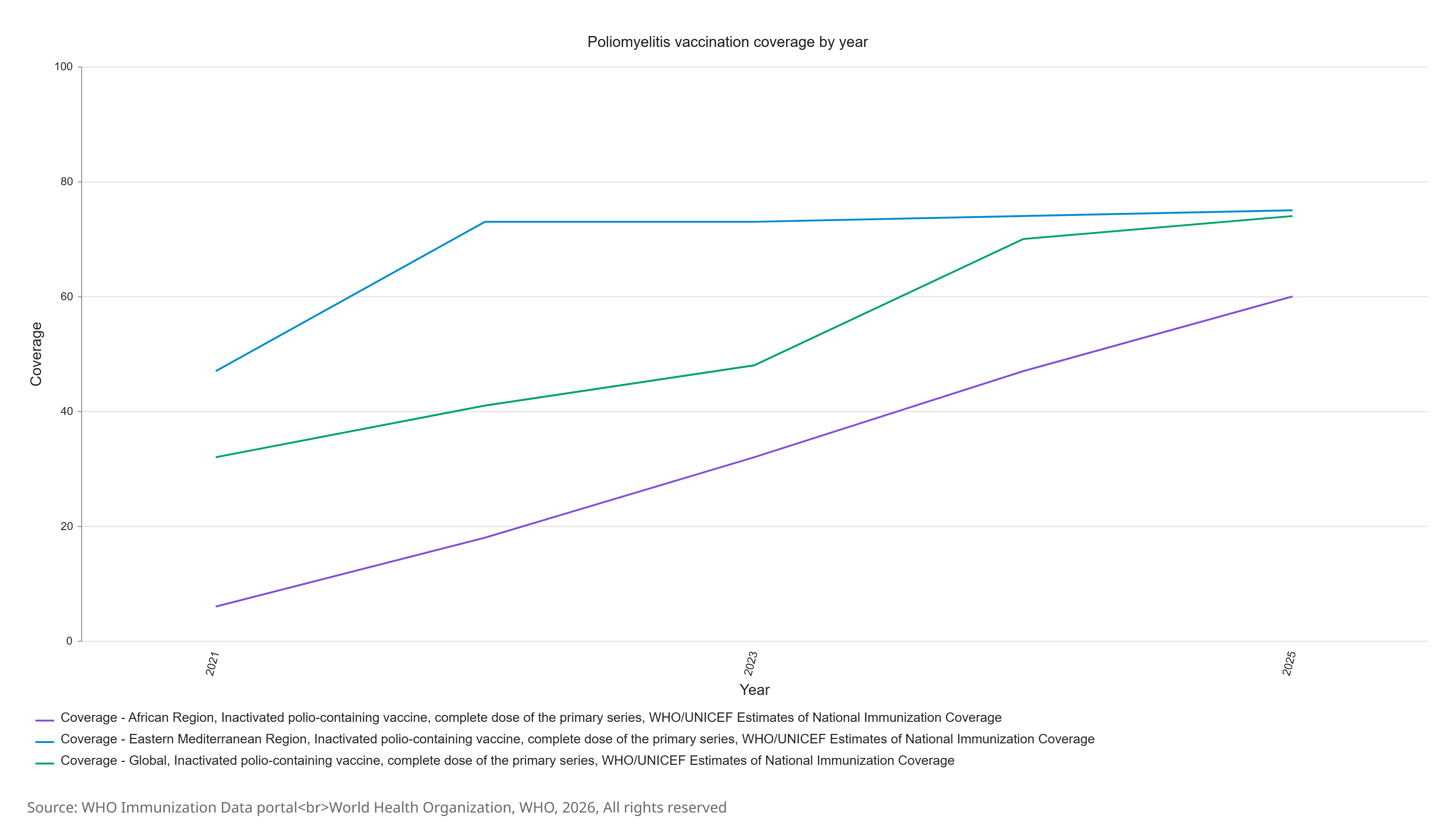
For polio, the overall direction of travel is positive. Global coverage with the first dose of inactivated polio vaccine (IPV1) held steady at 86% between 2024 and 2025, whilst coverage with the complete IPV primary series rose from 70% to 74% over the same period, meaning that more children are now fully protected.
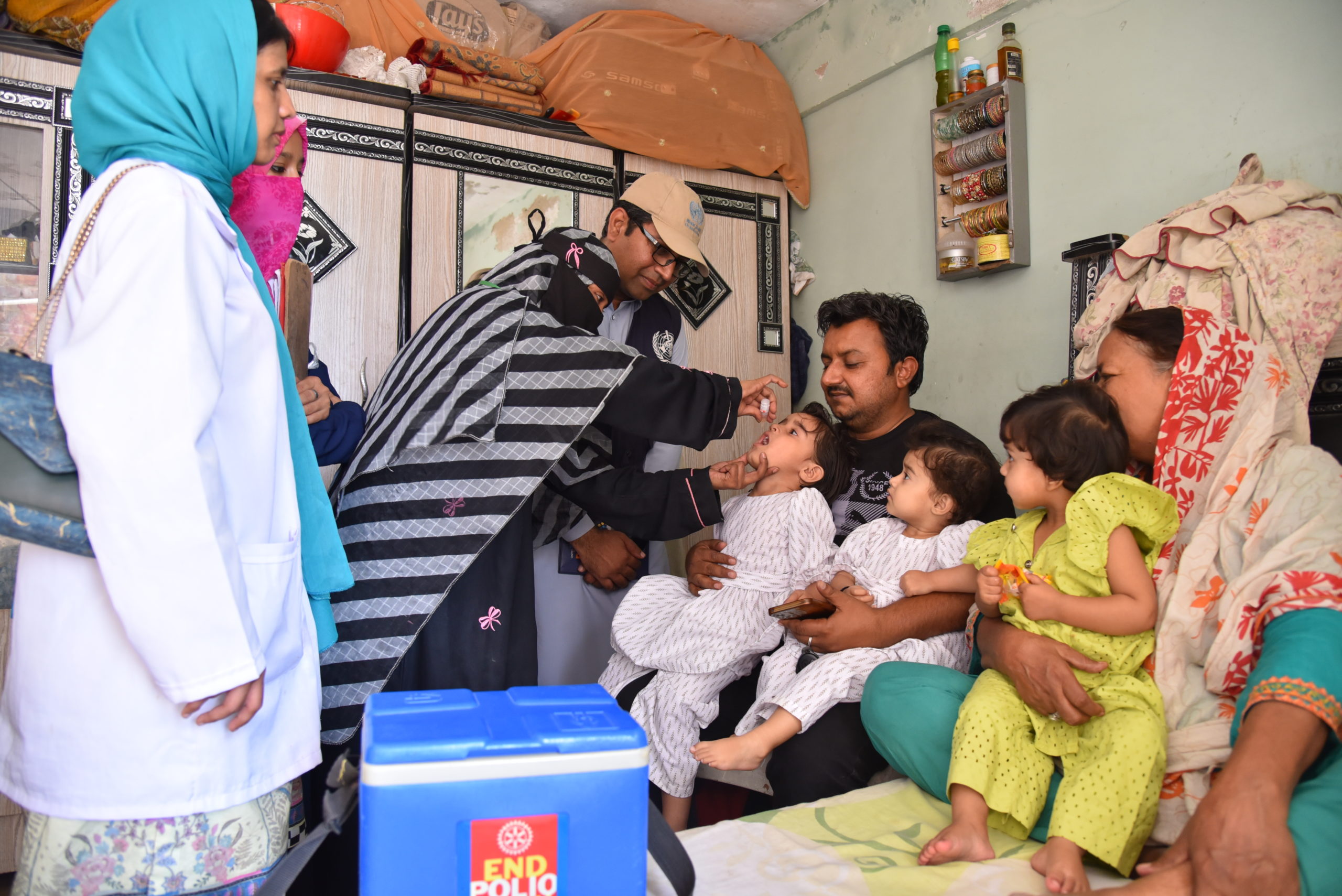
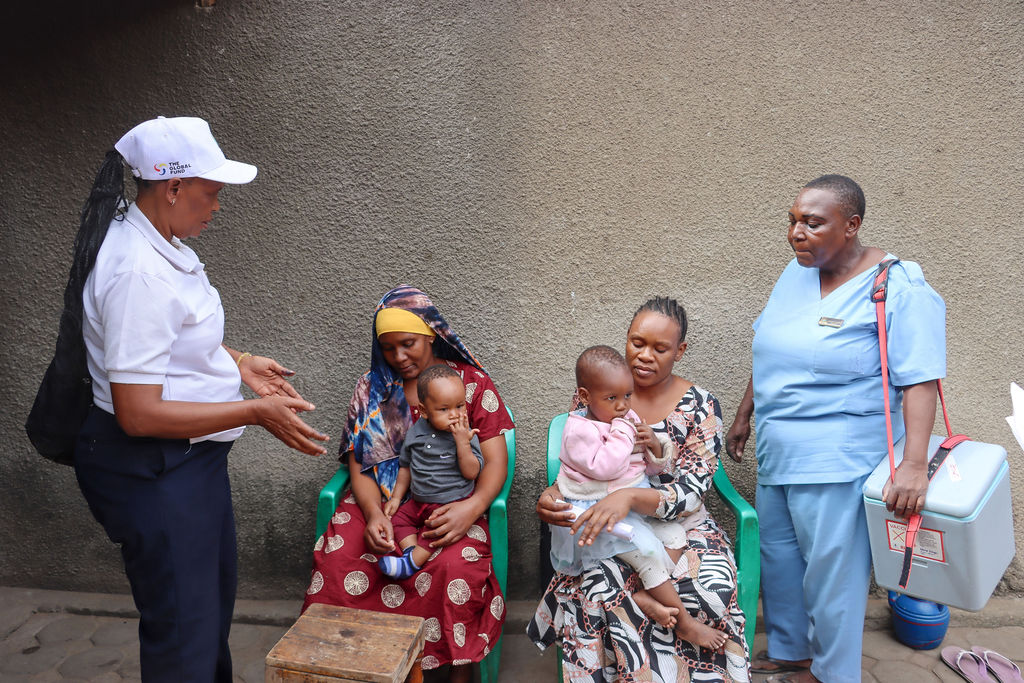
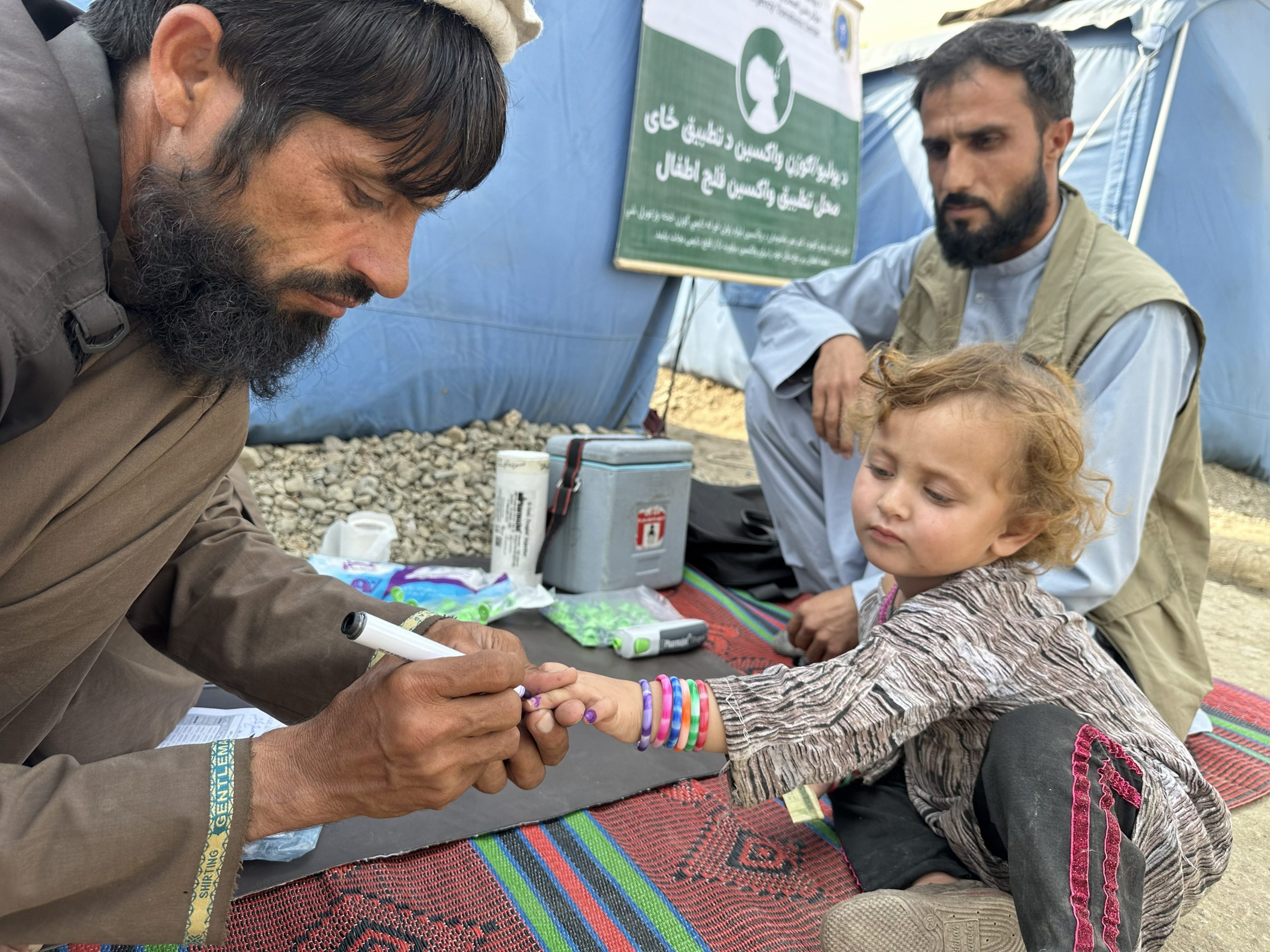
However, the picture is more mixed in the African and Eastern Mediterranean regions, where most countries affected by polio are located. In the WHO African Region, which continues to respond to variant poliovirus outbreaks, IPV1 coverage rose from 76% to 77% and completion of the IPV primary series climbed from 47% to 60%. In the Eastern Mediterranean Region, home to the two remaining endemic countries, Afghanistan and Pakistan, as well as several conflict-affected countries experiencing polio outbreaks, IPV1 coverage increased from 82% to 84%, although in the endemics, coverage broadly remained static or declined. Dedicated fractional-dose IPV campaigns are underway to try to address these gaps, led by the Afghanistan and Pakistan polio programmes.
Significantly, the WUENIC estimates find that 54% of all zero-dose children live in fragile and conflict-affected settings. These areas include the polio consequential geographies and endemics. In particular, Afghanistan, Pakistan, Angola, the Democratic Republic of Congo, Nigeria and Yemen are among the countries with the highest number of zero-dose children, underscoring the challenging environment and weak health systems in the places where the polio programme operates.
Why routine immunization matters now, and in the future
As the programme tackles the final reservoirs of the virus, strong routine immunization is fundamental to sustaining eradication. Every child reached through the routine system with polio vaccines contributes to the population immunity that denies the virus room to circulate. This is why the last chains of poliovirus persist in the same communities where routine coverage is weakest. In the near term, the programme is focused on reaching zero-dose children in fragile settings and working with partners to strengthen routine systems so the virus cannot gain a foothold following the closure of outbreaks. In 2025, Sudan showed what is possible even in the hardest circumstances, recording the world’s largest improvement in DTP3 coverage, by 32%.
The WUENIC estimates also underscore why the programme has stepped up integration efforts. The polio programme long ago stopped being about polio alone. In 2025, around 50% of polio campaigns were integrated to deliver other vaccines or health services alongside polio drops, extending a broader package of care to families and aiming to stretch every dollar further. These efforts assist eradication, but also strengthen routine immunization, and lay important groundwork for polio transition, through reducing verticality and embedding polio functions within national health systems.
This systems view is reflected in the Sustaining a Polio-free World strategy, presented to Member States in May 2026, which places strong routine immunization with polio vaccines at its core. A key aspect of the strategy – the eventual, globally synchronized withdrawal of the bivalent oral poliovirus vaccine (bOPV), a necessary step to secure a polio-free world – depends on countries having strong IPV coverage, with all countries delivering two or more IPV doses to children, with target coverage of at least 80%. The rise in complete-series IPV coverage in Africa in the WUENIC data is therefore an encouraging sign for bOPV cessation feasibility, but more progress is needed. From 2026, a new hexavalent six-in-one vaccine offers another route to reach children with polio protection through the routine schedule.
Eradication and stronger health systems go hand-in-hand
The WUENIC data arrives as global health financing tightens and discussions on global health architecture reform gather pace, with a shared aim of promoting country ownership, integrated delivery and stronger, more sustainable systems. GPEI’s immunization infrastructure, surveillance networks and community reach are essential to defeat the poliovirus. These are lasting assets for countries, which if successfully transitioned and embedded in national health systems, will contribute to global health security long after polio is gone.
Ultimately, the WUENIC figures are a reminder of how the eradication effort and strengthening health systems go hand-in-hand. Routine immunization alone cannot end polio, which is why sustained investment in the polio programme remains critical. Yet the reverse is equally true: a critical aspect to beat the virus is strong routine systems. Eradication and more resilient immunization systems must advance together, and together, they will finish the job.