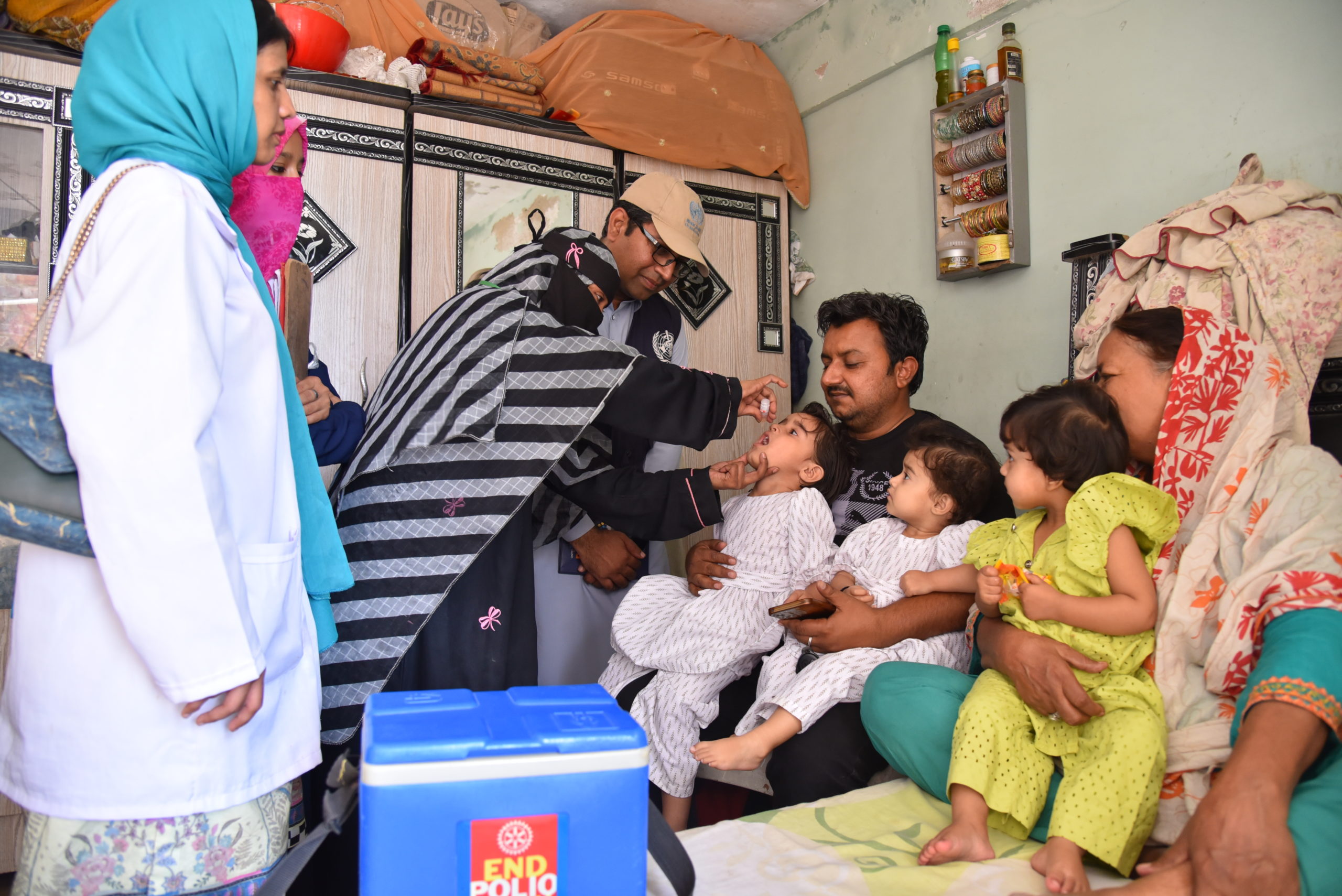
Did you know that in 2025, the GPEI immunized more than 350 million children multiple times, including more than 55 million children in Pakistan and Afghanistan, and more than 600 000 children against all odds in the Gaza Strip?
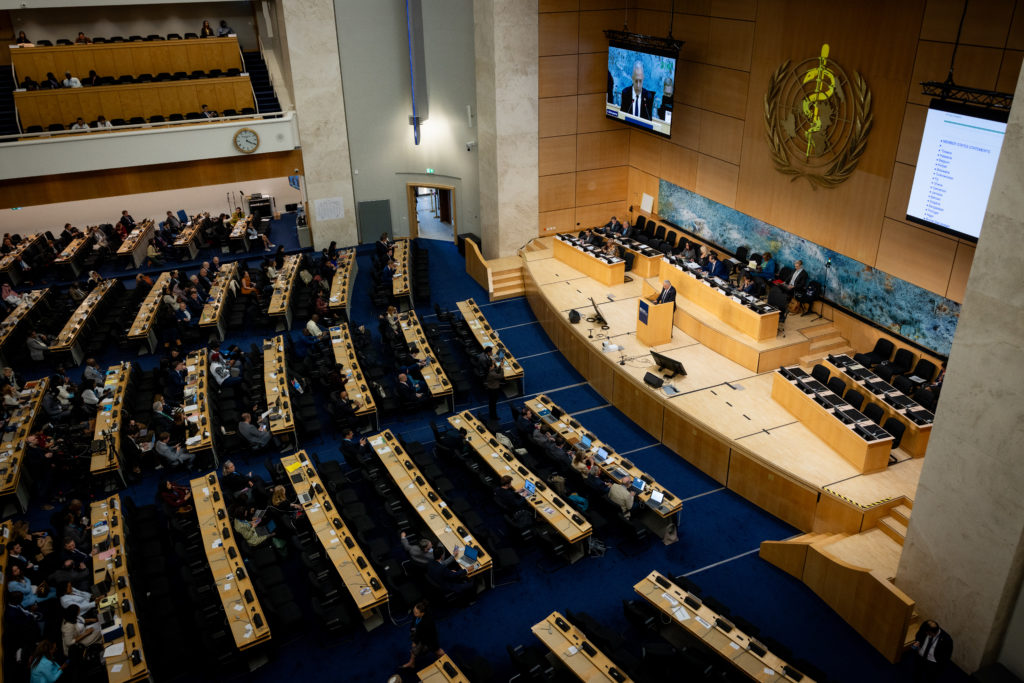
Despite these tremendous numbers, we know what the ‘final gap’ for polio eradication looks like. It is not an abstract concept, but the remaining children who will need to be reached and vaccinated. At this year’s World Health Assembly, Member States and partners focused not only on progress made, but on what remains to be done: closing the final gaps in access, coverage and financing to achieve a polio-free world.
Amid discussions on a broad range of global public health priorities, including the ongoing emergency Ebola outbreak response in the Democratic Republic of the Congo, pandemic preparedness and sustainable financing for health systems, delegates repeatedly returned to one central message on polio: the world stands closer than ever to eradication, but the final phase will require sustained political commitment, operational discipline and continued solidarity. In his opening address to the Assembly, WHO Director-General Dr Tedros Adhanom Ghebreyesus underscored WHO’s commitment to continue to work with partners to achieve “our long-held dream of eradicating polio.”
For more than three decades, polio eradication has remained one of the very few public health efforts supported by every government. That commitment was strongly reaffirmed throughout this year’s Assembly, alongside a stark reminder that polio remains a Public Health Emergency of International Concern (PHEIC), now one of only two globally, alongside the Ebola outbreak.
“At this stage, the challenge is increasingly defined by gaps,” said Dr Razia Pendse, Chef de Cabinet of the WHO Director-General’s office, during the Assembly discussions. “And none of these gaps are scientific or technical — they are gaps in political will. Gaps in vaccination coverage, where children are still being missed. Gaps in access, where insecurity or instability limits our reach. And gaps in financing, where resources must match the urgency of the final push.”
Within that context, highlighting the importance of predicable and sustained financing, Monaco officially announced that it will be extending its strong historical support for polio eradication through the 2027 to 2029 period. Monaco has been a consistent donor and advocate to the polio programme for over 20 years, contributing more than US$ 2.5 million to the eradication effort.
The Sustaining a Polio-Free World (SPW) strategy was also presented to Member States as part of the Assembly discussion. In their remarks, Member States underscored that eradication must be accompanied by concerted efforts to ensure the sustainability of a polio-free world, including by strengthening routine immunization, sustaining rapid detection and response to outbreaks and achieving robust containment. Many Member States also highlighted the importance of transitioning the extensive infrastructure built through the Global Polio Eradication Initiative (GPEI) to national governments, to support sustainable, resilient and equitable health systems. The presentation of the strategy marks the beginning of the implementation planning period that will run in parallel with the final stages of the eradication period, during which countries, regions and global partners will work together to prepare for sustaining a polio-free world.
The themes of cooperation and sustainability were echoed by Rotary International, one of the founding partners of the GPEI, which emphasized that the partnership serves as a model for the evolving global health architecture. “The GPEI is a model for how the reformed global health architecture can function optimally,” said Judith Diment, Vice-Chair, International PolioPlus Committee, Rotary International. “It has built critical public health functions — surveillance, laboratories and rapid response — that underpin broader health security and resilience, while being equity-driven by reaching and leaving no one behind.”
Polio was also the focus of several high-level side events and strategic discussions throughout the Assembly week. At an interministerial meeting on polio in the Horn of Africa and Yemen – jointly convened by WHO’s Regional Offices for Africa and the Eastern Mediterranean and chaired by the WHO Regional Director for Africa Dr Mohamed Janabi – Ministers of Health and senior government representatives from Djibouti, Ethiopia, Kenya, Somalia, South Sudan and Yemen, alongside GPEI partners, reaffirmed their commitment to strengthening cross-border coordination, surveillance and synchronized responses to address persistent outbreak risks across mobile populations and shared epidemiological corridors.
The Executive Sponsors of the Polio Legacy Challenge (PLC), including Qatar, the Kingdom of Saudi Arabia and the United Arab Emirates, met with WHO Regional Director for the Eastern Mediterranean Dr Hanan Balkhy, GPEI partners and donors, and Afghanistan’s Minister of Public Health, who joined virtually, to review progress under this innovative financing initiative. Later in the week, during discussions with Senator Ayesha Raza Farooq, Prime Minister’s Focal Person for Polio Eradication in Pakistan, Qatar and UAE, GPEI partners and donors reviewed recent progress and priorities for accelerating eradication efforts. Participants highlighted Pakistan’s strong political commitment and emphasized the importance of sustaining momentum, strengthening operational quality and closing remaining immunity gaps to permanently interrupt transmission.
A recurring theme throughout the week’s discussions was that the final phase of eradication is increasingly defined not by what the world does not know — but by what it must still reach.
Delegates spoke not only about strategies and financing, but also about people.
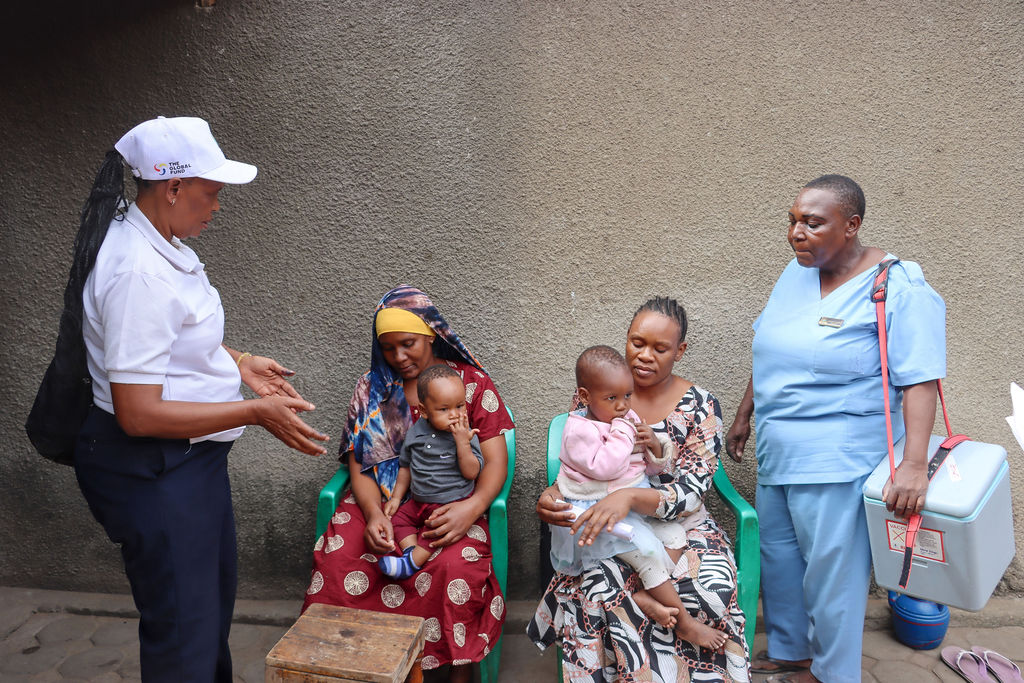
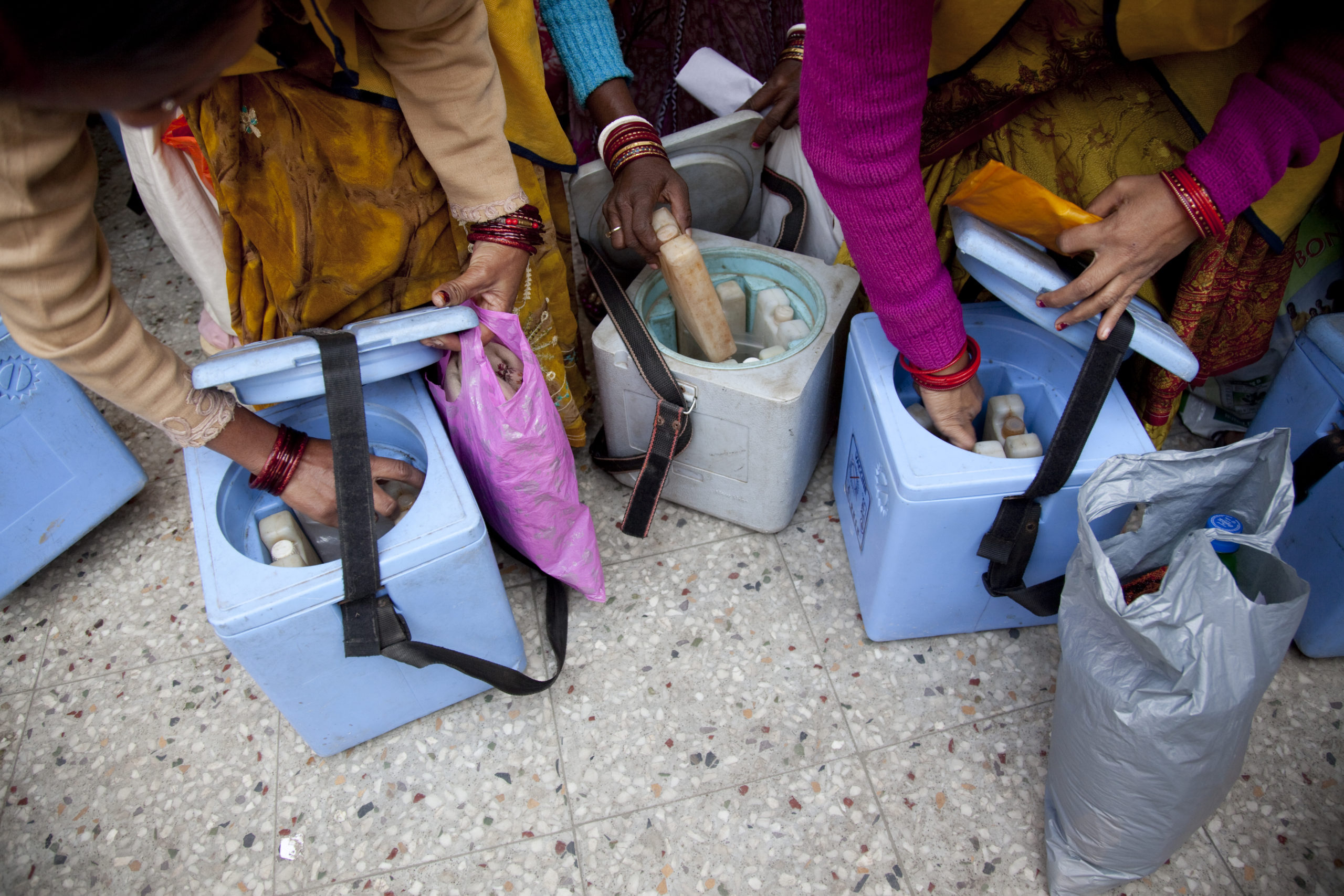
Many paid tribute to frontline health workers, particularly women, who continue to go door to door in some of the most challenging environments in the world to ensure that no child is missed. Several Member States shared personal observations from the field, highlighting the dedication, resilience and sacrifices these workers make every day.
Speaking on behalf of the Eastern Mediterranean Region, WHO Regional Director Dr Hanan Balkhy highlighted both the progress achieved and the extraordinary efforts required to sustain it. “We are closer to polio eradication than ever, but the final stretch demands exceptional operational discipline and sustained political commitment,” she said. “The remaining reservoirs are the hardest to access, the most politically complex, and the most unforgiving of operational gaps.”
The UN Foundation similarly called on Member States to sustain commitment to eradication efforts and broader immunization systems. “A polio-free world is a smart investment in future generations and global health security,” said Patricia Chacón, Director for Global Health, UN Foundation.
Throughout the week, one message resonated strongly across formal statements, side events and bilateral discussions alike: supporting frontline health workers is both a privilege — and a responsibility. As the world stands closer than ever to eradication, the path forward is increasingly clear. The tools are available. The tactics continue to be adapted to local realities and to support the evolving global health architecture to close the final gaps, in every community, for every child.
If the world succeeds, it will not only achieve the eradication of polio but also honor the extraordinary efforts of the generations of health workers, volunteers, communities and partners who made it possible.