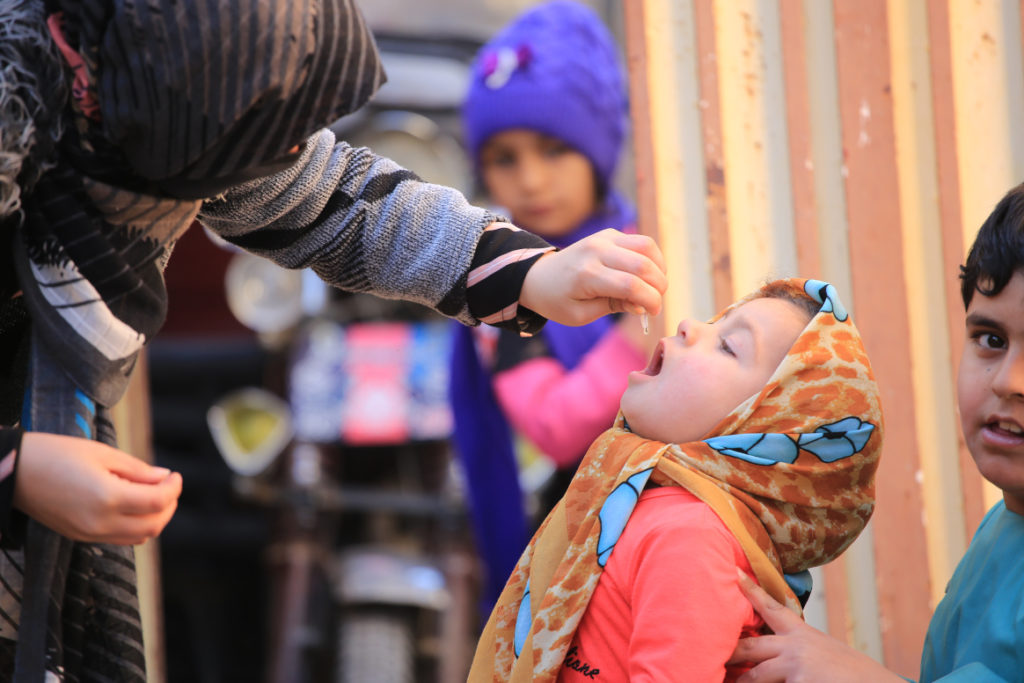
Amman, Jordan, 4 June 2026 – The Technical Advisory Group (TAG) on Polio Eradication has identified key priorities and milestones for Afghanistan and Pakistan as the two countries work to interrupt the remaining chains of wild poliovirus transmission.
Meeting virtually on 13–14 May 2026, the independent body of global experts reviewed progress, challenges and operational plans across the world’s last two polio-endemic countries. The TAG noted that the global eradication effort has entered a decisive phase, with important gains achieved over the past year and extensive operational efforts underway across both countries, but continued urgency required to stop the remaining transmission.
The experts welcomed progress in reducing the geographical spread of the virus and acknowledged the commitment of governments, frontline workers, partners and communities. At the same time, they cautioned that declines in cases and environmental detections should not be interpreted as a signal that the job is done. Sustained programme intensity and high-quality implementation will be essential to interrupt transmission and secure lasting success.
The TAG also established a series of epidemiological milestones for September 2026, December 2026 and June 2027 to help measure progress in the remaining transmission zones and guide programme action over the coming year.
Progress demonstrates what is possible
The TAG welcomed progress across several key geographies in both countries.
Compared with the same period in 2025, the geographical spread of wild poliovirus has narrowed and transmission has become increasingly concentrated in a small number of high-risk areas, reflecting intensified vaccination efforts and strengthened programme implementation. Encouraging progress has been seen in Afghanistan’s East Region and parts of Pakistan, including the Peshawar and Quetta Blocs, where high-quality vaccination campaigns have helped suppress local virus circulation.
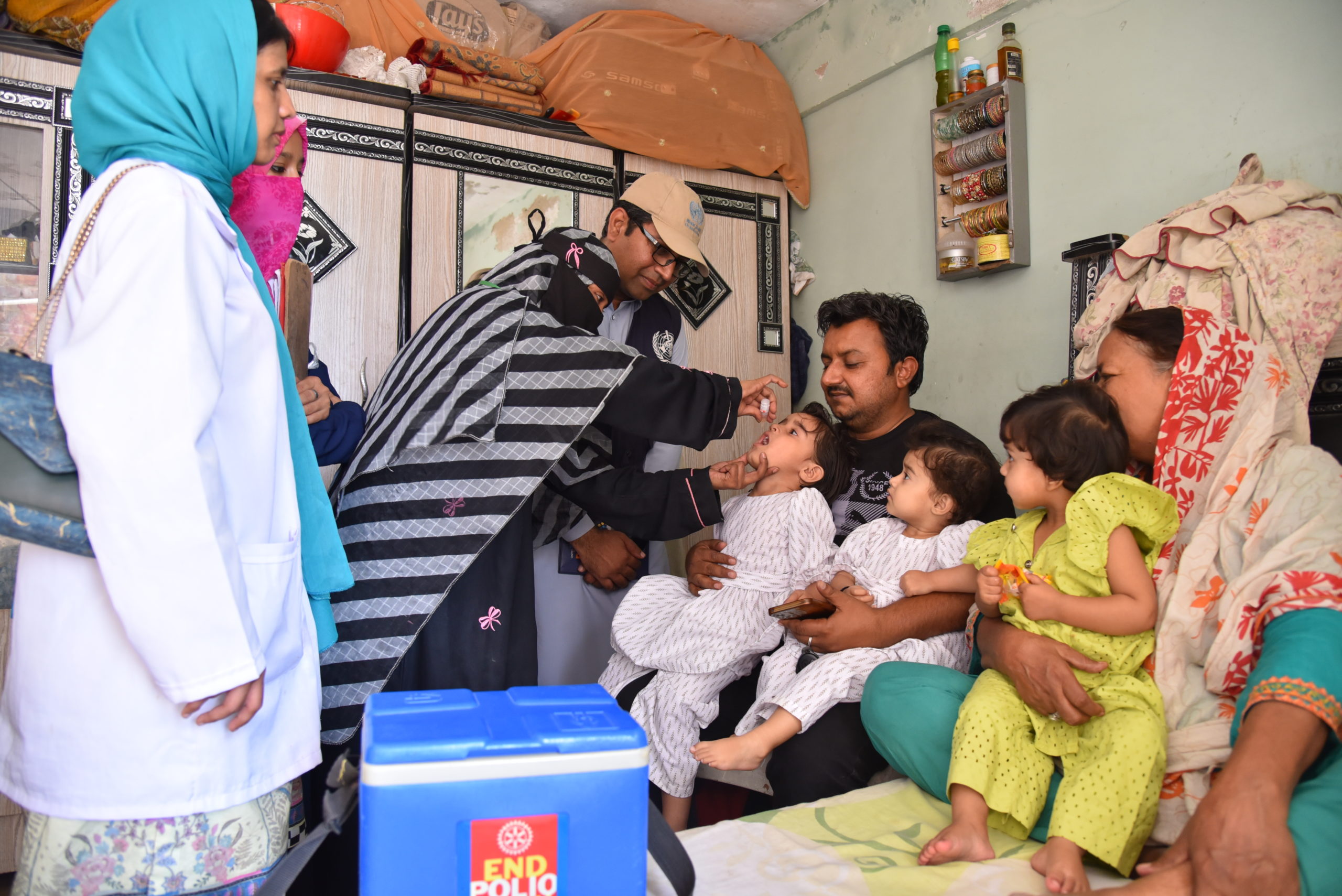
The TAG commended the continued commitment of governments in both countries, including the leadership of senior political officials, alongside the dedication of programme staff and partners working to protect children from polio. The experts paid particular tribute to frontline workers, whose efforts remain at the heart of the eradication initiative.
The group also acknowledged the sustained support of donors and partners at a time of growing pressure on global health financing.
Remaining hotspots continue to fuel transmission
Despite progress, the TAG cautioned that wild poliovirus continues to circulate in several high-risk areas that remain the main sources of transmission.
The experts identified three critical hotspots requiring intensified focus: Afghanistan’s South Region, Pakistan’s southern Khyber Pakhtunkhwa (KP), and the Karachi Bloc.
Together, these areas remain the principal reservoirs of wild poliovirus transmission and sources of onward spread. Population movement, insecurity, misinformation and operational challenges continue to complicate efforts to consistently reach every child with lifesaving vaccines.
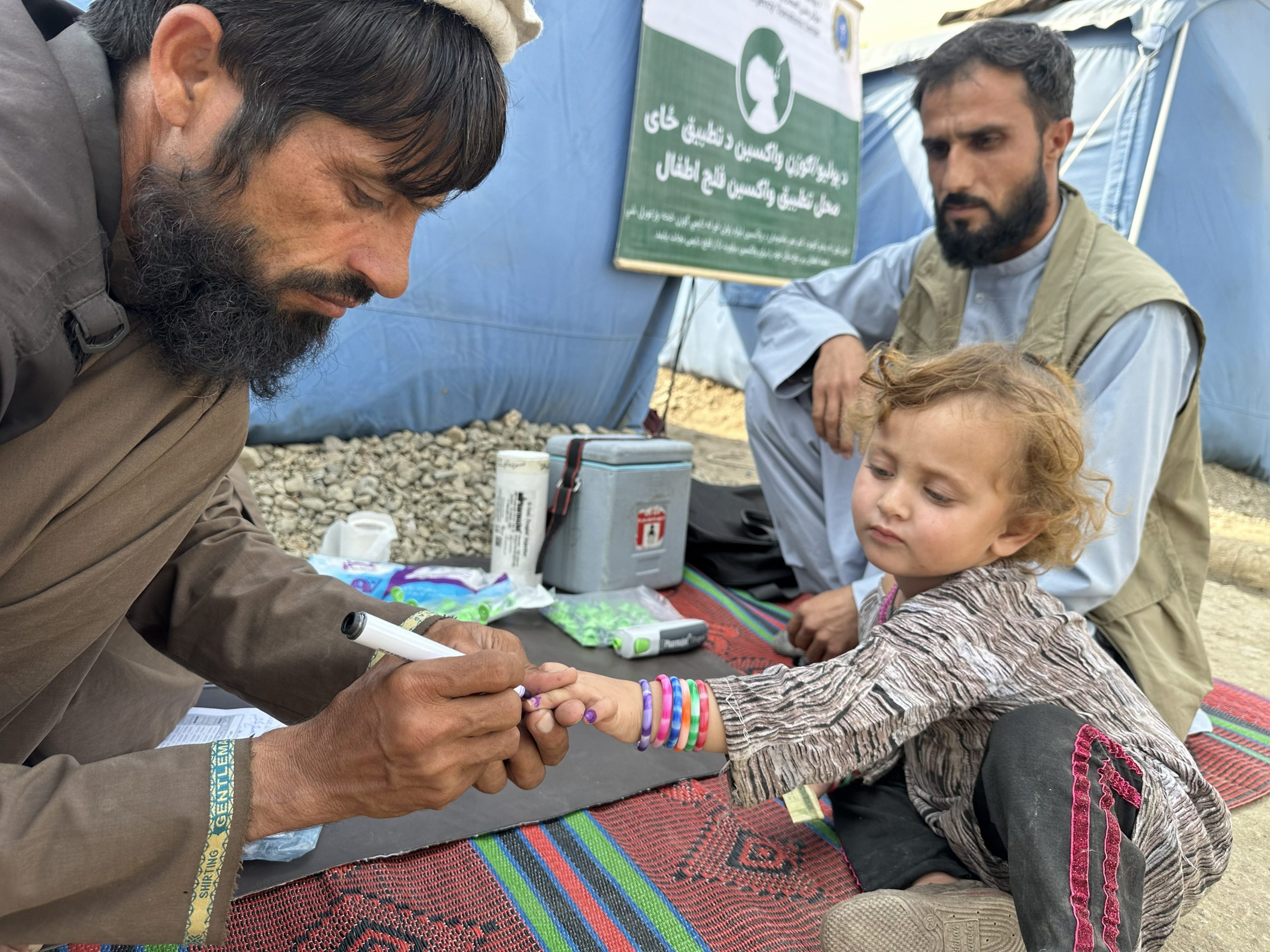
In Afghanistan’s South Region, transmission remains intense and continues to spread to other areas. At the same time, the programme continues to work with national and subnational authorities to identify practical solutions that enable more children to be reached in high-risk areas. The TAG reiterated that house-to-house vaccination remains the gold standard for eradication and called for renewed efforts to maximize opportunities for this approach while strengthening community engagement and government ownership.
In southern KP, Pakistan’s longest-standing reservoir of transmission, the TAG recognized substantial efforts to improve access and campaign implementation. However, experts stressed that continued operational and access challenges highlight the need for stronger community engagement, more reliable access to children and improved monitoring systems.
The TAG also highlighted Karachi as one of the most significant remaining sources of poliovirus spread in Pakistan. While recent trends suggest encouraging early signs following intensified efforts, experts emphasized that sustained implementation and close monitoring will be essential to ensure these gains lead to interruption of transmission.
Priority actions for the months ahead
Across both countries, the TAG emphasized the need for accelerated action in the highest-risk areas to sustain momentum and translate recent progress into lasting impact.
In Afghanistan’s South Region, the experts called for a rapid review of current strategies to maximize opportunities for house-to-house vaccination, optimize site-to-site approaches where needed, strengthen the role of female frontline workers within culturally appropriate frameworks, improve the ability to reach newborns and young children and deepen community engagement to build trust and vaccine acceptance.
In southern KP, the TAG urged the programme to strengthen analysis of campaign quality, surveillance and community engagement activities to better understand what is driving progress and where gaps remain. The experts stressed that all union councils should achieve and sustain consistently high performance, with high-level advocacy focused on ensuring reliable access to all children during upcoming campaigns.
For Karachi, the TAG called for rigorous implementation of the Karachi Action Plan, including strengthened oversight, simplified data systems and regular monitoring to ensure recent improvements are sustained.
The experts also highlighted the need to strengthen surveillance systems, systematically assess the impact of social and behavioural interventions, and use community feedback more effectively to guide programme decisions and resource allocation.
To support accountability and guide programme action, the TAG established a series of epidemiological milestones for September 2026, December 2026 and June 2027. These benchmarks will help assess progress in the remaining transmission reservoirs and inform future programme reviews.
Across all priority geographies, the TAG stressed that sustained political leadership, stronger government ownership and continued support from partners and donors will be essential to protecting recent gains, sustaining momentum in the remaining hotspots and achieving the shared goal of a polio-free world.
A critical opportunity to finish the job
The TAG concluded that interrupting wild poliovirus transmission remains achievable. However, current approaches in Afghanistan’s South Region are not yet delivering the level of performance required for eradication, while in Pakistan continued efforts are needed to ensure that strong political leadership is consistently translated into results on the ground in the highest-risk areas.
The coming months will be particularly important in Afghanistan’s South Region, and Pakistan’s southern KP and Karachi bloc, where intensified efforts, strong political leadership and high-quality implementation will be needed to reach every child and stop the virus for good.
The experts also honoured the sacrifices of frontline workers and security personnel who have lost their lives supporting polio eradication efforts, noting that a polio-free Afghanistan and Pakistan would be the ultimate tribute to their dedication and service.
Polio remains endemic only in Afghanistan and Pakistan. Ending transmission in these final reservoirs would protect future generations from paralysis and bring the world closer than ever to consigning polio to history.