15 October 2026, Cairo, Egypt – At the Seventy-third session of the World Health Organization (WHO) Regional Committee for the Eastern Mediterranean (RC73), held from 13 to 15 October 2026 in Cairo, health ministers and partners demonstrated strong regional commitment to ending polio and to building stronger immunization systems that protect every child.
Discussions highlighted how sustained political leadership, stronger immunization systems and regional cooperation are essential to finish polio eradication and to protect more children from vaccine-preventable diseases, particularly at a time of decreased humanitarian funding.
Opening RC73, WHO’s Officer-in-Charge Dr Adham Ismail committed WHO to protecting health delivery in the Eastern Mediterranean despite a 14% budget cut.
“We have strengthened key performance indicators and programme governance, created greater budget space through prioritization and worked to protect continuity in priority programmes, including polio, health emergencies and universal health coverage, despite severe humanitarian and financial constraints,” he said.
Reaffirming regional solidarity
At its 15th meeting, the Regional Subcommittee for Polio Eradication and Outbreaks reviewed progress towards eradication and the challenges that remain.
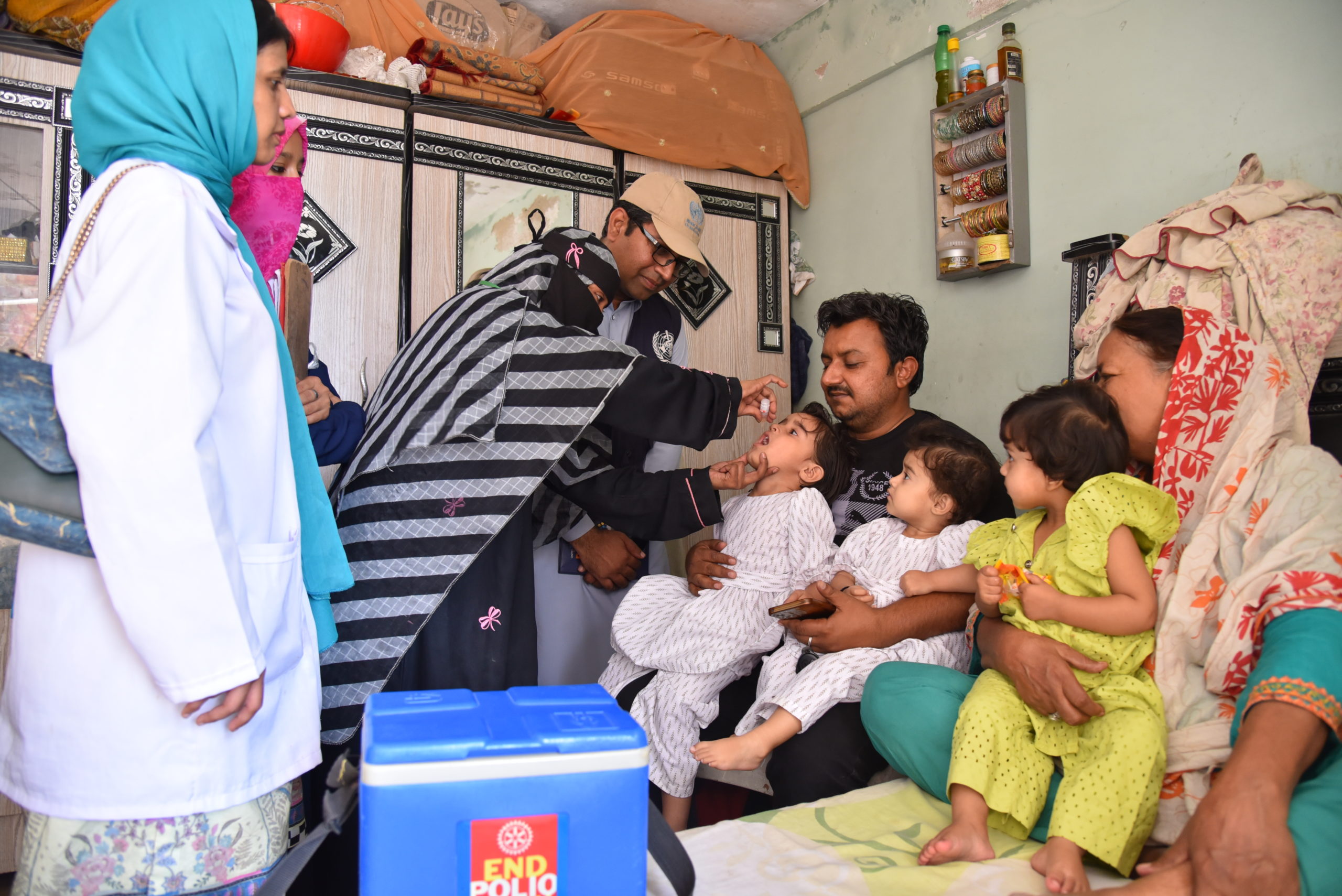
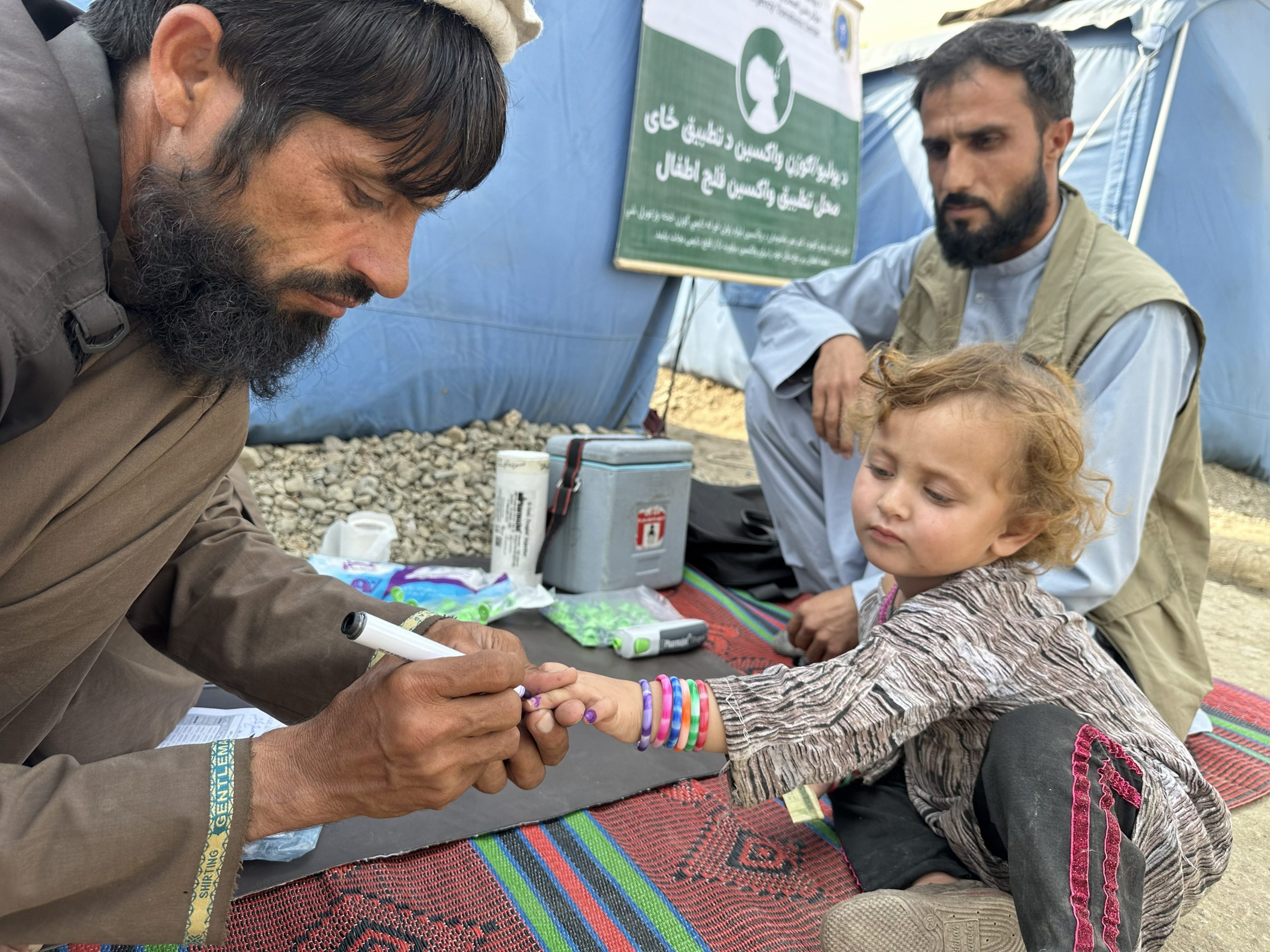
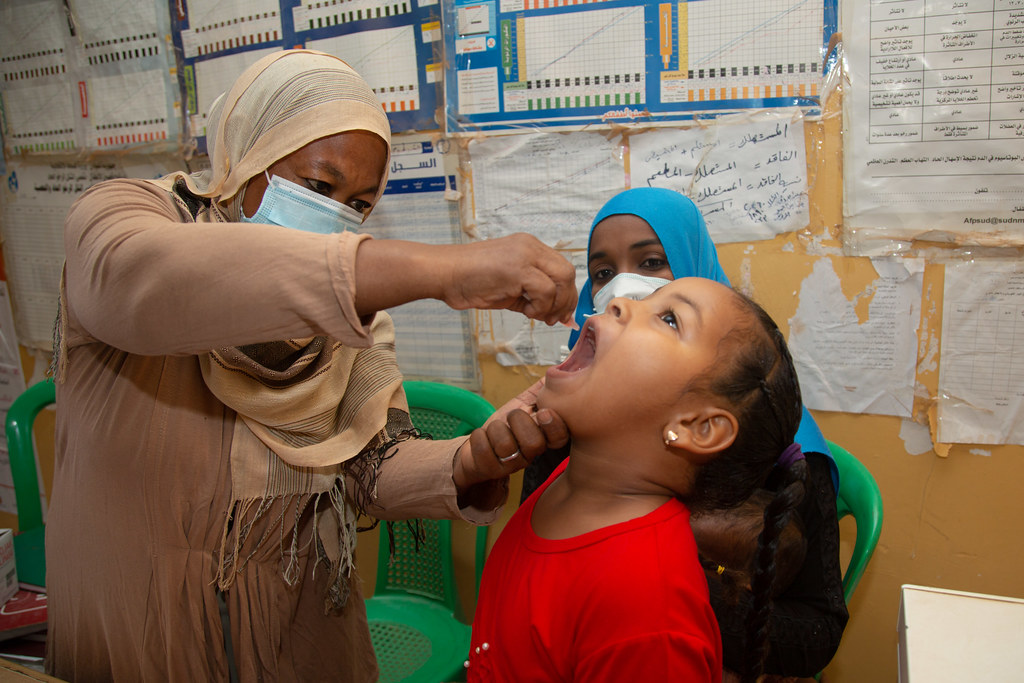
Afghanistan and Pakistan remain the only two countries in which wild poliovirus is endemic, with transmission concentrated in high-risk areas, particularly southern Afghanistan and southern Khyber Pakhtunkhwa in Pakistan. Circulating variant poliovirus also continues to pose a threat in parts of the Region, including in Somalia, Sudan and Yemen.
This is the backdrop against which Member States reaffirmed their shared commitment to ending polio, recognizing that progress depends on sustained political commitment, stronger surveillance, high-quality vaccination campaigns and efforts to reach children in the most challenging settings. Countries – including Kuwait, Oman, Qatar, Saudi Arabia and the United Arab Emirates – continue to play important roles through political leadership, technical cooperation and financial support, reinforcing the Region’s collective commitment to ending polio.
Highlighting the importance of collective action, Saudi Arabia emphasized the need for stronger regional coordination and integrated approaches to vaccination.
“Saudi Arabia commends the focus on transboundary coordination to include mobile populations, as well as the inclusion of vaccination activities within a larger system of health services, in addition to monitoring and surveillance activities and the empowerment of women in the workforce, particularly in the areas that are most affected by the virus,” said Dr Kamal Althobaiti from the Saudi delegation.
Qatar also reaffirmed its commitment to supporting polio eradication, particularly in fragile and crisis-affected settings.
“Building on its firm commitment to global health security, the State of Qatar will continue to support regional and international efforts to eradicate polio and strengthen effective partnerships that help protect children and ensure that lifesaving vaccines reach all target populations, particularly in fragile and crisis-affected settings,” said Dr Ghanim Ali Al Manna from the Qatar delegation.
Pakistan, one of the two countries where wild poliovirus remains endemic, reiterated its determination to interrupt transmission.
“Eradicating polio is a national priority for the Government of Pakistan. The Prime Minister is personally overseeing the efforts, ensuring government ownership and accountability from the federal to the district level. Pakistan thanks WHO and Global Polio Eradication Initiative partners for their longstanding support, solidarity and cooperation, as well as Member States, Saudi Arabia, United Arab Emirates and Qatar for providing critical financial support, facilitation and advocacy. Together, we can and we will end polio,” said H.E. Aamir Shouket from the Pakistan delegation.
Strengthening essential health services while advancing polio eradication in Afghanistan
Regional partnership was at the centre of discussions on Afghanistan’s Polio Legacy Challenge (PLC), an initiative supporting efforts to strengthen access to essential health services while advancing polio eradication.
PLC’s Executive Sponsors, including health ministers or their representatives from Qatar, Saudi Arabia and the United Arab Emirates, met on the sidelines of RC73 to review progress and discuss the future of the initiative.
The discussions highlighted the importance of sustained regional engagement in supporting Afghanistan’s health system and helping more families access essential health services closer to home.
Strengthening country leadership in immunization
RC73 provided an opportunity to advance discussions on stronger, more sustainable immunization programmes across the Region.
At a dialogue jointly organized by WHO and Gavi, the Vaccine Alliance, health leaders explored how ongoing global health reforms can support greater health sovereignty and translate into stronger, country-led immunization programmes.
Ministers shared first-hand experience of implementing Gavi’s new, simplified operating model, including what is working and where challenges remain. They also discussed country-led efforts to reach zero-dose children and displaced populations, and priorities for strengthening delivery in fragile and humanitarian settings.
Polio eradication: a shared journey
RC73 delegates had the opportunity to explore the Museum of a Polio-Free World, an exhibition outlining the past, present and future of polio eradication efforts.
Drawing on images and artefacts, the exhibition highlights the extraordinary contributions of frontline health workers, communities, scientists, governments and partners, while recognizing the challenges that remain.
Together, the discussions and engagements at RC73 reinforced a common message: ending polio and protecting every child from vaccine-preventable diseases will require sustained political leadership, strong partnerships and continued investment in immunization.
The commitments made across the Region must now be translated into action – reaching children who have been missed, sustaining progress and building stronger health systems for the future.