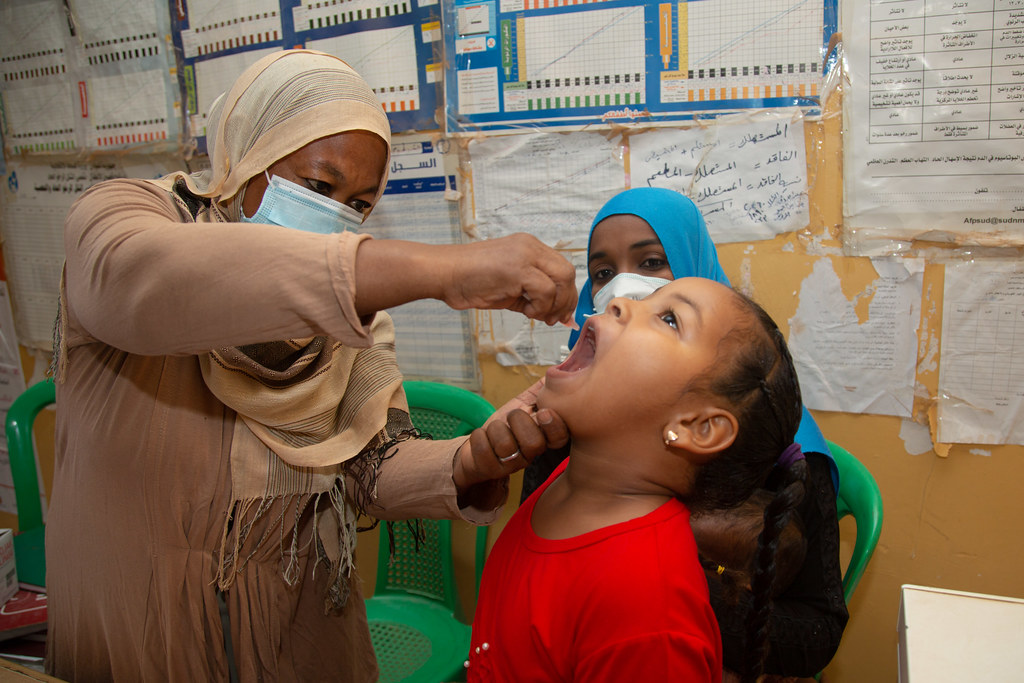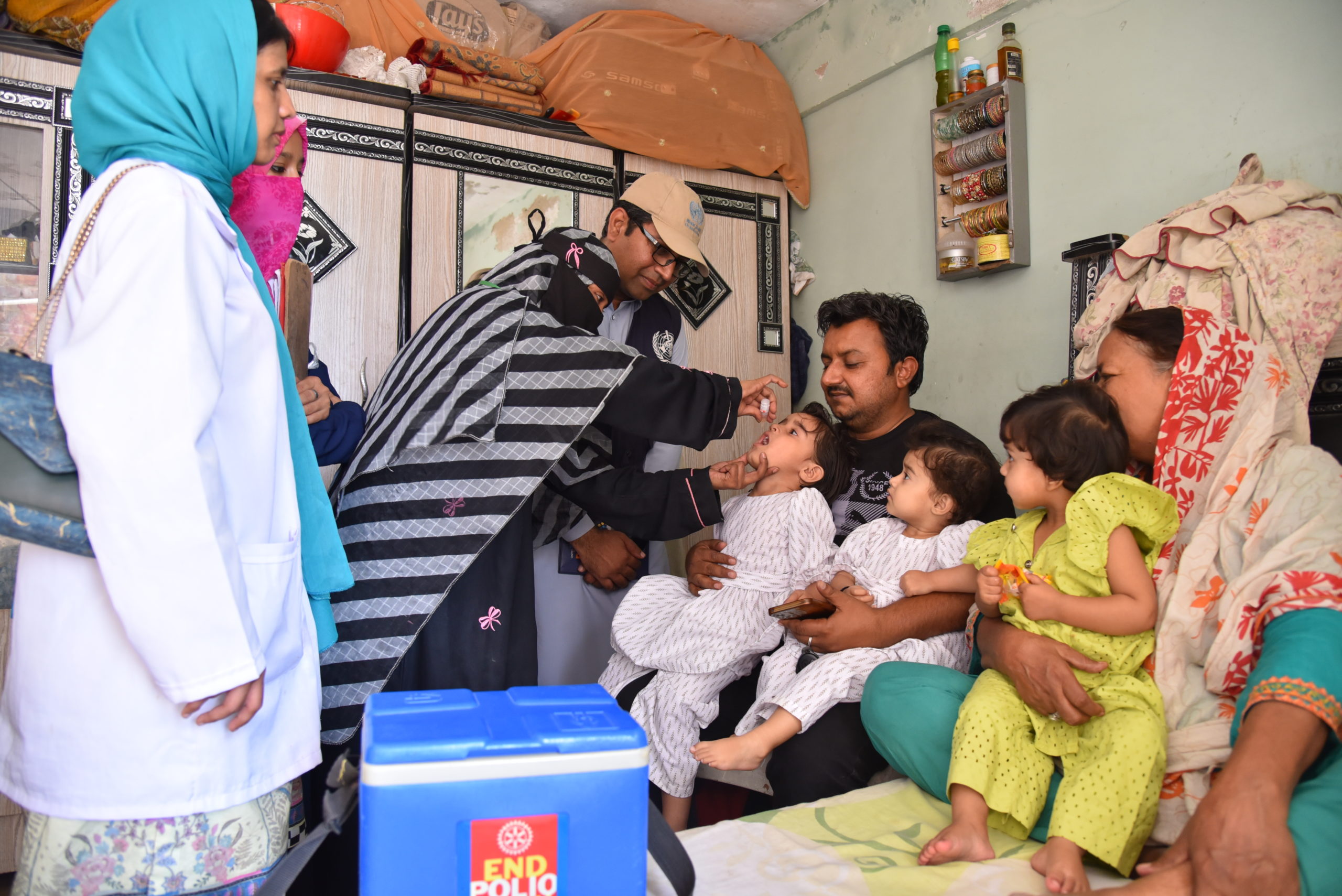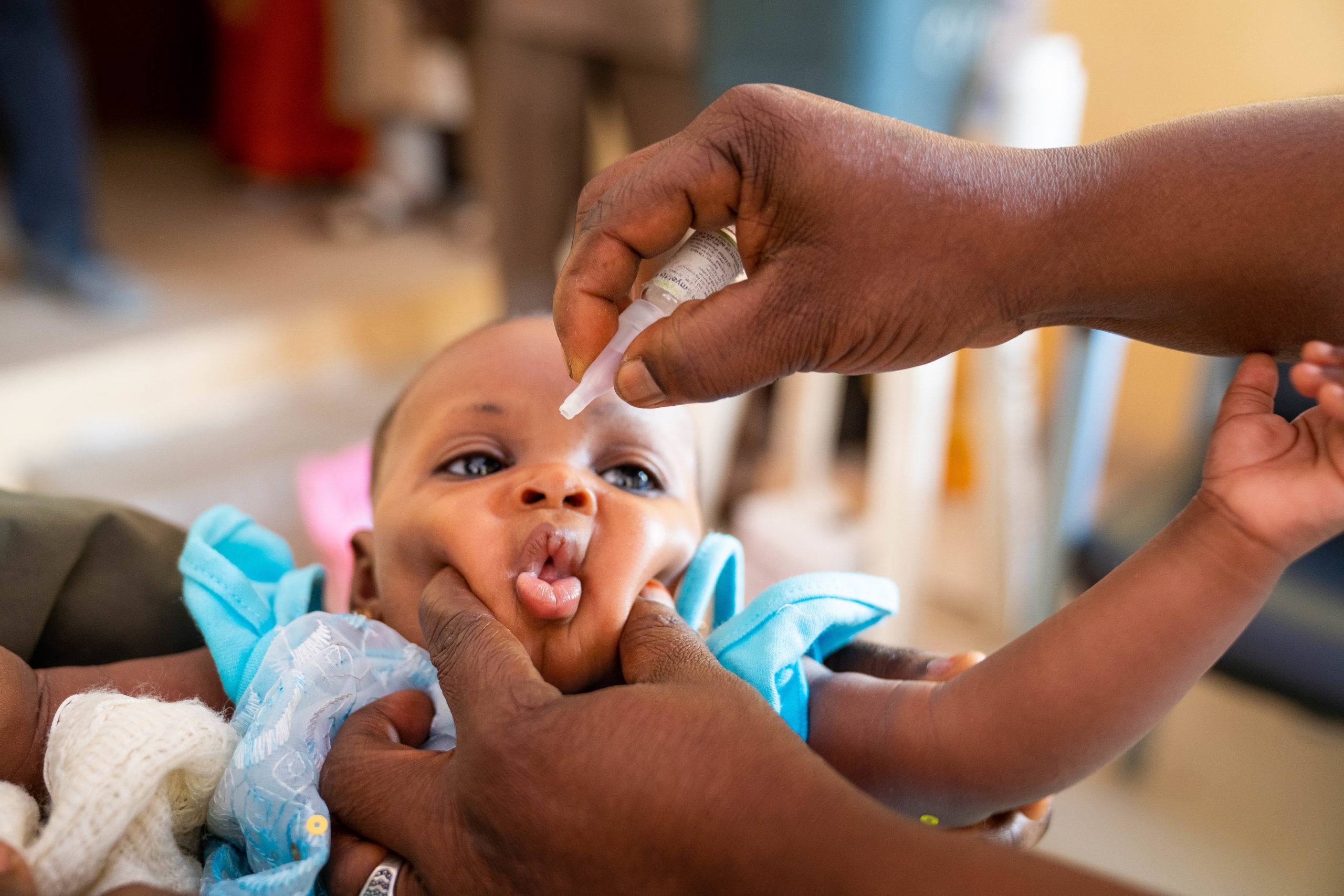
Brazzaville – Following rigorous technical assessments, five African countries have successfully stopped the spread of polio, marking an important milestone in efforts to protect children from this virus and advance towards eradication.
Teams from the Independent Outbreak Response Assessment (OBRA) conducted separate assessments between January and June 2026, reviewing disease surveillance, laboratory and epidemiological data. They concluded that transmission has been interrupted in Burundi, Ghana, Guinea-Bissau, Republic of Congo, and Uganda. Based on these findings, the WHO Regional Office for Africa confirmed the closure of these poliovirus type 2 outbreaks.
“These outbreak closures demonstrate what can be achieved through strong national leadership, dedicated health workers and close collaboration between governments, communities and partners,” said Dr Mohamed Janabi, WHO Regional Director for Africa. “While this is an important milestone, it is not the end of the journey. Continued vigilance, strong surveillance and high immunization coverage remain essential to protect children and prevent future outbreaks.”
The closures reflect years of sustained government leadership across the five countries and the dedication of health workers, communities and partners. Assessments of outbreak response quality, population immunity, disease surveillance performance and vaccination campaigns confirmed the successful interruption of transmission. However, these achievements must not lead to complacency: the risk of poliovirus reimportation remains, as demonstrated by the recent detection in Madagascar following its previous outbreak closure, underscoring the need to sustain high-quality surveillance and strong population immunity.
Importantly, despite their different contexts, all five countries demonstrated that rapid detection, strong government leadership, sustained disease surveillance, community engagement, and quality immunization efforts are critical to interrupting poliovirus transmission.
In the Republic of the Congo, authorities strengthened surveillance and implemented multiple high-quality vaccination campaigns to rapidly interrupt transmission following virus detections. Their last detection was reported in December 2023, with subsequent efforts focused on maintaining disease surveillance sensitivity and closing immunity gaps in high-risk areas.
In Burundi, where a circulating poliovirus type 2 outbreak was declared in March 2023, health authorities quickly intensified routine vaccination and surveillance efforts, supported by the Global Polio Eradication Initiative (GPEI). Targeted vaccination campaigns, strengthened epidemiological investigations, and expanded environmental surveillance helped interrupt transmission and protect children from polio.
In Uganda, health authorities intensified disease surveillance and outbreak response activities following the detection of poliovirus in May 2024, while maintaining strong coordination across national and subnational levels. In Ghana, laboratory investments complemented high-quality disease surveillance and rapid outbreak response activities, further strengthening the country’s capacity to detect and respond to poliovirus. Earlier this year, both countries upgraded their lab capacity, further strengthening their ability to detect and respond rapidly to poliovirus and other vaccine-preventable diseases.
In Guinea-Bissau, health authorities and partners have focused on reaching underserved populations through targeted vaccination campaigns and enhanced disease surveillance, helping to strengthen population immunity and sustain progress towards interrupting transmission. This sustained effort has paid off, with the country reporting no poliovirus detections since July 2021.
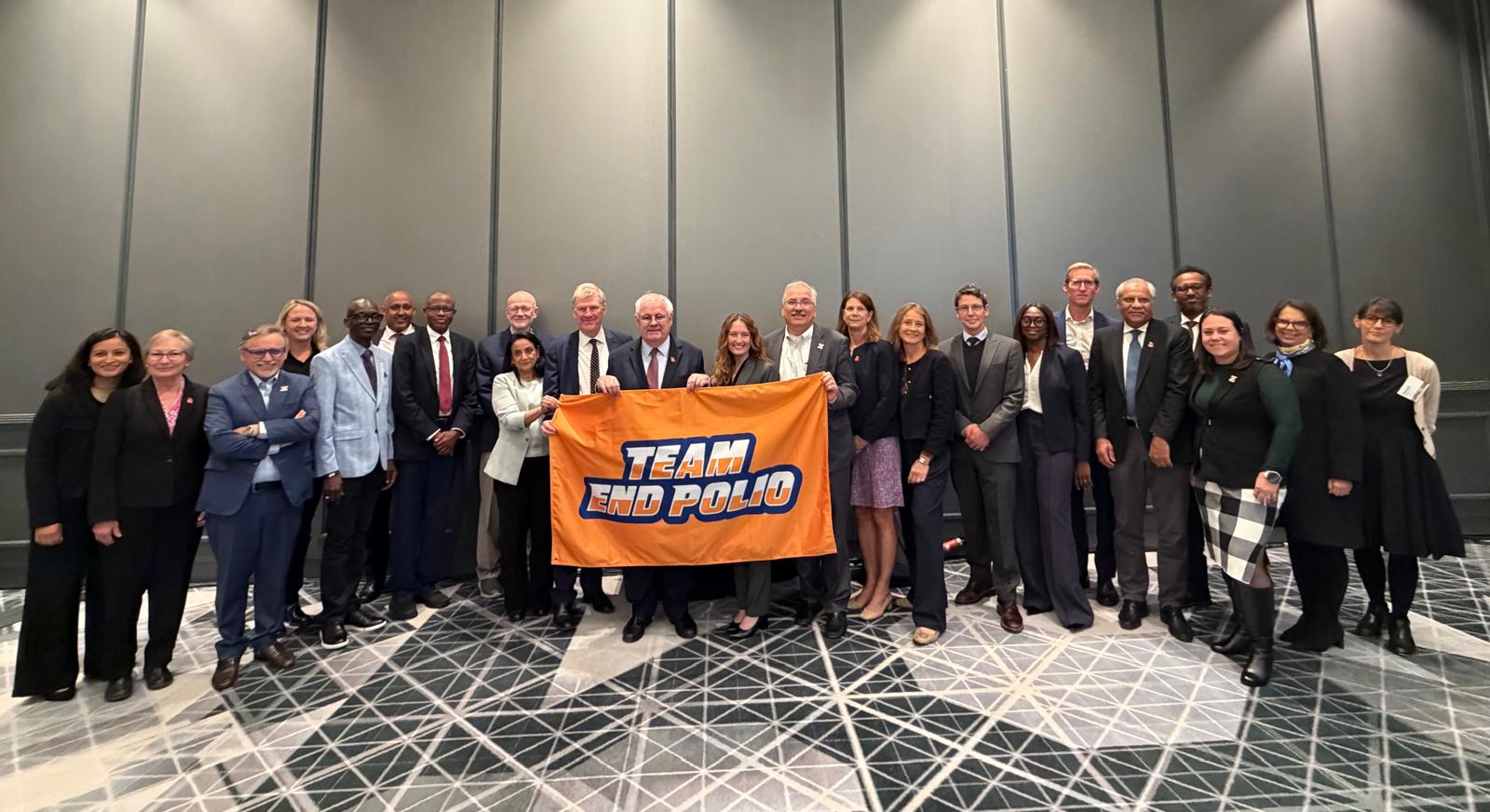
“Every outbreak closed means more children protected from a disease that can cause lifelong paralysis,” said Mike McGovern, Chair of the GPEI Polio Oversight Board and Rotary International’s International PolioPlus Committee. “Rotary is proud to stand alongside governments and health workers across Africa as we continue the effort to end polio once and for all.”
As part of broader regional efforts, countries have strengthened acute flaccid paralysis and environmental surveillance systems, improved laboratory capacity, reinforced engagement with communities to build trust in vaccines, and implemented targeted vaccination campaigns aimed at reaching every child, including those living in hard-to-reach and border areas. In 2025, the Region also accelerated investments in modernizing its polio laboratory network, enhancing diagnostic capacity and reducing turnaround times for poliovirus detection, enabling faster outbreak response and more informed public health action. At the same time, the expanded use of the AFRO Geographic Information Systems (GIS) and geospatial technologies has helped countries identify missed settlements, map population movements, improve microplanning and ensure that vaccination teams reach every last child.
Recognizing these achievements, UNICEF Regional Directors Etleva Kadilli for Eastern and Southern Africa and Gilles Fagninou for West and Central Africa said: “These milestones belong first and foremost to the governments, communities and frontline health workers who have worked tirelessly to protect children from polio. Their dedication shows that progress is possible, even in the most challenging settings. While outbreak closures are an important milestone, they are not the end of the work. We must keep our focus on strengthening routine immunization and reaching every child with lifesaving interventions, so that this progress is sustained.”
“This is a positive development not only for the fight against polio but also for the overall effort to save lives through stronger health and immunization systems,” said Thabani Maphosa, Gavi’s Chief Country Delivery Officer. “The investments countries have made in reaching missed children, community engagement, strengthened surveillance, mapping, and outbreak response will have impact far beyond these polio outbreaks. They strengthen our ability to ensure that every child remains safe from polio and other vaccine-preventable diseases, and to protect communities against infectious disease outbreaks.”
Health experts, the OBRA team and GPEI coordinators on the ground emphasized the importance of a comprehensive approach, combining enhanced surveillance, high-quality community engagement, effective vaccination campaigns and rapid outbreak response to effectively end polio outbreaks. In this regard, countries acknowledged the critical contributions of Canada, the European Investment Bank, Gates Foundation, Germany, and UAE to the five countries, in addition to all donors to GPEI for their sustained and generous support to polio eradication efforts in the region.
The outbreak closures underscore the effectiveness of coordinated outbreak response efforts and reinforce the Region’s commitment to achieving a future free of all forms of poliovirus.
Note to editors
Polio is a highly infectious disease that can cause irreversible paralysis. There is no cure, but it can be prevented through safe and effective vaccination.
Outbreak closure is a country-specific technical determination based on evidence demonstrating that transmission associated with a particular outbreak has been interrupted.
The closure process includes an independent review conducted by an Outbreak Response Assessment (OBRA) team, followed by a technical review and decision by the WHO Regional Office for Africa.
Outbreak closure does not eliminate the risk of future detections or importations. Continued surveillance, vaccination and preparedness remain essential to sustain gains and prevent new outbreaks.
The Global Polio Eradication Initiative is a public-private partnership led by national governments with six partners – the World Health Organization (WHO), Rotary International, the US Centers for Disease Control and Prevention (CDC), the United Nations Children’s Fund (UNICEF), Gates Foundation and Gavi, the vaccine alliance. Its goal is to eradicate polio worldwide.