Originally published in Pharmazeutische Zeitung, August 2026.

At first glance, the latest figures from the World Health Organization (WHO) and UNICEF are encouraging. In 2025, more children worldwide were vaccinated than in the previous year. At the same time, however, the data also show how quickly progress can begin to unravel.
In Germany, approximately 21,000 children have not received their first vaccination against diphtheria, tetanus, and pertussis. Compared with the country’s overall high vaccination coverage, this may seem like a small number. Nevertheless, it is one that should concern us.
Germany does not have a fundamental vaccination problem. But that is precisely where the challenge lies. Vaccination programmes have been so successful that many people have never experienced the diseases they protect against. Illnesses that were once part of everyday life are now known to many only through stories or textbooks.
Most young parents have never seen a child develop polio. They have never witnessed how quickly diphtheria can become life-threatening or the serious complications that measles can cause. The fact that they have been spared these experiences is one of the greatest achievements of modern medicine.
That success, however, has a downside. The rarer these diseases become, the easier it is to forget why vaccination is so important in the first place. As the immediate threat fades from public consciousness, so too can awareness of the need for protection. This is precisely why ongoing public education remains essential.
In Germany, all childhood vaccinations recommended by the Standing Committee on Vaccination (STIKO) are available free of charge. The key, therefore, is ensuring that parents have access to reliable information and that any concerns or questions are addressed early.
Polio is perhaps the best example. Germany has been free of endemic transmission of the virus for decades. But that does not mean poliovirus has disappeared. It continues to circulate in parts of the world and has been detected repeatedly in wastewater in several European countries in recent years, including Germany.
The fact that these detections have not led to outbreaks is no coincidence. It demonstrates how well vaccines work. High levels of immunity in the population, combined with robust surveillance, prevent the virus from regaining a foothold.
That is exactly why we must not allow high vaccination rates to create a false sense of security. They are not guaranteed to continue on their own. Every generation must be reminded why vaccines matter. Every immunity gap increases the risk that diseases we believed had been consigned to history will return.
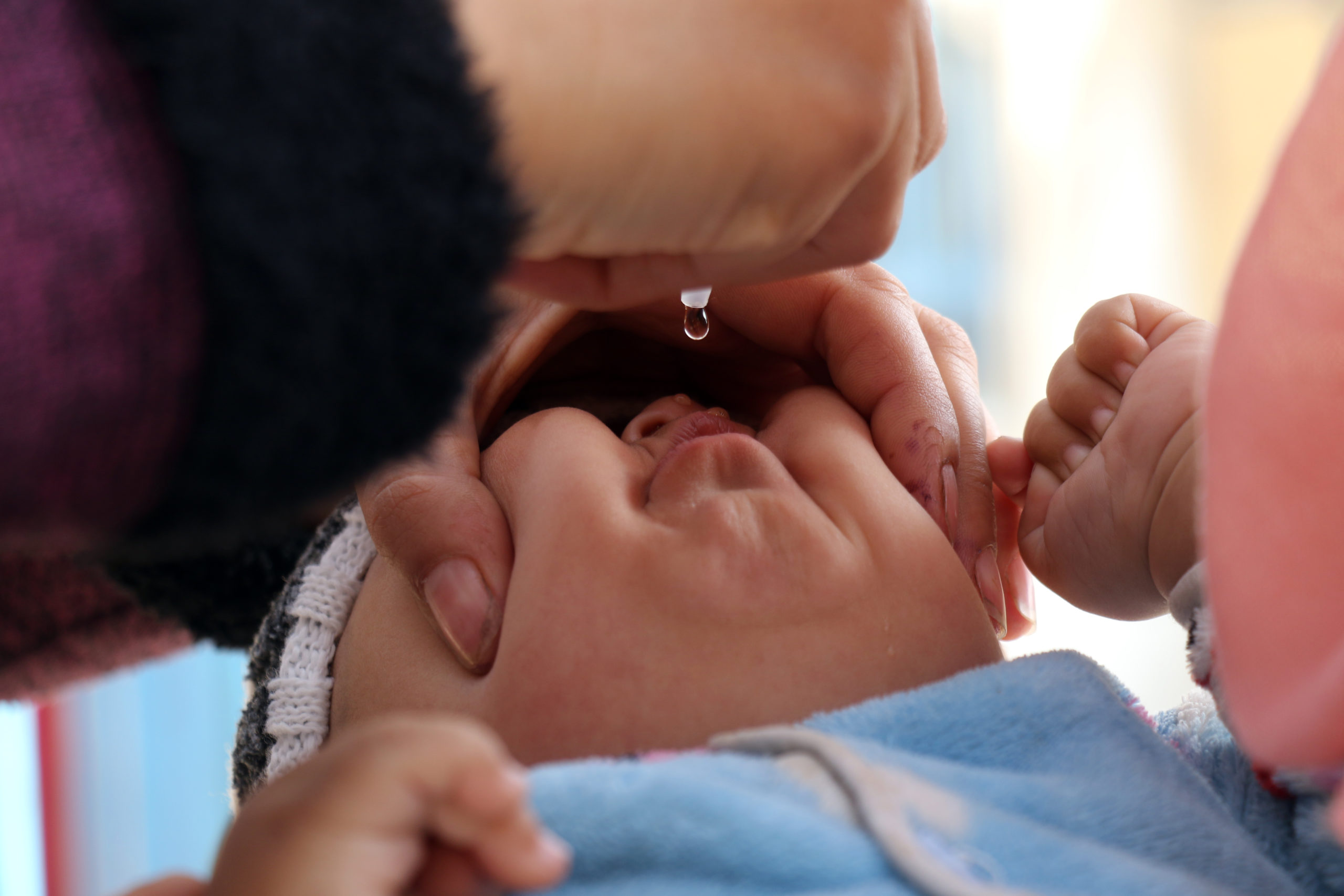
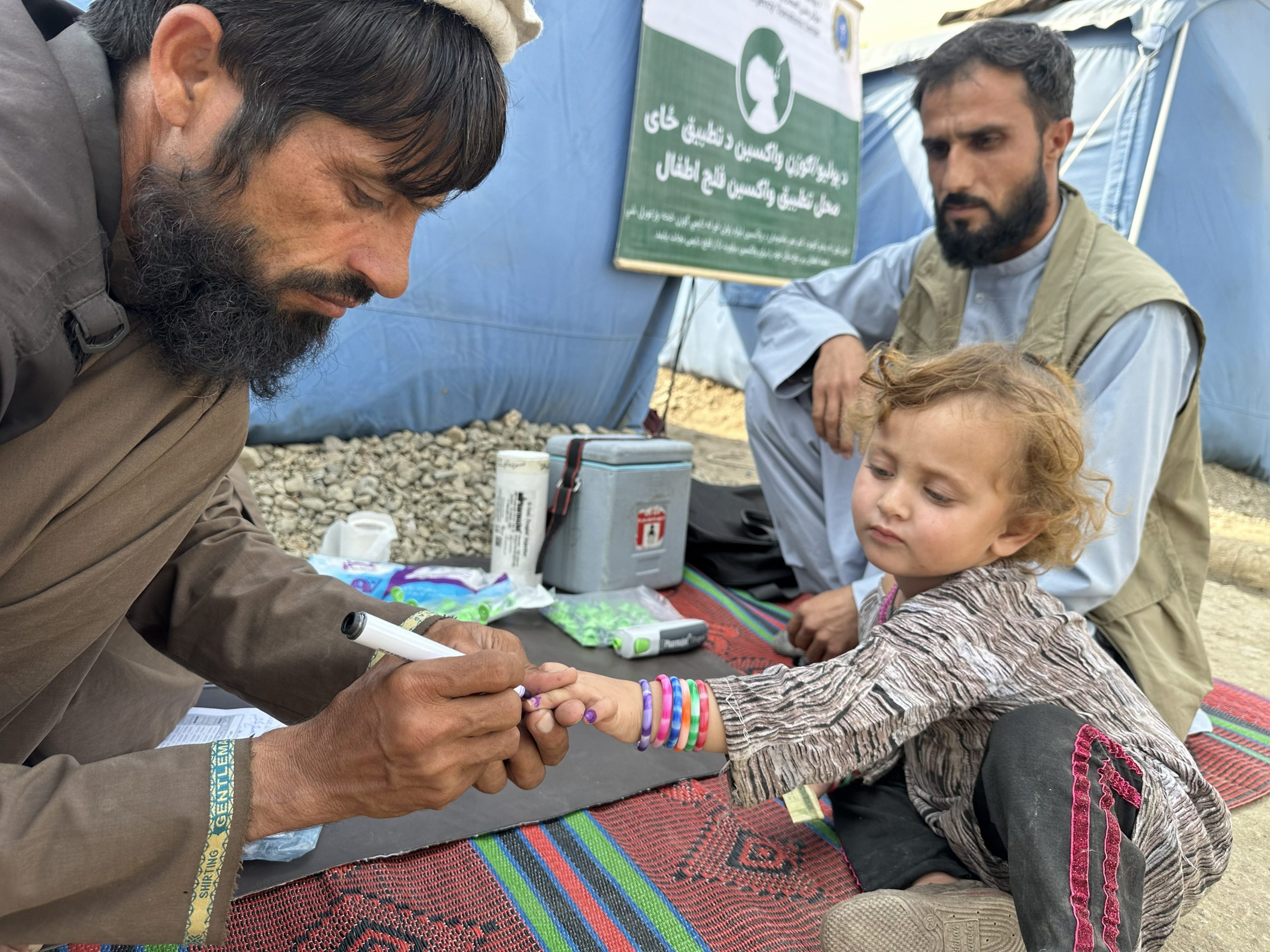
For nearly 40 years, the Global Polio Eradication Initiative has pursued the ambitious goal of eradicating polio worldwide. Rotary International is one of its founding partners and works alongside the World Health Organization (WHO), UNICEF, and other organizations to ensure that no child ever suffers from polio again. Together, these efforts have already saved more than 1.5 million lives and prevented an estimated 20 million cases of permanent paralysis. Today, the virus remains endemic in only a handful of areas.
We are closer to achieving this goal than ever before. That is precisely why now is the wrong time to lose momentum. As long as the virus continues to circulate anywhere in the world, our work is not finished.
The 21,000 unvaccinated children in Germany therefore represent far more than a statistic. They remind us that the success of vaccination programmes can never be taken for granted. It must be protected and renewed continuously through public education, trust, and the willingness to vaccinate – even when the diseases themselves have long disappeared from everyday life.
Dr. Frank Intert is a pharmacist and Rotary International’s End Polio Now Coordinator for Germany, Switzerland, and Liechtenstein. His professional expertise focuses on hospital pharmacy and infectious diseases.