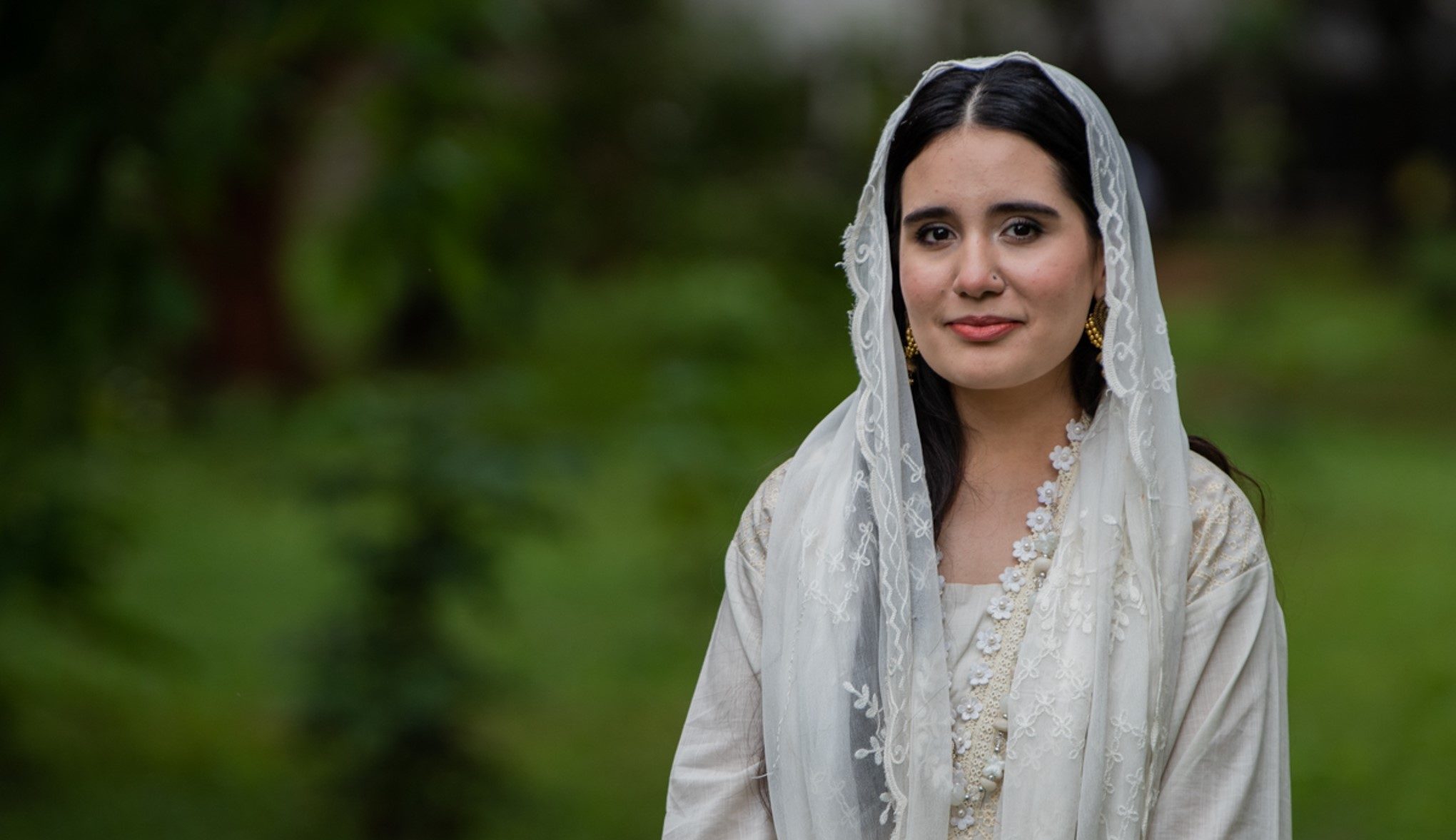
- Full biography: Alishba Khan Barech
- Follow Alishba Khan: @AlishbaKBarech
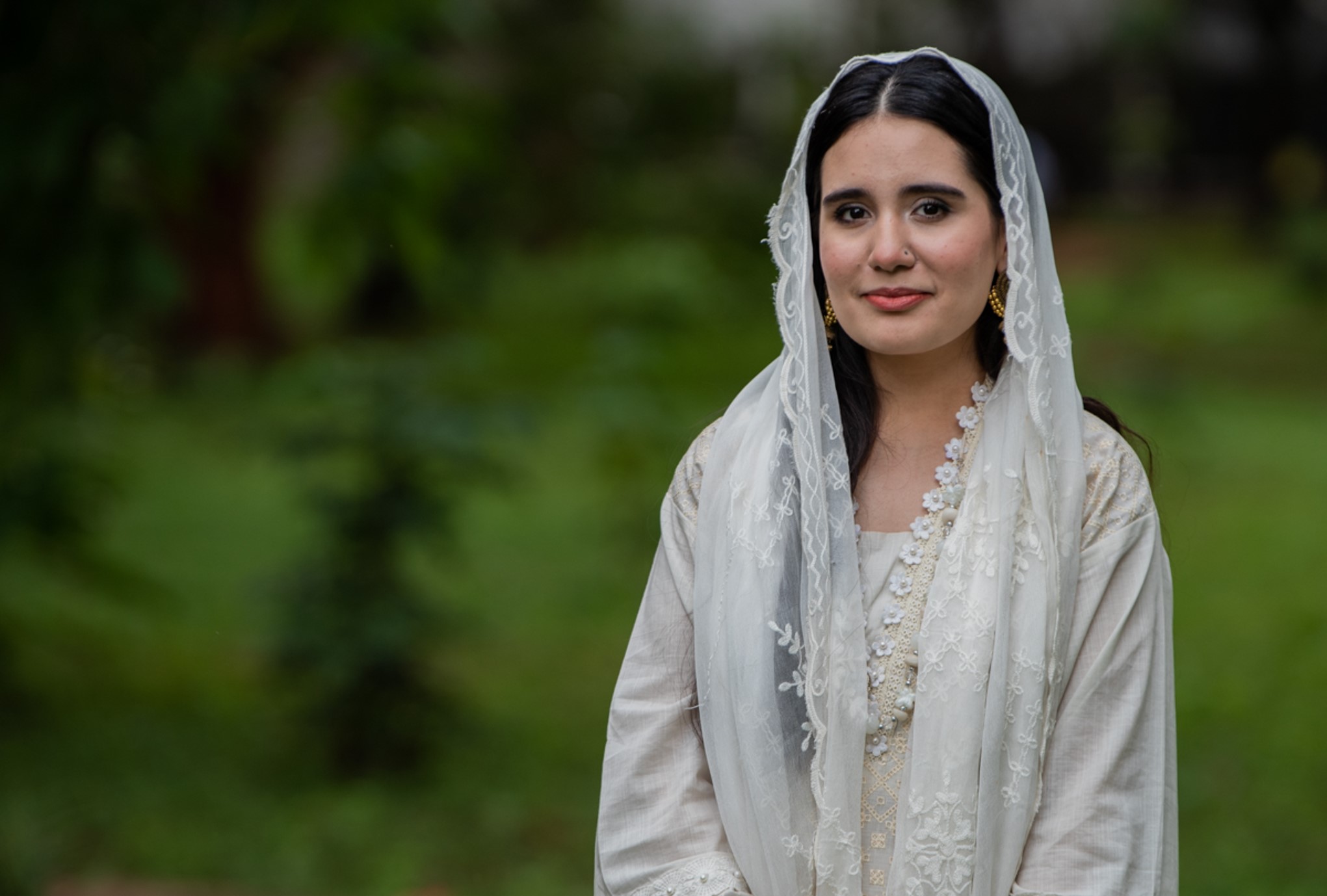
GPEI Q1: Your commitment to polio eradication began with an encounter you had as an eight-year-old girl in Quetta. How did that moment shape you, and why does it continue to make this cause so personal?
Whenever someone asks why I became a polio advocate, I return to a defining moment in my life when I was eight years old in Quetta. That was when I first saw a girl named Gulalai, who was around my age. In many ways, we were simply two eight-year-old girls. But there was one life-changing difference: I could walk, run and play, while Gulalai could not because polio had left her paralyzed.
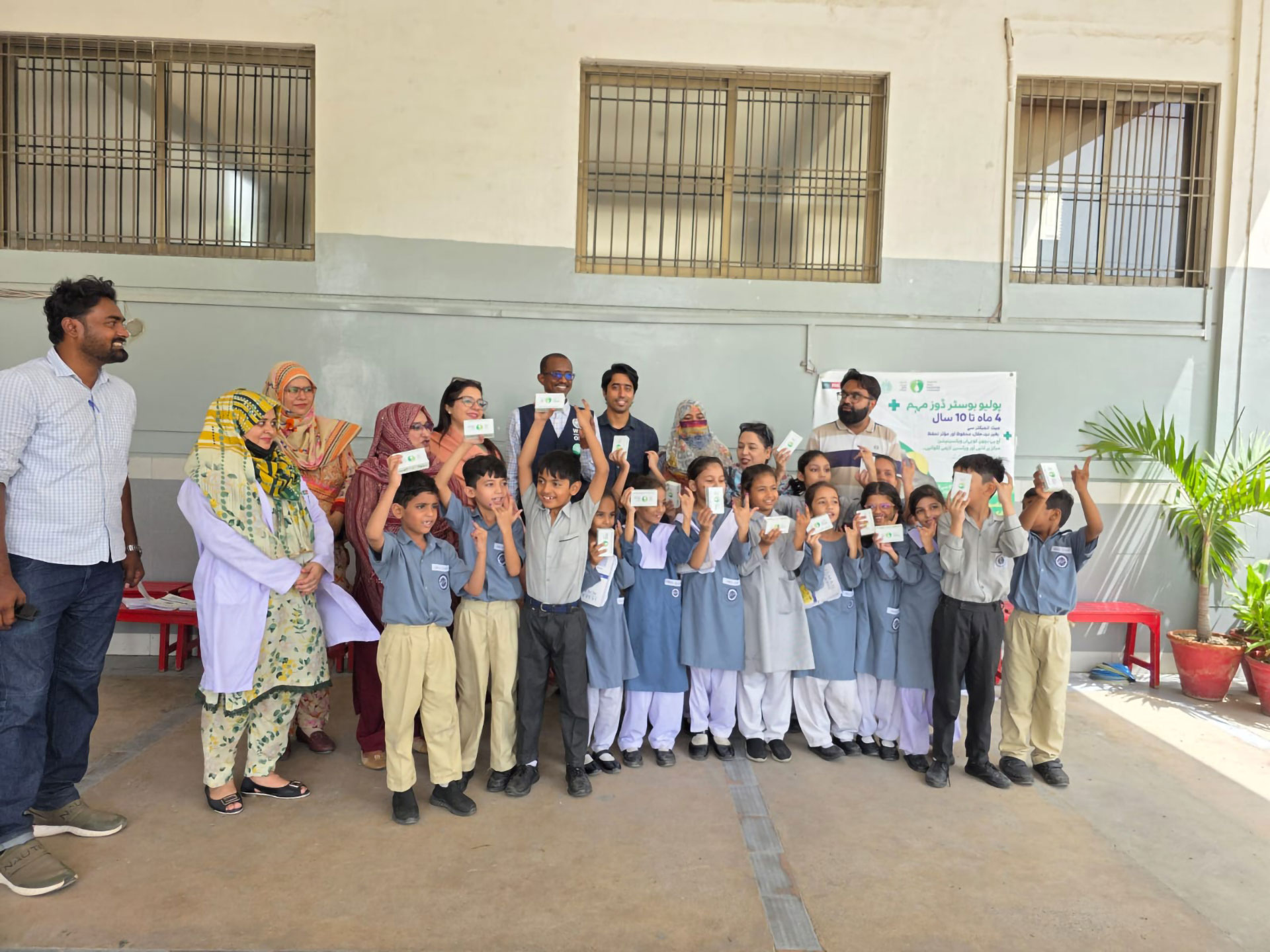
I was a very curious child, and I wanted to understand why this had happened. I learned that there is no cure once polio causes paralysis, but there is a safe and effective vaccine that can prevent the disease. Just two drops of polio vaccine, provided free of charge, can protect a child from a lifetime of disability. I kept asking myself: if prevention is possible, why had it come too late for Gulalai – and why were children in Pakistan still being paralyzed?
Gulalai came from Killa Abdullah, one of the most underserved districts in Balochistan. For a child already facing poverty and limited access to education and health services, polio can close even more doors – affecting mobility, independence and future opportunities. As someone from Pakistan who also shares heritage with Afghanistan, the world’s two polio endemic countries, I also feel deeply that the continued transmission of polio on both sides of the border is a shared challenge and a shared responsibility.
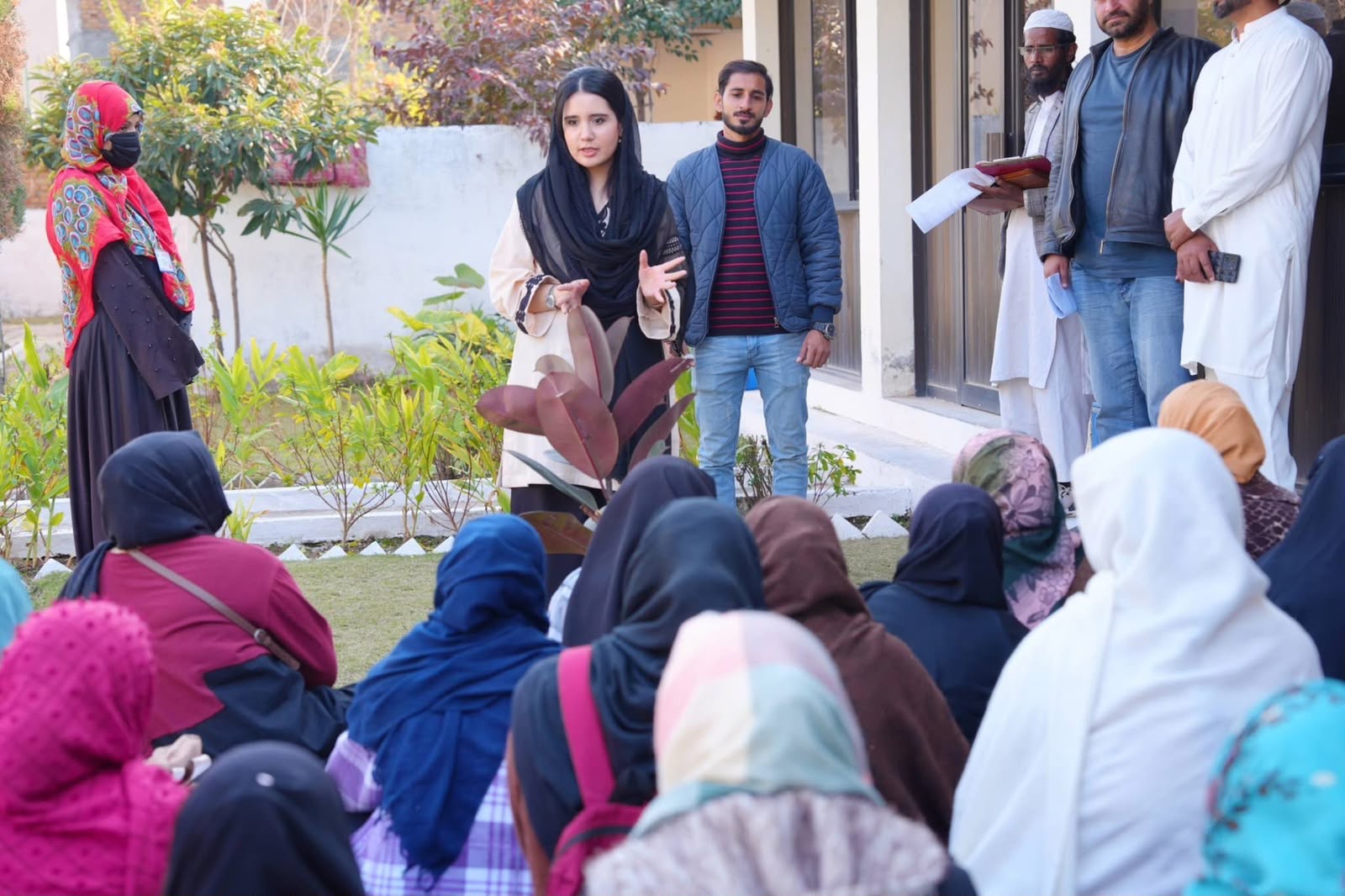
That question became the beginning of my advocacy journey. As a teenage writer, I wrote an open letter to parents, addressing misconceptions about the vaccine and encouraging families to protect their children. I later joined UNICEF-supported polio eradication awareness activities, spoke with communities and recorded messages for parents in areas where fear and misinformation remained strong.
My advocacy began locally in Quetta, then it grew across Balochistan and later nationally throughout Pakistan. It has now become part of my UNICEF Youth Health Advocate work globally. But at its heart, my polio advocacy is still about Gulalai and every child like her. Every child, no matter who they are or where they live in the world, deserves the opportunity to walk, run, play and thrive. No child should experience lifelong paralysis from a disease that we already know how to prevent.
GPEI Q2: Young people are often invited to participate in global discussions, but you have called for something more meaningful. What distinctive role can youth – and particularly Generation Z – play in finishing polio eradication?
Young people must be seen not simply as an audience or an amplifier for polio messages, but as true influential partners taking part in shaping and delivering messages and solutions.
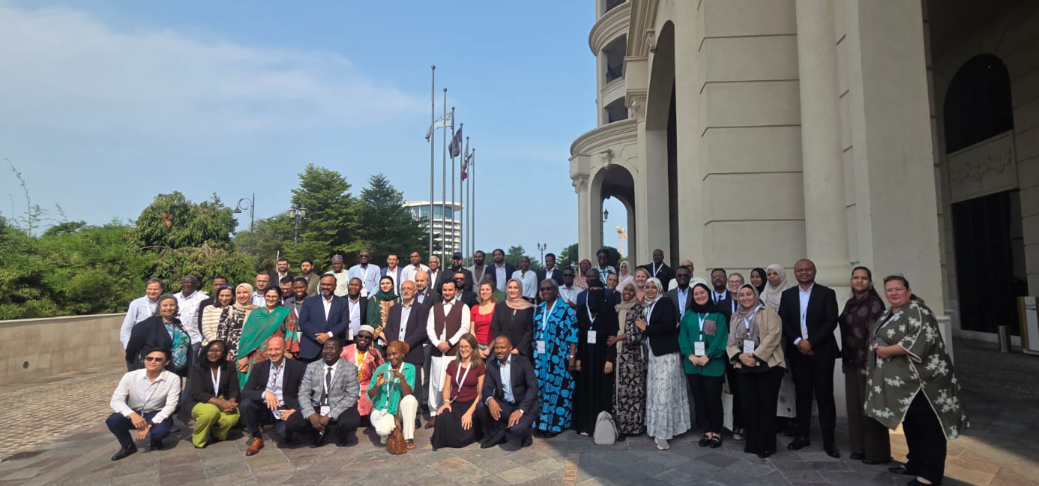
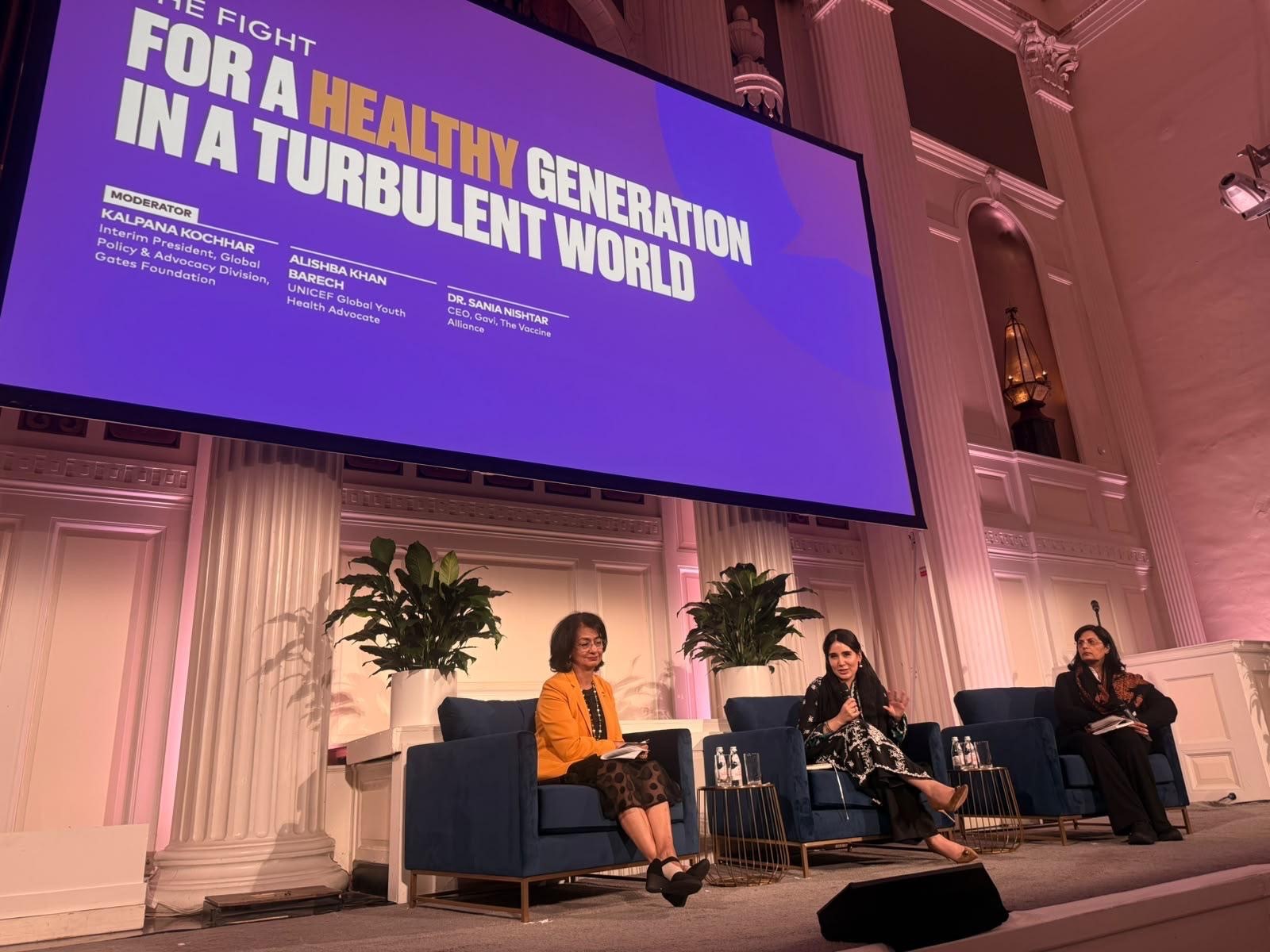
At the United Nations General Assembly GPEI Polio Event and at the Global Citizen NOW panel discussions that took place on 23 September 2026 in New York – and in other meetings during UNGA week – I participated in high-level conversations about polio eradication and child health. I was often the youngest person in the room. That experience taught me that proximity to power does not necessarily equal power. Inviting a young person to sit at the table is important, but meaningful participation begins when our perspectives influence the decisions being made.
Generation Z has particular strengths that can support polio eradication. We understand how information – and misinformation – moves through our communities and across digital platforms. We know how to communicate with our peers in language that feels relevant and credible. We can start conversations in our schools, universities, neighborhoods and online networks; we can listen to the concerns of families, challenge harmful myths, and explain why vaccination protects both individual children, families and entire communities.
Young people can also be trusted messengers within their own families. A conversation that begins between classmates or friends can reach parents, relatives and wider communities. But young advocates need more than encouragement: they need accurate information, practical tools, mentorship and genuine opportunities to lead.
Youth also bring a required sense of urgency to polio eradication. Pakistan and Afghanistan are the two countries where wild poliovirus remains endemic, and the decisions made today will shape the future we inherit. We are more than 99 per cent of the way towards eradication, but completing the final stretch requires all of us. Afterall, polio anywhere is a threat to children everywhere. So, until every child is protected, the risk remains.
My message to global leaders is simple: do not invite young people only to hear our stories. Trust us with responsibility. Support youth-led initiatives, include us in decision-making and act on the ideas we bring. Young people are not only the leaders of tomorrow – we are partners who can help finish this crucial job today.
GPEI Q3: You have spoken movingly about Pakistan’s frontline polio workers, many of whom are women. What have they taught you about what it will take to reach every last child?
Frontline health workers represent the courage, sacrifice and humanity at the center of polio eradication.
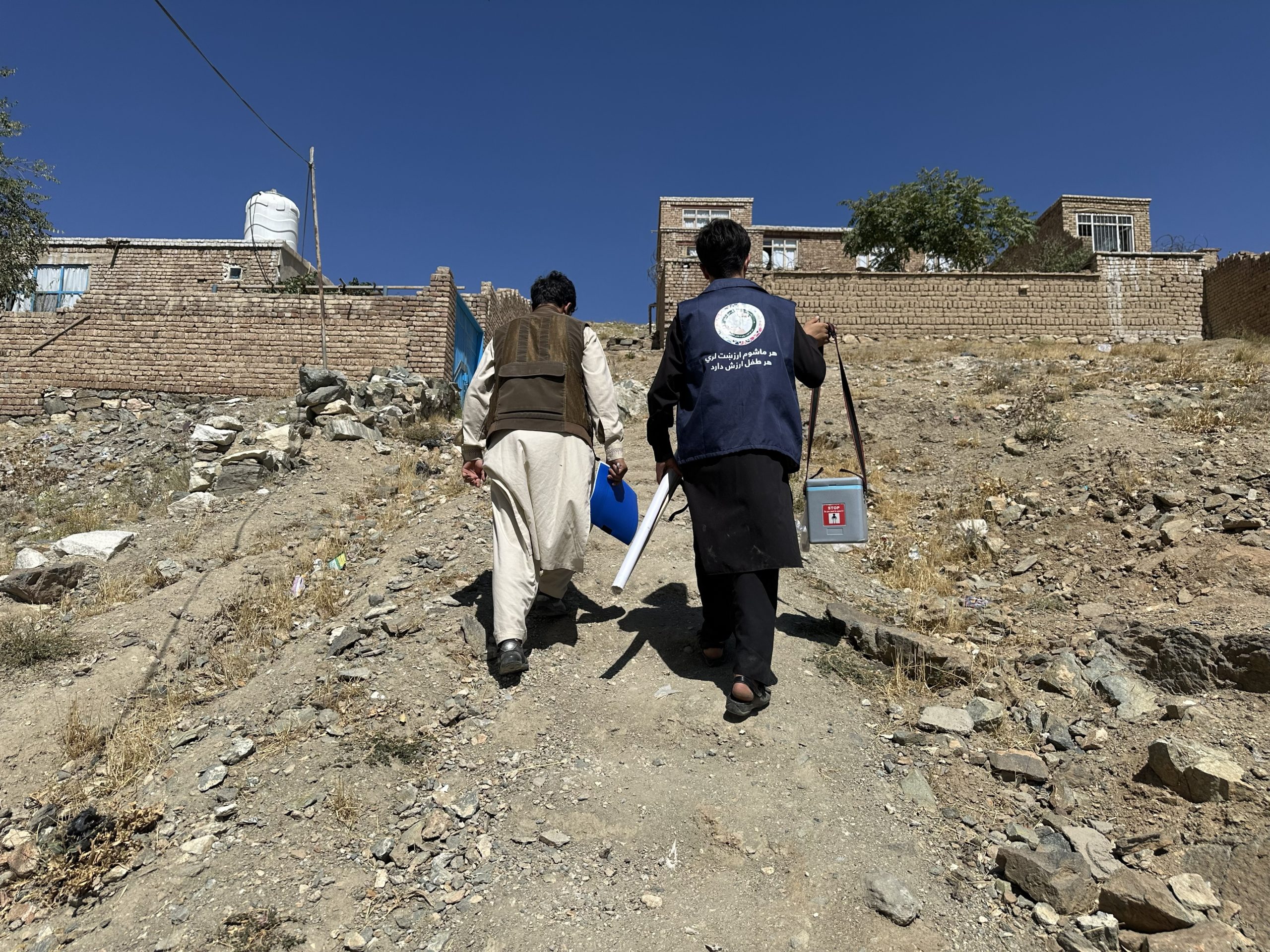
In Pakistan, many of these workers are women. They leave their own families each morning and travel through difficult terrain, extreme weather and, in some places, serious security threats to protect other people’s children. They knock on doors, listen patiently to parents, respond to fears and return again if a child has been missed. Some have faced harassment and violence, and others have lost their lives while serving their communities.
When I first heard frontline workers describe these experiences at a UNICEF, WHO and government workshop, their courage strengthened my own commitment to this cause. They helped me understand that polio eradication is not an abstract global ambition – it is a deeply human movement sustained by people who continue their work despite the risks. Behind every vaccinated child is often a health worker who walked a difficult road, crossed challenging terrain or spent time earning the trust of a hesitant family.
Their work has taught me that eradication is not achieved only through global strategies or high-level commitments. It is achieved door to door, household by household, through trust. Frontline workers often come from the communities they serve. They understand local languages, beliefs and concerns, and that makes them highly credible advocates for vaccination.
But they should not be expected to carry this responsibility alone. Governments and partners must provide them with the training, resources, protection, and recognition they deserve. Young people can support them by correcting misinformation, encouraging families to welcome vaccination teams and ensuring that the health workers’ stories are heard.
The final steps towards eradication may be the hardest, but our frontline health workers show us every day that reaching every child is possible. We owe it to them – and to children like Gulalai – to match their courage with sustained commitment. This is a big challenge, but we can achieve success by continued collaboration through the Global Polio Eradication Initiative partners who work closely with governments, communities, young people and frontline workers. Together, we can finally make polio history.