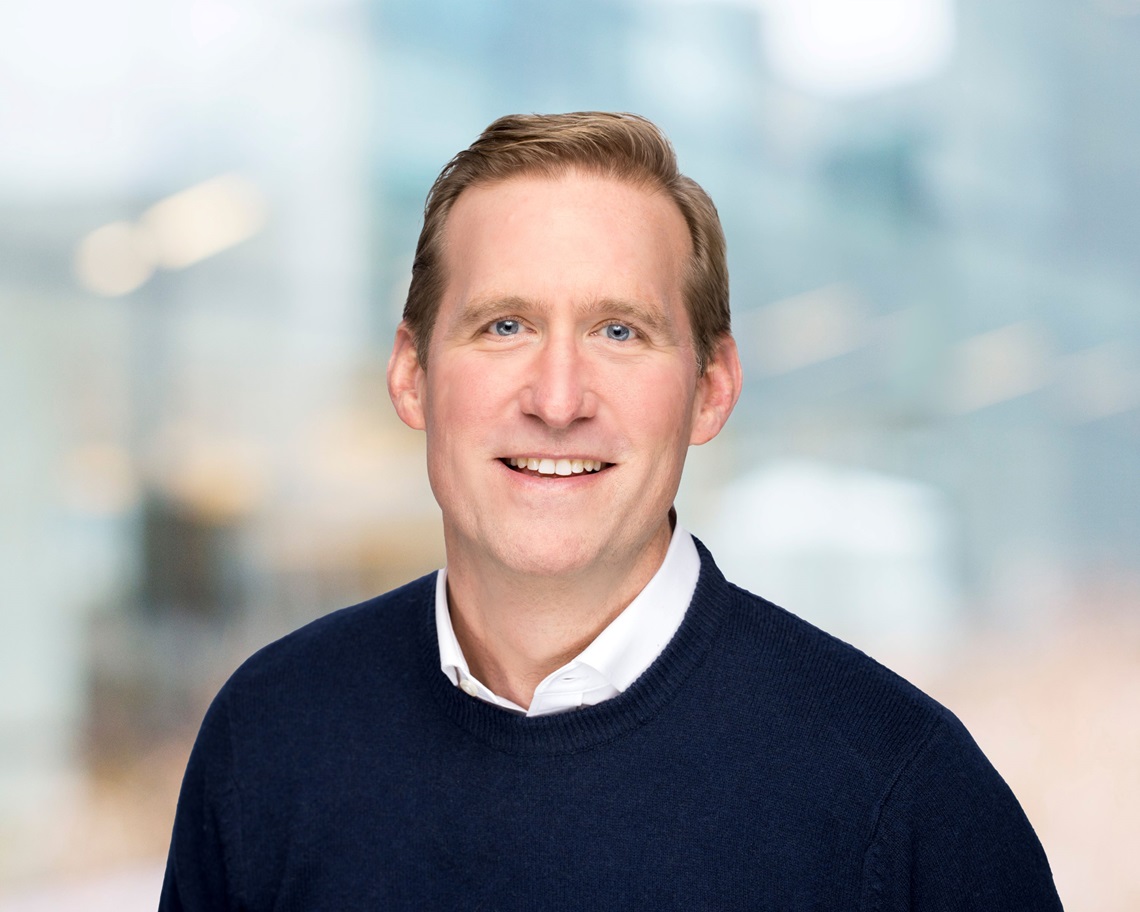
The Director-General of the World Health Organization (WHO) has appointed Mr Chris Wolff as Director of Polio Eradication at WHO, bringing one of the programme’s most experienced operational and strategic leaders back to the Organization at a pivotal moment for global eradication efforts. The WHO polio eradication director also serves as the Chair of the Strategy Committee for the Global Polio Eradication Initiative.
With more than two decades of experience across polio eradication, immunization and global health, Chris has helped shape some of the programme’s most significant achievements – from supporting India’s successful interruption of wild poliovirus transmission and leading WHO’s global polio outbreak response and surveillance teams, to most recently advancing routine immunization, innovation and health systems strengthening at the Gates Foundation.
“It is an enormous privilege to return to WHO and to serve this remarkable partnership at such an important moment,” said Chris Wolff. “Thanks to country leadership and continued innovation across the eradication effort, we know what it will take to end polio. Global success now depends on operational excellence and sustained political commitment to finish polio – and pivot to a sustainable polio-free world.”
Chris paid tribute to his predecessors, Mr Aidan O’Leary and Dr Jamal Ahmed, as well as interim Director Dr Arshad Quddus, whose leadership helped guide the programme through an exceptionally challenging period.
Announcing the appointment, WHO Director-General Dr Tedros Adhanom Ghebreyesus said: “Chris is the right person to take on the mantle of this extraordinary programme. With continued commitment, strategic vision and country-led approaches, we will take the final steps towards a polio-free world together.”
Looking ahead, Chris emphasized that the programme’s priorities remain clear: interrupting the remaining transmission of wild poliovirus in Afghanistan and Pakistan, stopping outbreaks of circulating variant polioviruses as rapidly as possible, and ensuring that eradication efforts increasingly reinforce national health systems, with a focus on routine immunization.
“Polio eradication and routine immunization are not competing priorities – they are mutually reinforcing,” he emphasized. “Every campaign should strengthen immunization systems, and stronger routine immunization makes eradication more sustainable. Working even more closely with countries, Gavi and immunization partners will be central to our success.”
He also highlighted the importance of adapting the programme to a rapidly changing global health landscape. “As the global health architecture evolves, the polio programme must continue to demonstrate its value – not only by achieving eradication, but by contributing to stronger surveillance, outbreak preparedness, immunization systems and health security. We also need to explore innovative and sustainable financing approaches that will help us complete eradication and protect a polio-free world for future generations.”
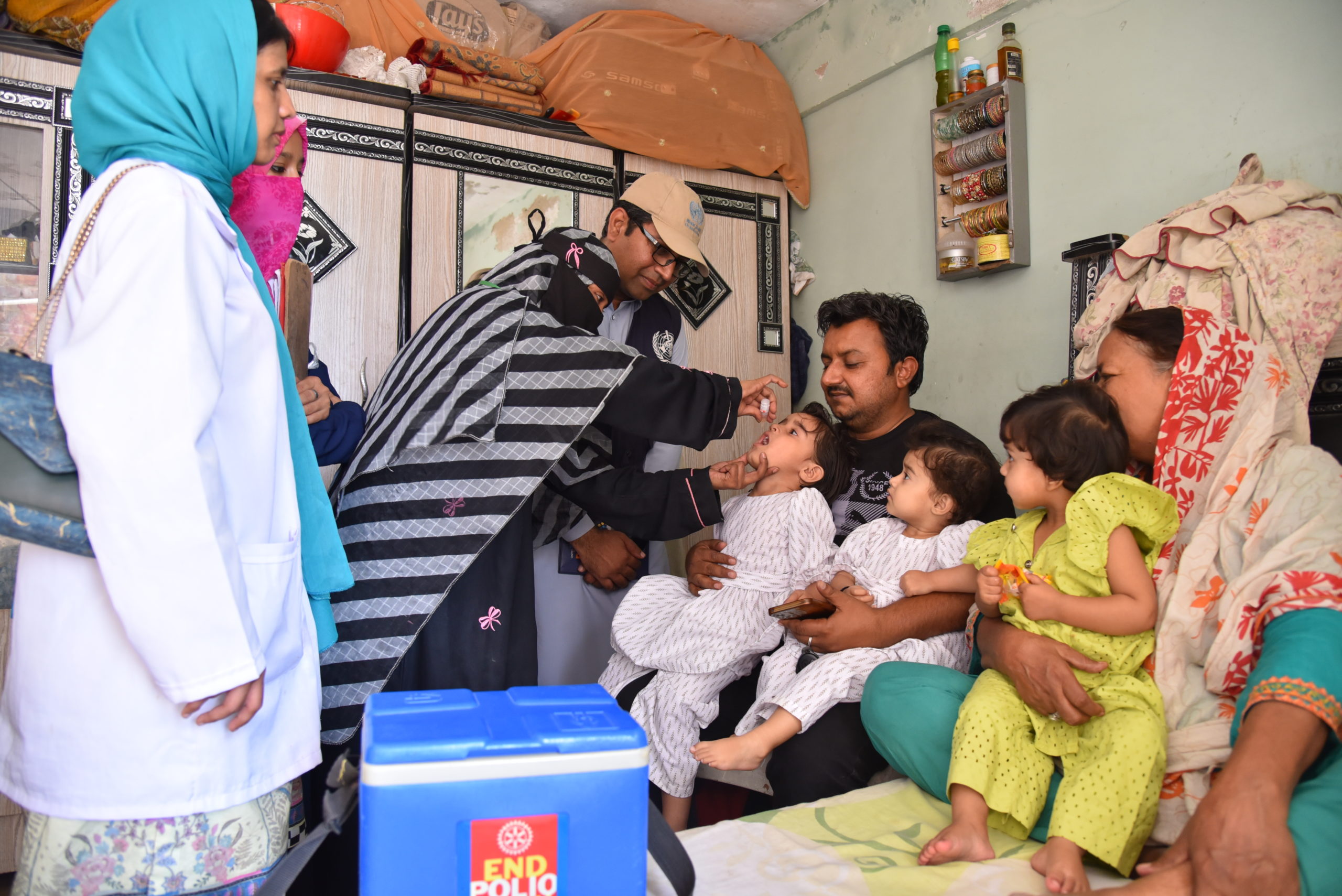
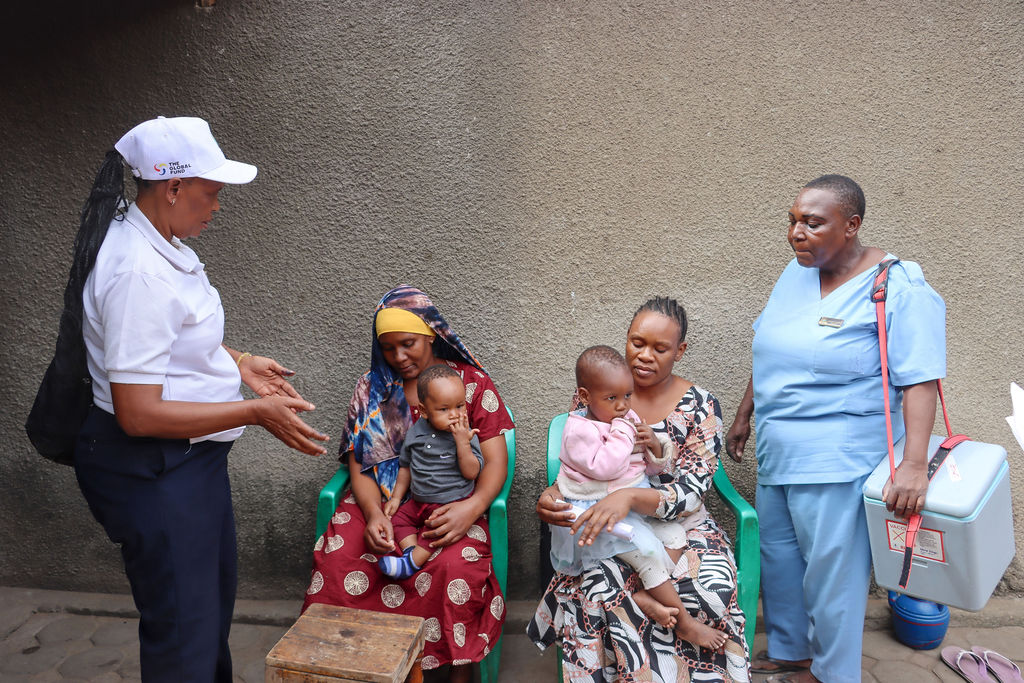
Finally, Chris emphasized that the programme’s greatest strength remains its partnership. “One of the greatest privileges of this role is the opportunity to work alongside governments, WHO colleagues, UNICEF, CDC, the Gates Foundation, Gavi, donors and our extraordinary friends at Rotary International, whose commitment has inspired this effort for decades. Above all, I look forward to supporting the frontline health workers and national programme teams. They are the true heroes of polio eradication.”
Chris took up his role on 14 September 2026.