- Full biography of the UNICEF Executive Director: Catherine Russell
- Follow the UNICEF Executive Director: @UNICEFChief
GPEI Q1: You’ve travelled to many countries facing the toughest health and humanitarian challenges, including areas affected by polio. How do polio vaccination campaigns help serve as an entry point for delivering lifesaving vaccines and health care services to children who might otherwise be missed?
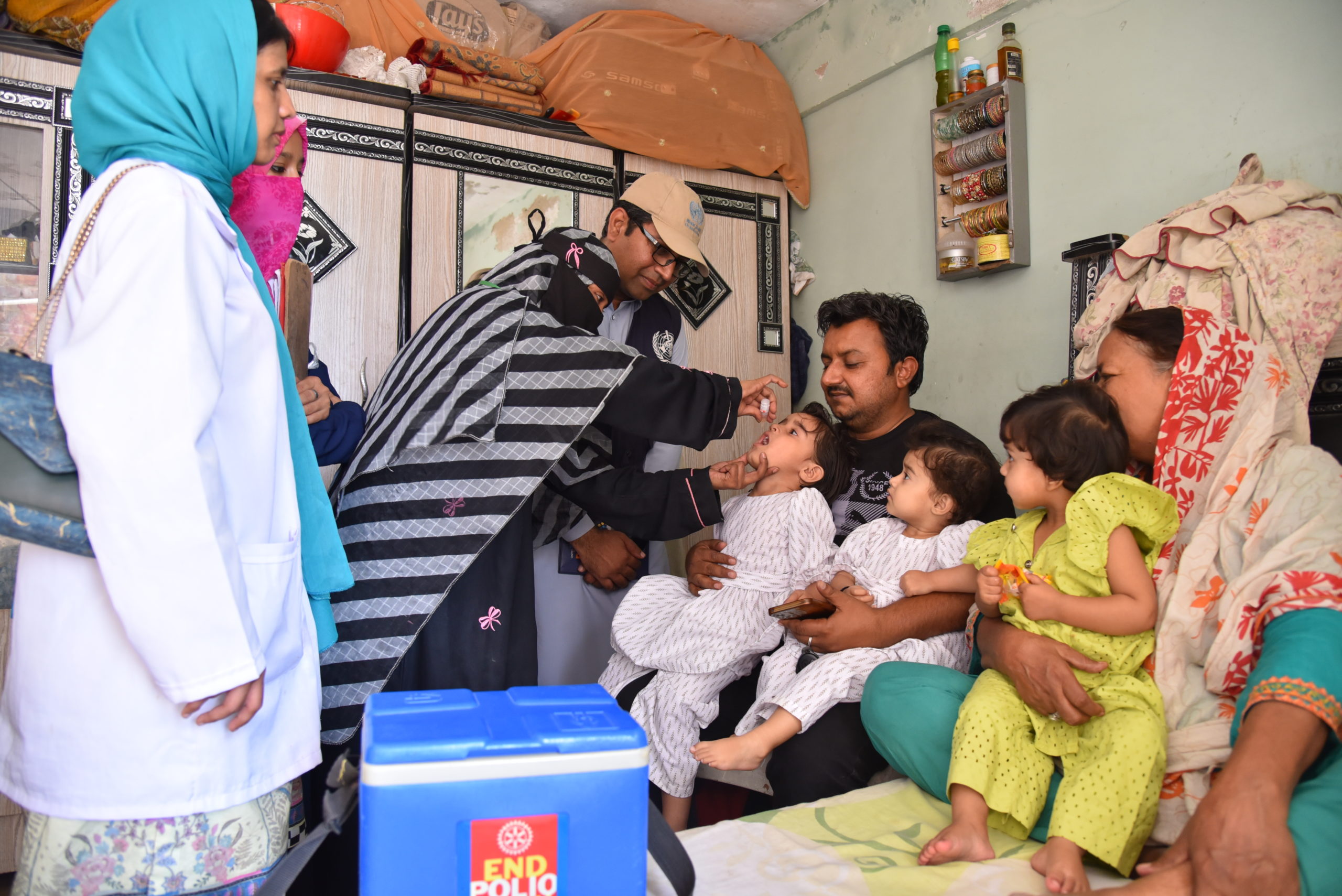
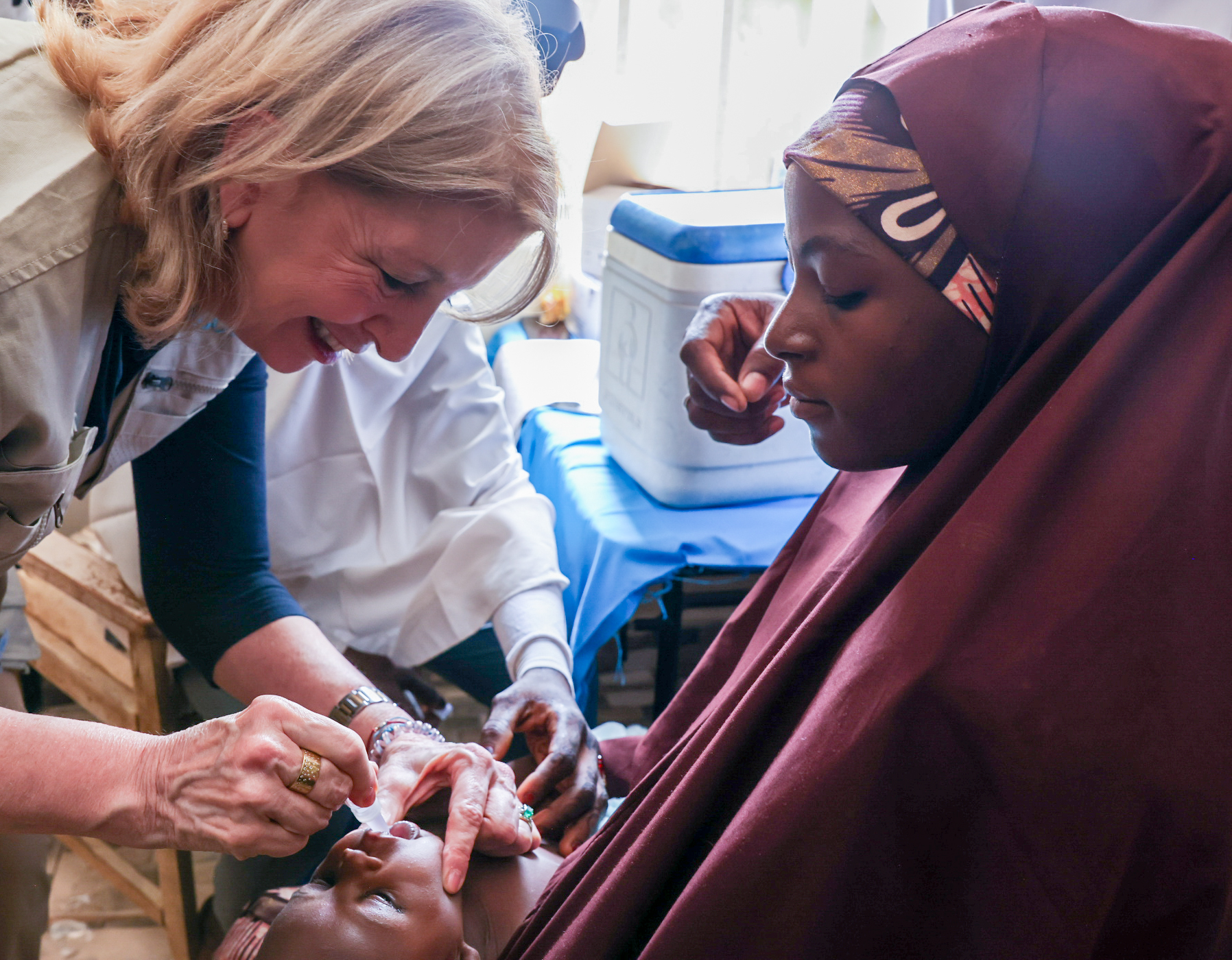
I saw the scale, complexity and impact of the global polio eradication effort on my first mission to Afghanistan and Pakistan, just a few weeks into my role as UNICEF Executive Director in 2022. These are the last two polio-endemic countries in the world. It was a reminder that to eradicate polio, every child must be reached in every community. This requires that health workers travel to the most remote and underserved areas – places where few, if any other, basic health services are available. And when they do reach them, the polio program can open the door to other lifesaving vaccines and primary health care.
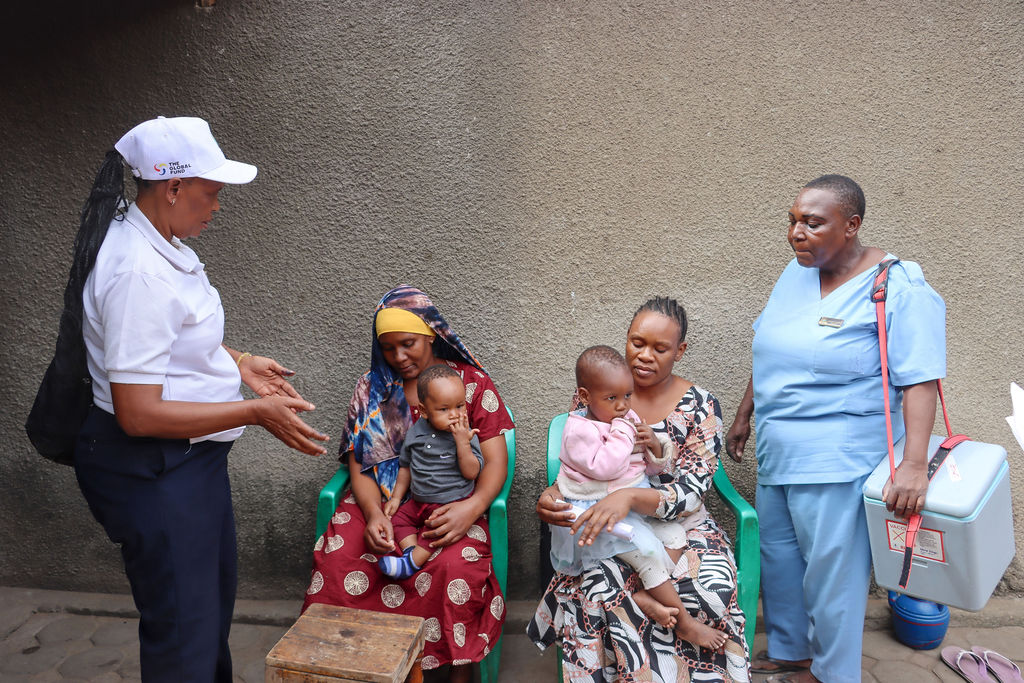
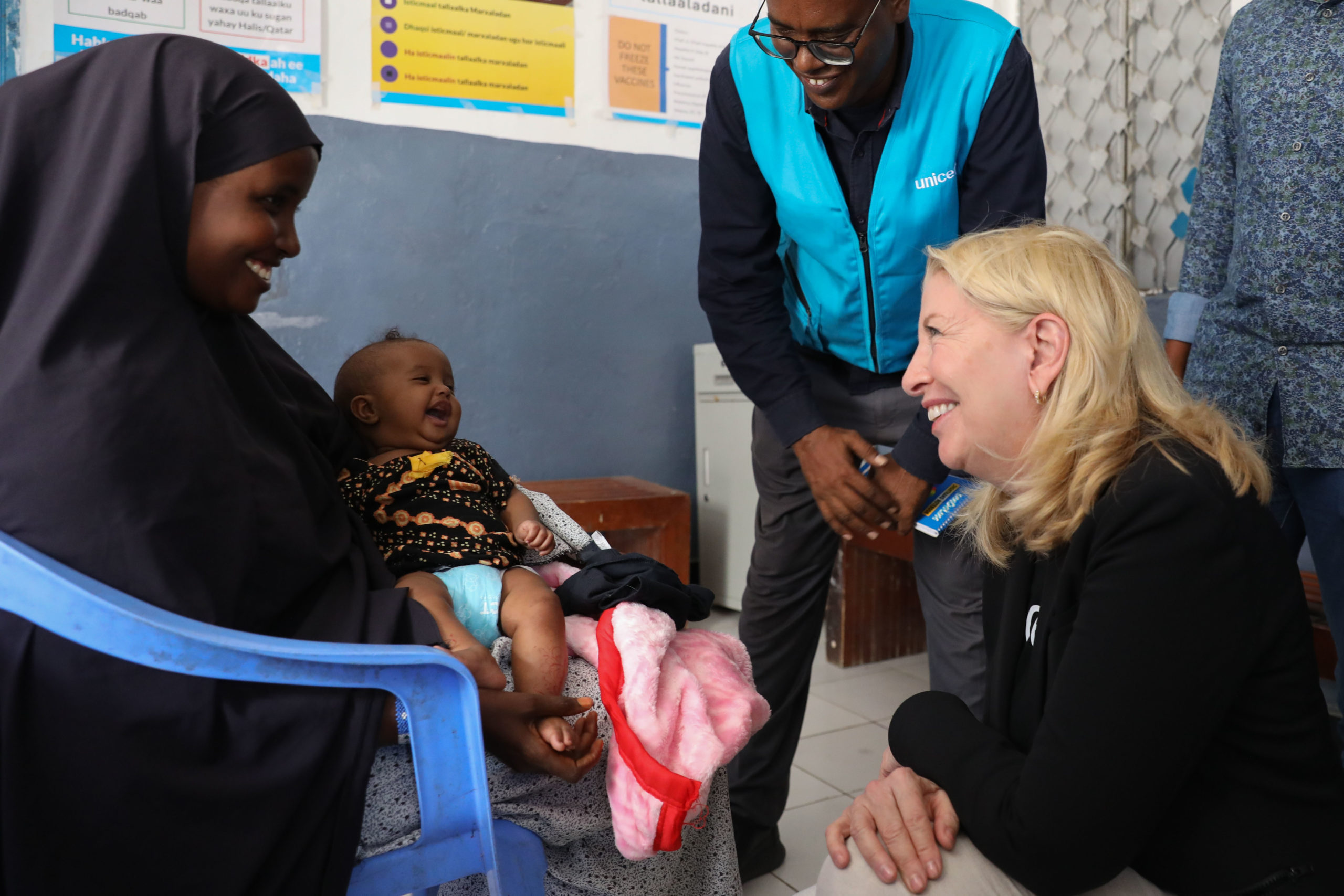
On recent missions this year to Sokoto State in northwestern Nigeria and to Somalia, I again saw first-hand what polio vaccines and routine immunization can mean for children, families and communities. When meeting mothers and children at UNICEF-supported hospitals and clinics, it is clear how vaccines against diseases like polio and measles change lives.
Strengthening routine immunization and health systems in polio-affected countries is one of the best investments we can make for children. UNICEF continues to work with governments, partners and communities to reach every child with reliable, high-quality immunization services. Delivering two drops of oral polio vaccine alongside routine immunizations, vitamin A and nutrition screenings helps build trust and creates a lasting lifeline to essential health services.
GPEI Q2: How does finishing the job to eradicate polio contribute – not only to making polio the second human disease to ever be eradicated after smallpox – but also to strengthening health systems?
In the 1980s, polio paralyzed 350,000 children every year across 125 countries. Today, thanks to vaccines, frontline health workers, governments, GPEI partners, and donors, cases have fallen by more than 99 per cent. We are now in the final stretch, and we need to urgently finish the job: as long as polio exists anywhere, children everywhere remain at risk.
No single organization can end polio alone. Through GPEI, UNICEF works with governments, the World Health Organization, Rotary International, Gavi, the Vaccine Alliance, Gates Foundation, the US Centers for Disease Control and Prevention, and donors committed to eradicating polio. Together, we bring our different strengths to reach every child. Every investment in polio strengthens health systems – by training health workers, improving disease surveillance, expanding immunization services, and reaching communities that are too often left behind.
Ending polio will protect children today and for generations to come, freeing up billions of dollars that can be redirected towards addressing other diseases and strengthening health care. This is the moment to push polio over the finish line once and for all.
GPEI Q3: The final stage of polio eradication is complex and challenging, particularly in fragile settings experiencing protracted crises, conflict, displacement, and vaccine hesitancy. What innovative strategies and community-led solutions is UNICEF bringing to the partnership to reach zero-dose children?
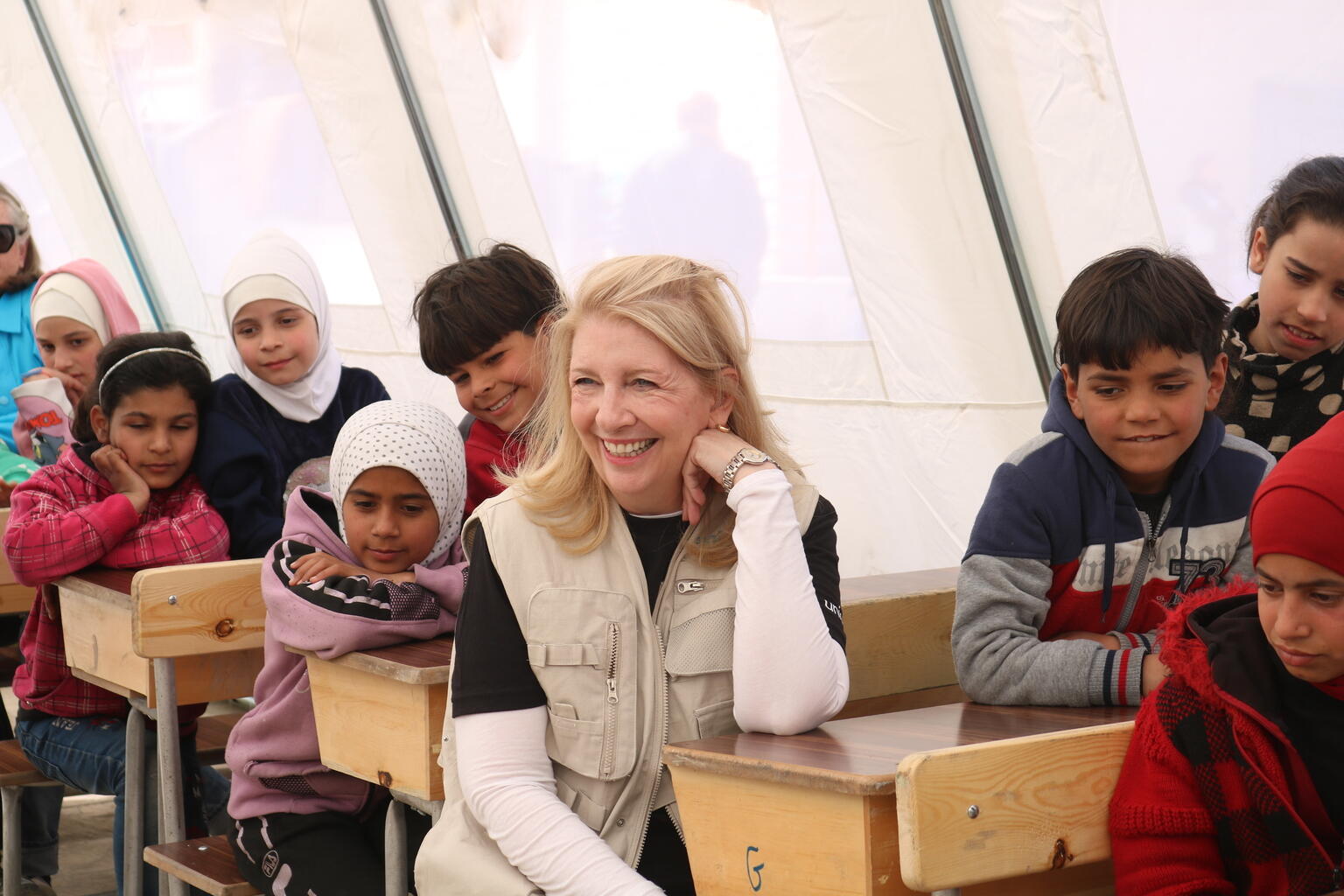
The best strategy for reaching every child is to empower local partners and communities to lead their efforts, including in fragile and conflict-affected settings. By working hand in hand with community leaders, local elders, faith leaders, and other trusted local partners, we have been able to reach children in communities affected by conflict and insecurity who might otherwise have been missed. Local leadership, trust, and influence have been essential in helping to reach under-vaccinated and zero-dose children – not only with vaccines, but with other essential health services.
In many complex settings, vaccine misinformation can be as much of a challenge as access constraints. UNICEF’s Polio Pulse is a specialized social listening and analytics platform that tracks digital conversations and concerns of caregivers in local communities to combat misinformation and build public trust in vaccines. This innovative strategy provides real-time intelligence by analyzing online and offline discourse, which allows health teams to deploy a targeted, culturally relevant response.
Crucially, frontline health workers are at the heart of community-led polio eradication efforts, bringing trusted local knowledge, relationships and expertise to every household they serve. As members of the communities they work in, they build vaccine confidence, address misinformation, and help ensure that no child is missed. Their leadership strengthens both polio campaigns and the broader primary health care systems by connecting communities with essential health services.