- Full biography: Professor Carl Kurlander
- Follow Professor Carl Kurlander: @Ckurlander

GPEI Q1: Your documentary about polio, ‘The Shot Felt ‘Round the World’, and your recent articles suggest the polio vaccination success paradox: because many people no longer remember iron lungs and childhood paralysis or the fear surrounding polio, they may also forget why vaccines and eradication efforts still matter. How can storytelling make this ‘forgotten’ disease emotionally compelling for a new generation and show that polio eradication urgently needs to be achieved?
It is true that vaccines have been a victim of their own success, which overall is a good thing. But while we are close, we know that the job of eradicating polio is not yet over. My documentary ‘The Shot Felt Round the World’, began when I first came back to my hometown from Hollywood to teach at the University of Pittsburgh and my students and I filmed the 50th anniversary of the Salk polio vaccine. We were fortunate to speak with many of those who had worked alongside Dr. Jonas Salk in his lab. My own child was in grade school while we were editing ‘The Shot Felt Round the World’ and the teacher asked me to show the rough cut to a class of fourth graders. I was hesitant, because the movie showed children in wheelchairs and iron lungs, but the teacher insisted. I was taken aback at how riveted the children were and that’s when I realized that polio is this strange cross between a horror movie and a dark fairy tale.
In the 1930s, 1940s and 1950s, summers were called ‘polio season’ and local and state health authorities shut down public spaces – including public swimming pools and theatres – during peak polio outbreak years. Parents were afraid to send their kids to birthday parties for fear they would be infected by the invisible polio virus that could put their children in wheelchairs, the dreaded iron lung, or even result in death. In 1938, kids across America began to send dimes to President Franklin D. Roosevelt in the White House as part of the ‘March of Dimes’ campaign. President Roosevelt himself was in a wheelchair because of polio. Some of those dimes went to a then unknown 33-year-old – Dr. Jonas Salk in Pittsburgh – who, with his team, was working on an experimental polio vaccine. Thanks to collaborative efforts such as these and the work being done by the Global Polio Eradication Initiative (GPEI), today children in most countries around the world can now go to sleep without ever having to worry about getting polio. But the polio virus still threatens children in several countries around the world, and we must work urgently together to ensure the virus is eradicated everywhere.
After the film was finished, we had this crazy idea of having young people watch our movie and make their own videos through the ‘Take a Shot at Changing the World’ contest. With support from the Gates Foundation, the Grable Foundation and the R.K. Mellon Foundation, as well as the Heinz Endowments, we had young people do their own research and use their imagination and creativity. We piloted a program where 70 schools had students talking to their grandparents, making animations and even rap songs about polio. Prizes were given out by Dr. Peter Salk, who was ten when his father was developing the polio vaccine.
The contest was such a great success that we hoped to do it on a larger scale so that future generations would grow up knowing what life was like before all this. Sadly, today we are seeing the price of what happens when people forget. This is why we must use storytelling to let the world know that while we are close, the job of polio eradication is not yet done – we need everyone’s support to finally finish the job and make the world polio free.
GPEI Q2: You have been a passionate advocate for polio eradication efforts for years, through your films, written articles, and television, radio, and print interviews. Where does your passion come from, why is polio advocacy important, how do you stay motivated, and how can we best encourage others around the world to also engage and support polio eradication efforts?
There are two quotes that both inspire and haunt me. The first is from Dr. Jonas Salk who once said, “Sometimes I meet people who didn’t know what polio was, and to me, that is gratifying.” The second is from his youngest son, Dr. Jonathan Salk, who described in ‘The Shot Felt Round the World’ how his father asked himself all the time “Why can’t the model that was used to develop the world’s first polio vaccine be used to solve other challenges about health and poverty?” I passionately believe this could happen if more people knew the story and how efforts continue with the work of GPEI partners like UNICEF, Rotary, WHO, Gates Foundation, CDC and Gavi and governments around the world who have uniquely come together in a cooperative, collaborative effort to eradicate polio.
In terms of motivation, because people have forgotten about polio in the state where I live, vaccination rates are declining; people don’t realize the consequences, and now infectious diseases are again on the rise, including measles which tragically appears to have taken the lives of four people this year. The prescription to me is to get people to understand what it was like for most of last century. I feel a sacred obligation to let them know about Ethyl ‘Mickey’ Baily, who worked in the Salk lab and pipetted the polio vaccine by mouth; about Dr. Sid Busis, who performed tracheotomies on iron lung patients as young as two years old in the polio ward; about Ron Flynn and James Sarkett, who were living with polio in the D.T. Watson Home for Crippled Children, and who offered their arms for a vaccine that they knew could not help them, but would help others. And, about Julius Youngner, the team’s senior scientist who had worked on the Manhattan Project and told us that within a decade he had worked on the most destructive thing science had ever produced – the atom bomb – as well as the most constructive thing science had ever produced – the polio vaccine – which has spared millions of children around the world the agony of this devastating disease.
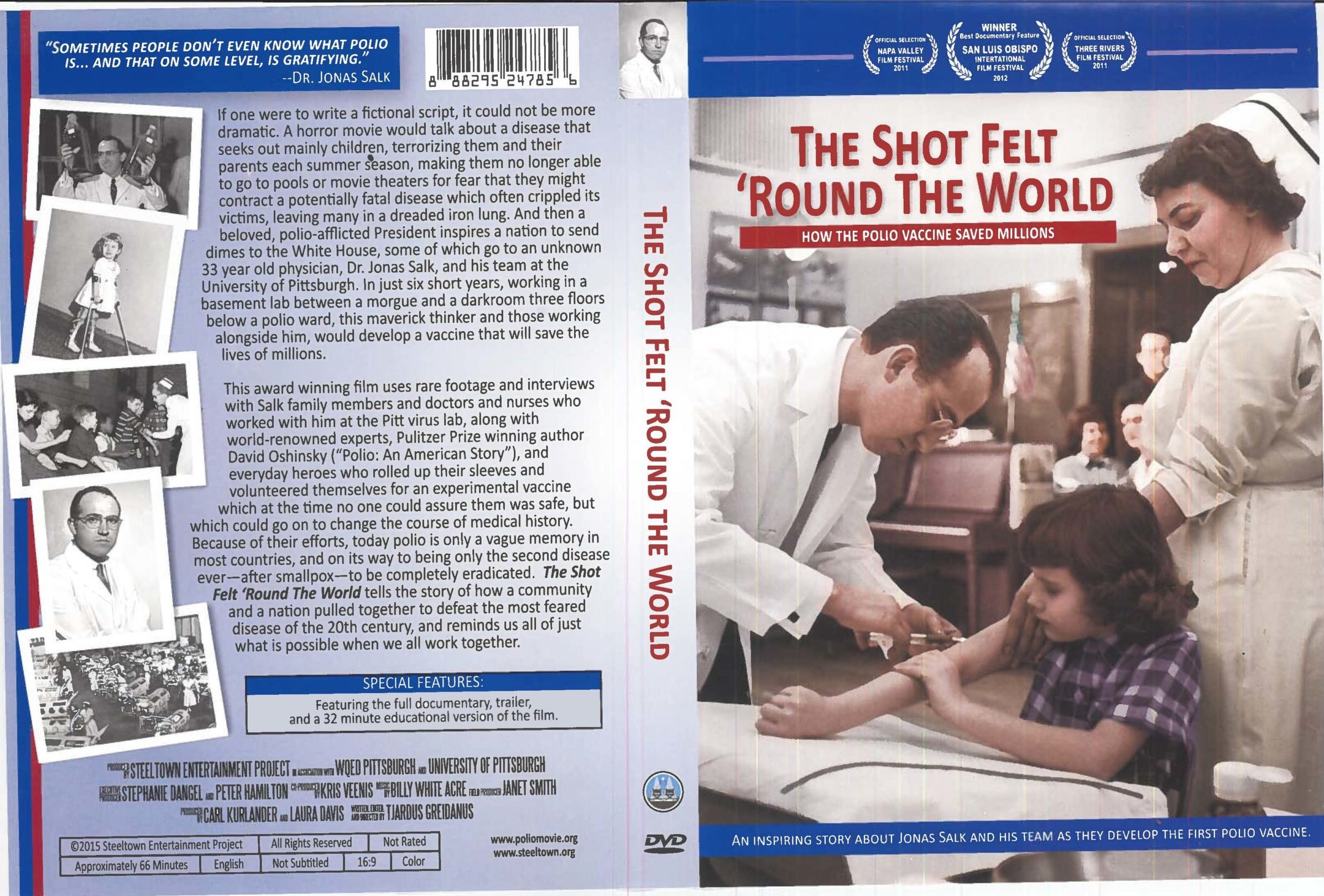
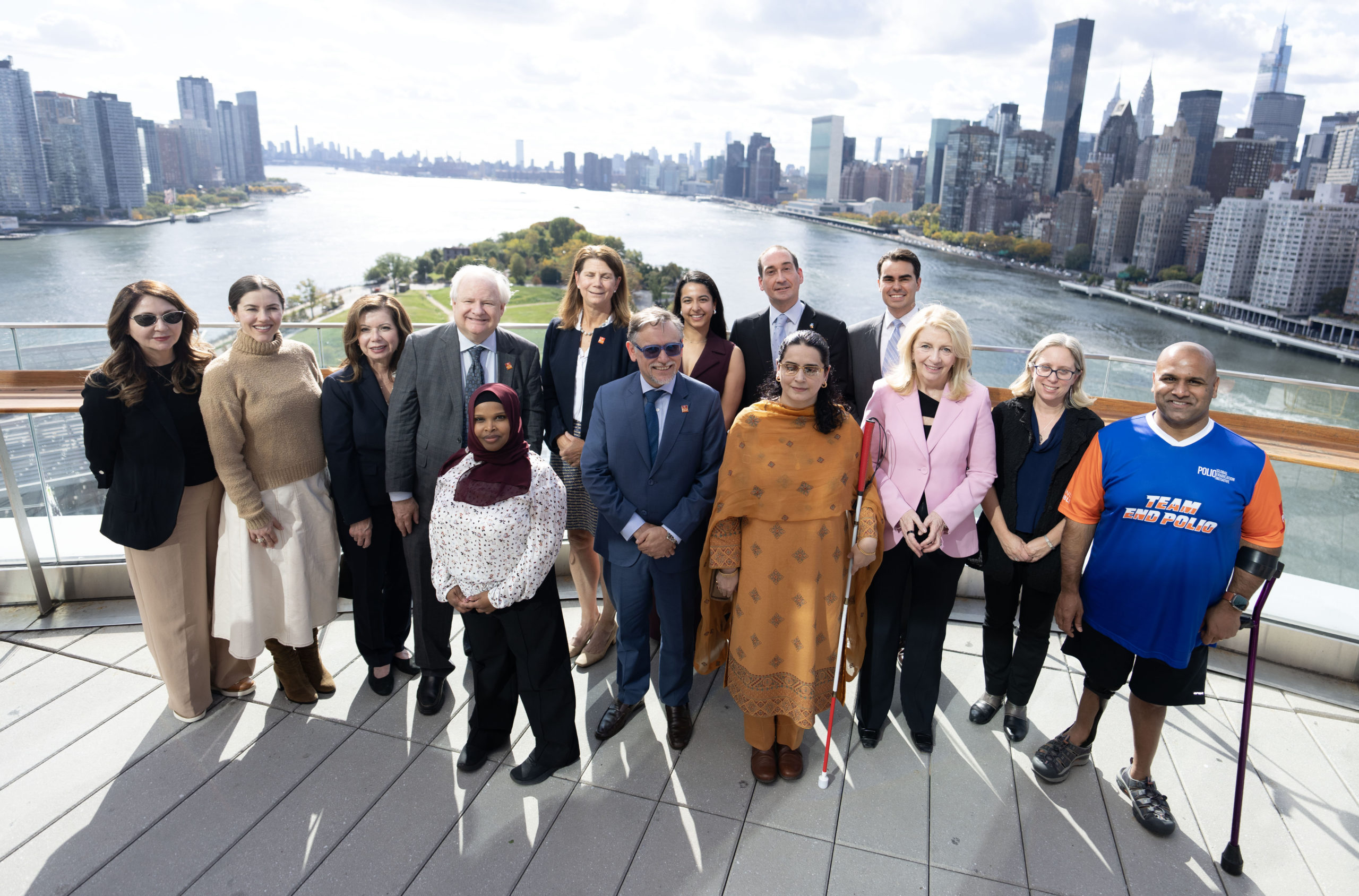
But here’s the reason I am more passionate today than ever about all this. On 12 April 1955, when the Salk vaccine was declared “safe, effective, and potent”, church bells rang out, kids were let out of school, and headlines around the world declared ‘Victory Over Polio’. When I was invited to show clips from ‘The Shot’ in October 2025 at the GPEI World Polio Day event on Roosevelt Island, I was reminded again of the work of what I call ’The Avengers of Public Health’ and the countless of hours and resources put in by millions of polio health workers and volunteers, healthcare professionals, polio advocates and governments that often don’t agree on other things. My biggest fear is that when this effort finally succeeds, it will be a story buried in the back of The New York Times with less clicks than the latest TikTok dance craze, and the world will not realize what a stunning achievement this is.
GPEI Q3: In your recent Substack article, you use the 2026 World Cup and the advocacy journey of polio survivor Ramesh Ferris to show how sport can focus global attention on challenges far beyond the field. How and why should GPEI partners continue to turn major cultural moments in sport, music, and film into sustained political commitment and public support for urgently finishing the job of polio eradication?
It is great what Team End Polio members like Ramesh Ferris and other athletes, polio advocates, and public figures have done to keep the polio eradication effort in the public’s mind. This all builds on what made the initial ‘March of Dimes’ campaign so effective through its collaboration with the entertainment industry. The name itself was a play on words invented by comedian Eddie Cantor, riffing on ‘The March of Time’ newsreels shown before movies in theaters in those days. When we interviewed Mickey Rooney for ‘The Shot Felt Round the World’, he told us about sitting with President Roosevelt during his ‘Birthday Balls’ fundraisers for a polio cure. Mickey was enlisted, along with Judy Garland, Lucille Ball, Sammy Davis Jr., and many others, urging every American to send dimes to the White House to defeat polio.
Today we live in a media-saturated time and what is needed to make sure the polio story breaks through is a coordinated effort to take polio eradication efforts to another level globally, into a campaign like the world has rarely seen. Strangely, I was reminded of the power of media to do good when Ramesh and I were invited to go fishing by Rick Hansen, the wheelchair athlete whose ‘Man in Motion World Tour’ inspired the number one hit song ‘St. Elmo’s Fire (Man in Motion)’, from the movie of the same name which I co-wrote with director Joel Schumacher. I knew Rick had used that song to help raise millions for spinal cord research and help those with disabilities back in the 1980s. But I discovered that Rick has kept going forward: helping to raise hundreds of millions of dollars more; changing the way people view people in wheelchairs; and, also helping make his country, Canada, and many other countries around the world, more accessible.
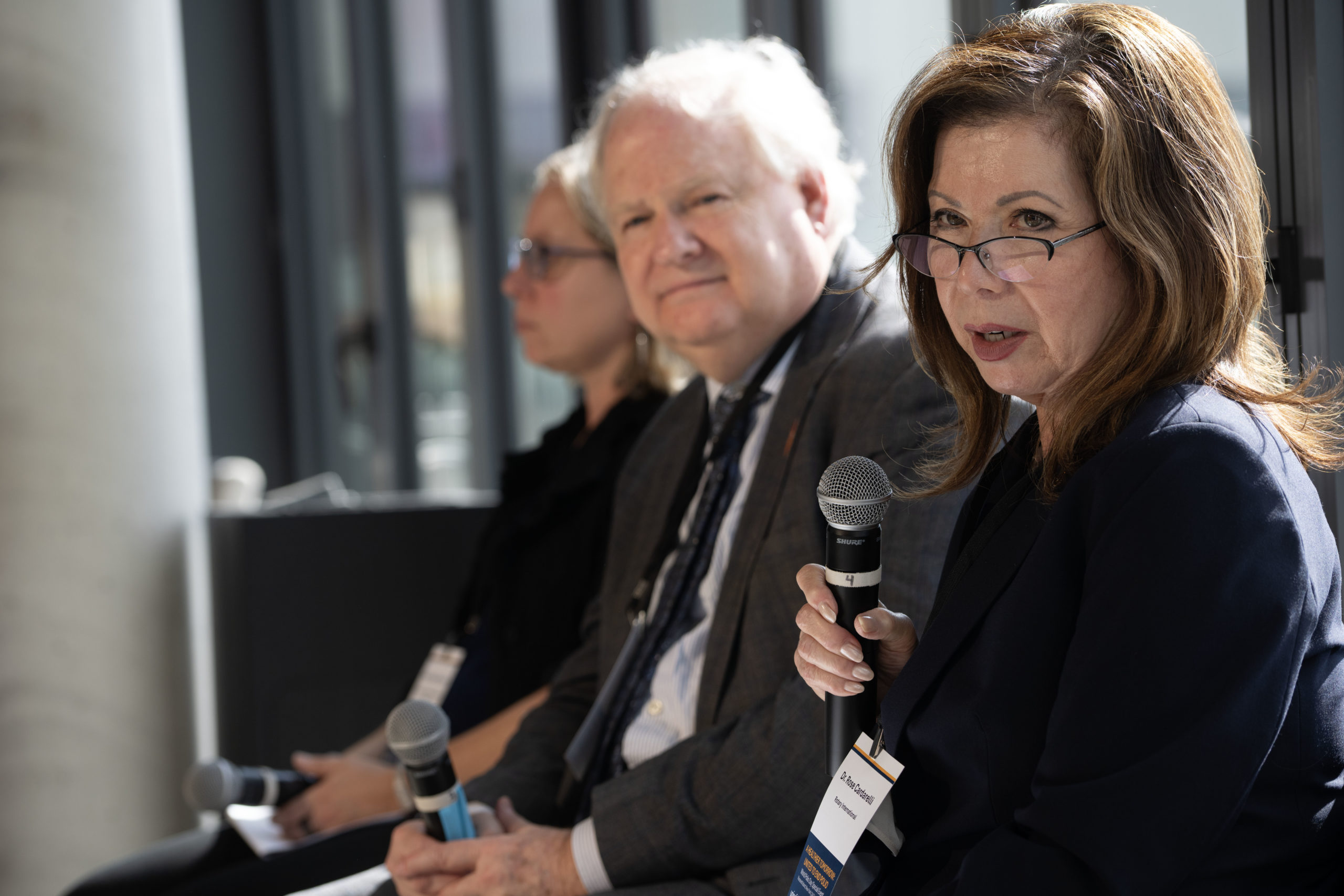
It is impressive how Rotary, UNICEF and the other GPEI partners have worked with athletes, entertainers and celebrities to help get the polio message out. As a polio advocate, Ramesh has photos of himself with Selena Gomez, Chris Martin, Kendrick Lamar, Neil Young – a fellow polio survivor – and so many more at ‘End Polio Now’ events. Imagine a ’We are the World’ type video with a diverse range of celebrities encouraging young people everywhere to help polio eradication go viral as part of a unified campaign for a global version of ‘Take a Shot at Changing the World’!
To mark World Polio Day last year on 24 October 2025, we were shown the Smallpox Hospital on Roosevelt Island which was closed after smallpox was eradicated. It is now a beautiful ivy-covered building and I couldn’t help but think about Sofia Coppola interviewing her father, Francis Ford Coppola, there about having polio as a child, and how he has credited that with his love of movies and his incredible imagination that led to him directing The Godfather and other landmark films. Sofia’s daughter, Romy Mars, is a TikTok influencer; influencers should know that they – and a whole new generation – are invited and encouraged to participate to help finish the job of finally making the world polio free.
When I was a kid, it was inspiring and exciting for me to be with other kids carrying our orange UNICEF trick-or-treat boxes going door to door at Halloween. But what if next year, schools, teachers and parents could collect the imagination and creativity of young people, with every kid invited to make videos about why polio eradication is still so important: after all, polio anywhere is a threat to children everywhere. Winners would not only win scholarships and prizes, but a trip to Roosevelt Island, where on 12 April – the anniversary of Dr. Jonas Salk’s polio vaccine being declared “safe, effective, and potent” – the best videos would be showcased and students would get a chance to meet inspiring athletes and entertainers united for one cause: let’s remind the world what is possible when we all work together – and make history by defeating a common enemy: the polio virus. It may sound like a movie, but at least this one has the ultimate happy ending.