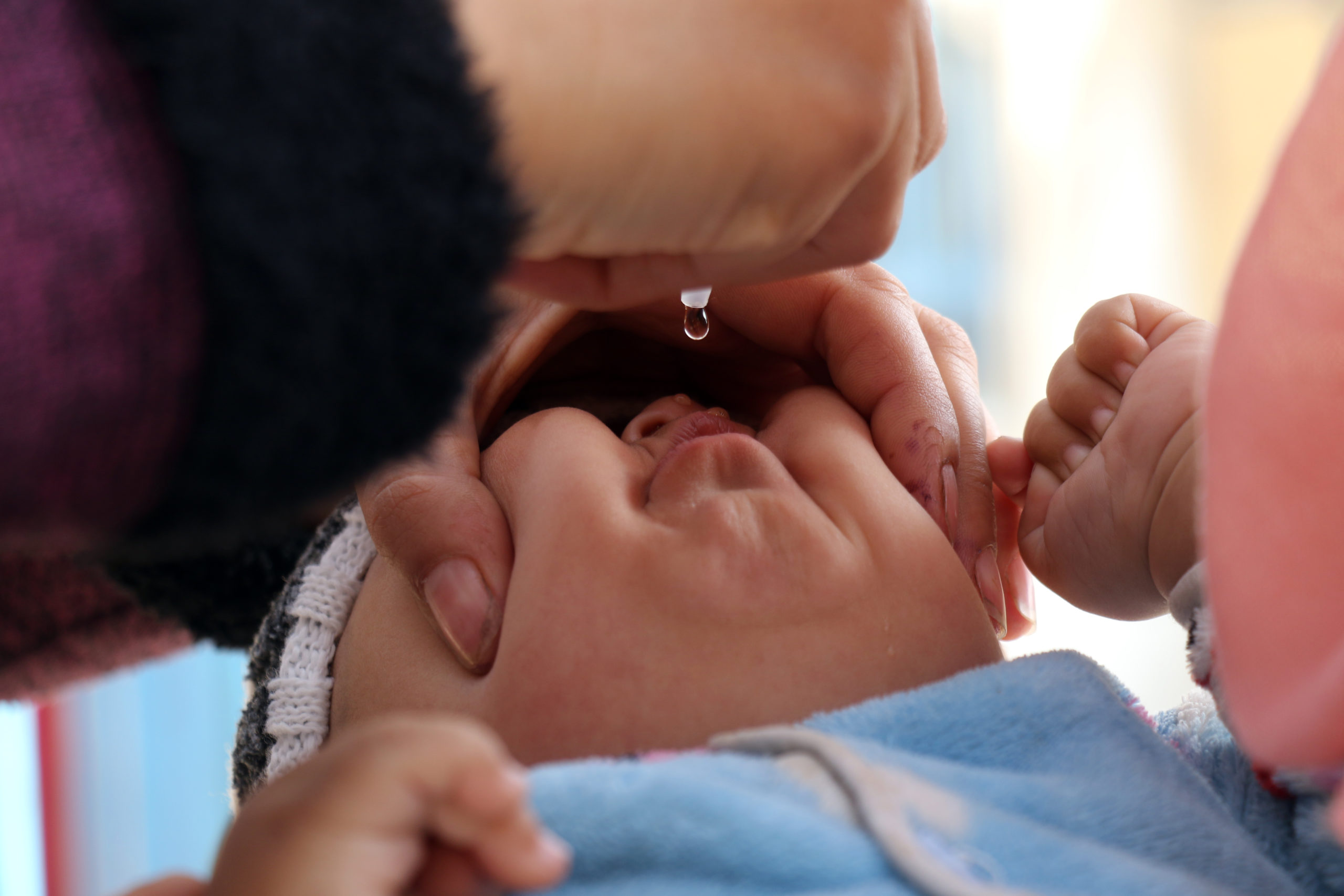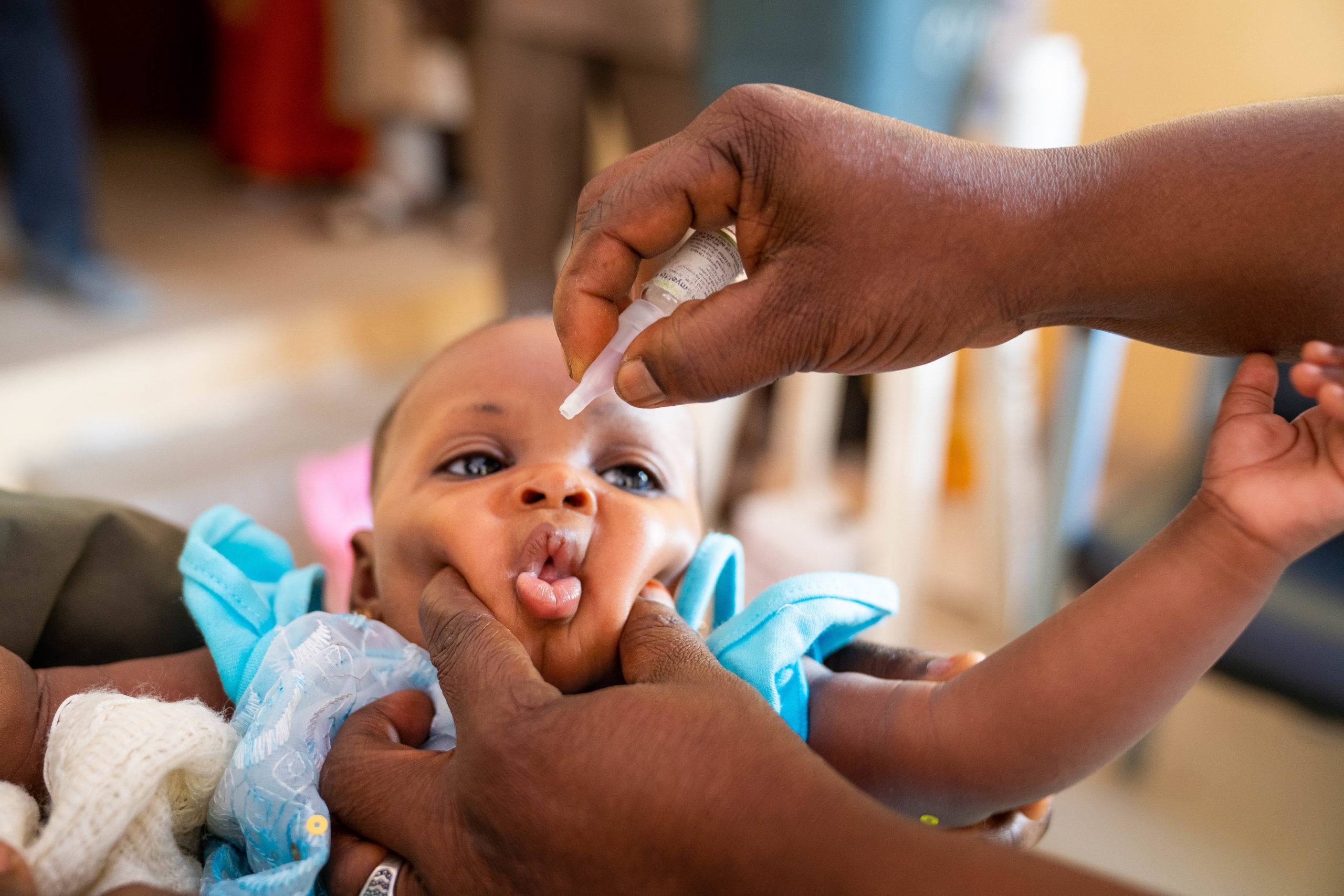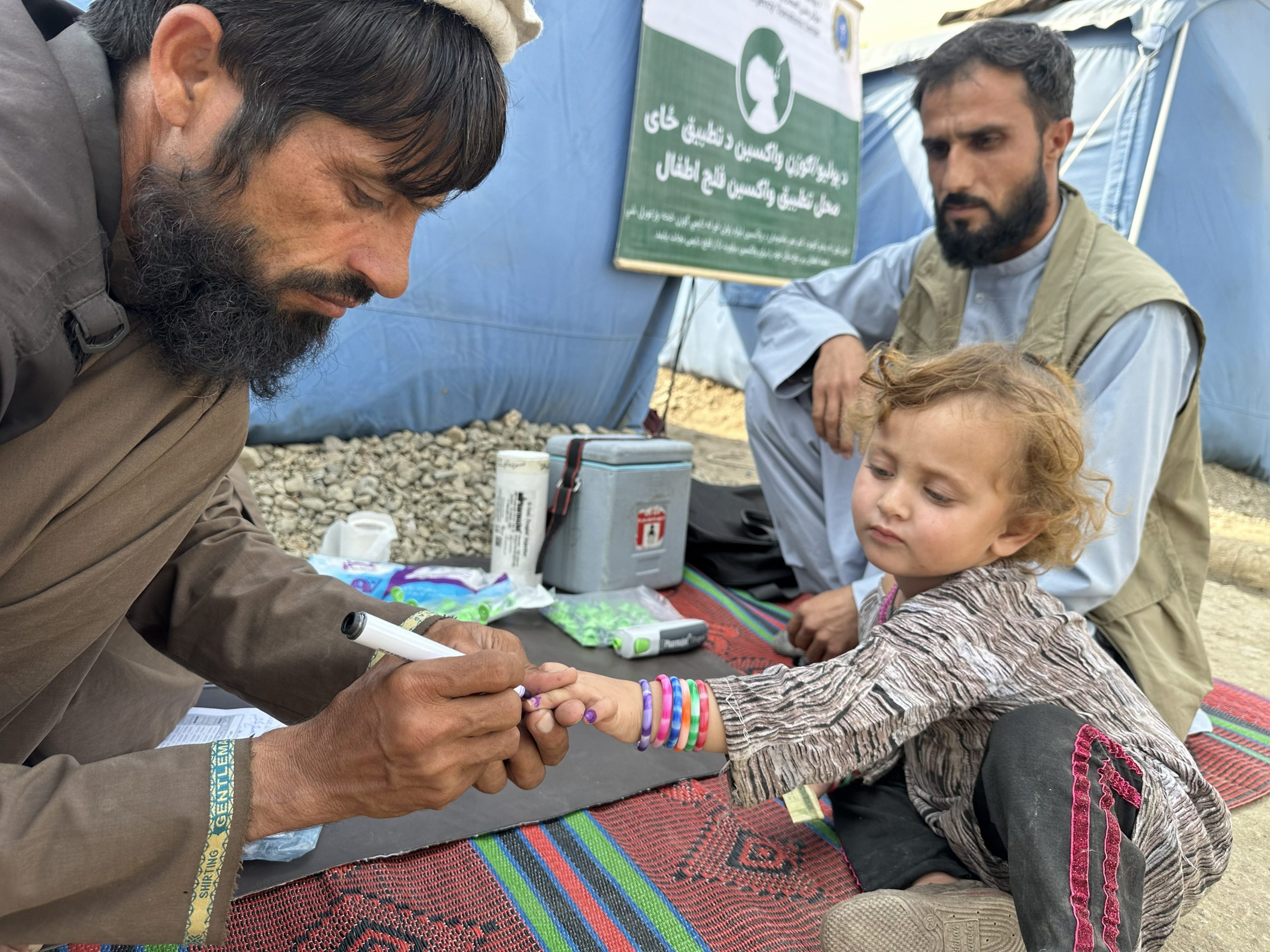
For more than half a century, scientific discovery has helped protect millions of children from one of the world’s most feared diseases. Today, as the world stands closer than ever to eradicating polio, researchers continue to push the boundaries of innovation—not for the sake of science itself, but to ensure that every child, everywhere, can grow up free from the threat of polio
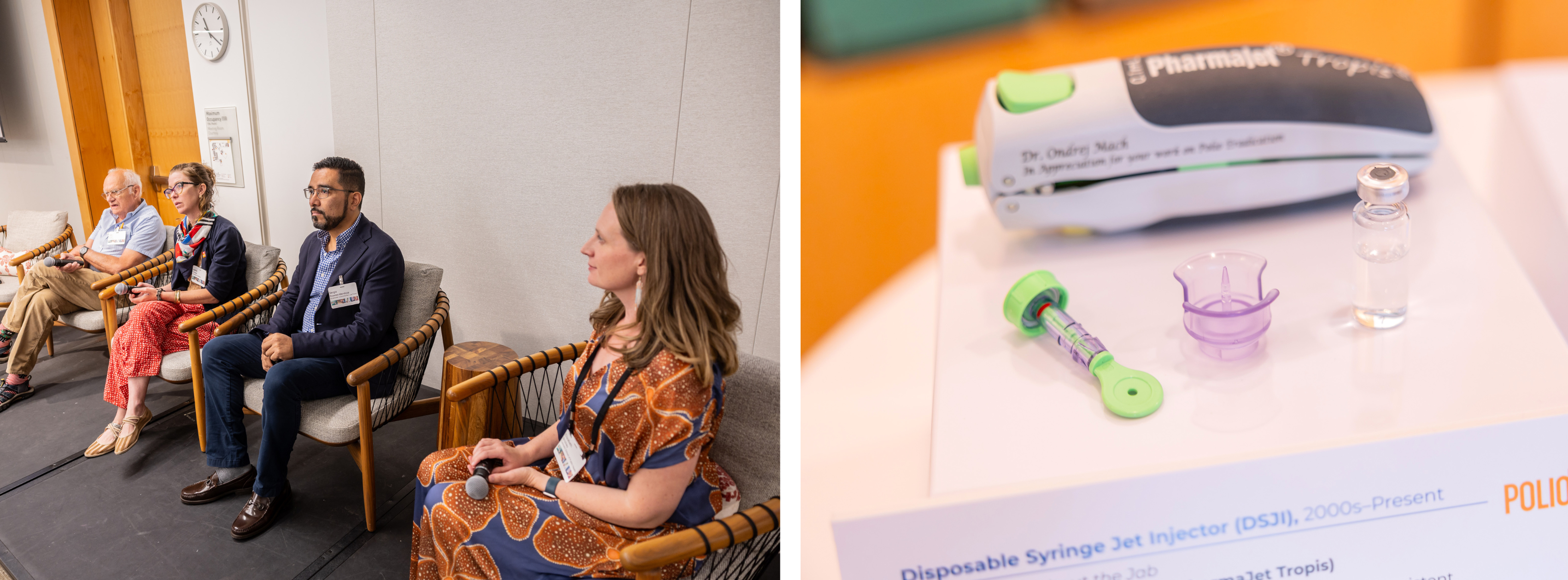
This month, the Global Polio Eradication Initiative’s Polio Research and Analytics Group (PRAG) brought together scientists from around the world for a high-level research convening in Seattle. The meeting gathered experts in immunology, virology, vaccinology, epidemiology and related disciplines to discuss the programme’s priority research questions and strengthen collaboration across the scientific community, with the goal of sparking new ideas to inform eradication strategies.
“Polio eradication has always been a science-driven programme,” said Dr. Ondrej Mach, who coordinates global polio research activities at WHO. “Research does not sit alongside eradication—it is embedded within it. Every operational challenge generates new scientific questions, and every scientific advance helps us better protect children.”
Convening attendees explored a broad range of topics, from improving mucosal immunity and understanding vaccine performance to strengthening genomic surveillance and designing the next generation of vaccines. They also examined how scientific advances in other areas of vaccine development and immunity could inform progress toward a polio-free world, while continuing to strengthen global public health.
“Every major advance— from environmental surveillance to novel vaccines to new strategies of using existing tools—has come from asking better scientific questions and translating evidence into action,” said Dr. Ananda Bandyopadhyay, Deputy Director, Technology, Research and Analytics, Gates Foundation. “As we approach eradication, innovation becomes even more important. It helps us refine today’s tools and develop new solutions to reach every child and protect future generations from diseases like polio.”
The science also came to life beyond the meeting itself. On Monday evening, participants gathered for a special reception featuring “Museum of a Polio-Free World,” an exhibit showcasing the “Then, Now, and Next” of polio eradication. Many of the scientific breakthroughs that have transformed the effort were on display—from the iron lung that once symbolized the devastating consequences of polio to today’s vaccines, surveillance technologies, and cold-chain innovations that are bringing the disease to the brink of eradication.
“Some of the most important breakthroughs happen when researchers from different disciplines come together to tackle shared challenges,” said Dr. Elizabeth Brickley, Director of the Center for Global Health, Colorado School of Public Health. “By connecting scientific discovery with program implementation, meetings like this help ensure that new evidence can rapidly translate into better strategies for protecting children and accelerating eradication.”
Research projects are supported by multiple partners, including KSrelief, who are currently funding several research studies focused on topics including optimizing vaccination schedules and examining social and behavioral drivers of immunization.
“The final mile of eradication demands continual innovation,” said Ann Marie Kimball, Rotary International’s representative to the Polio Research Committee. “Science has brought millions of children to the threshold of a polio-free world and science will help us cross the finish line, ensuring a polio-free world for every child, everywhere, forever.”