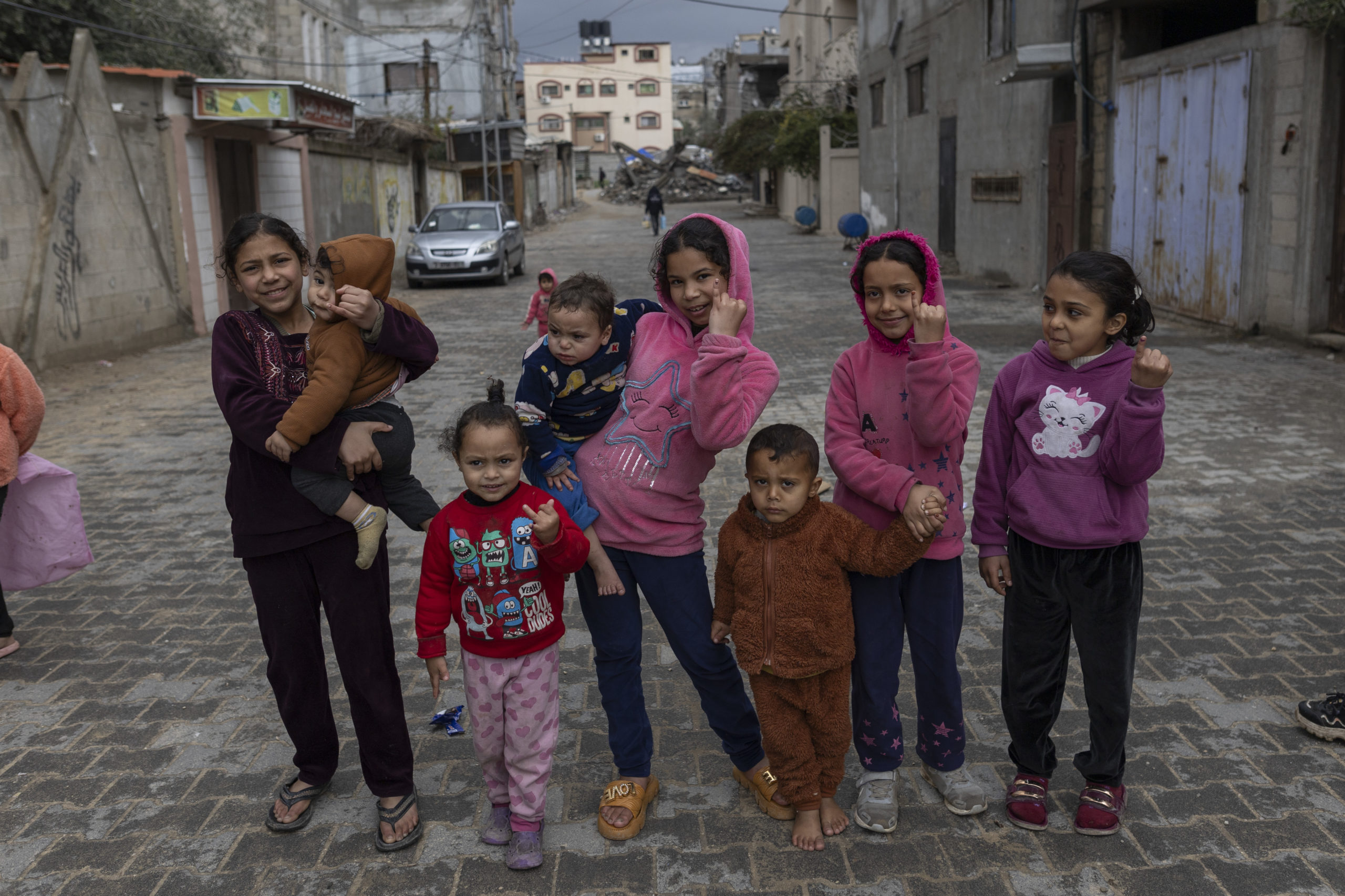
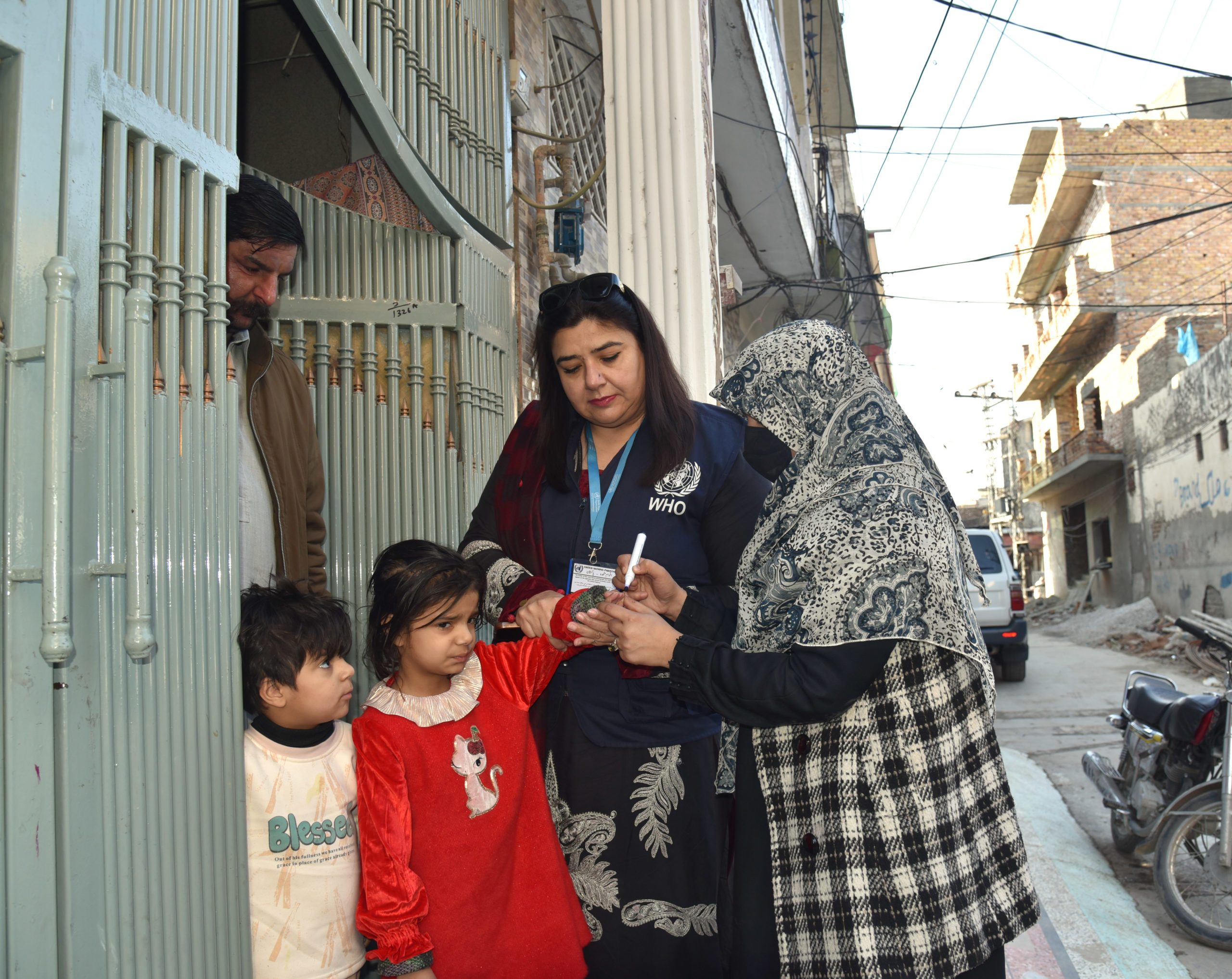
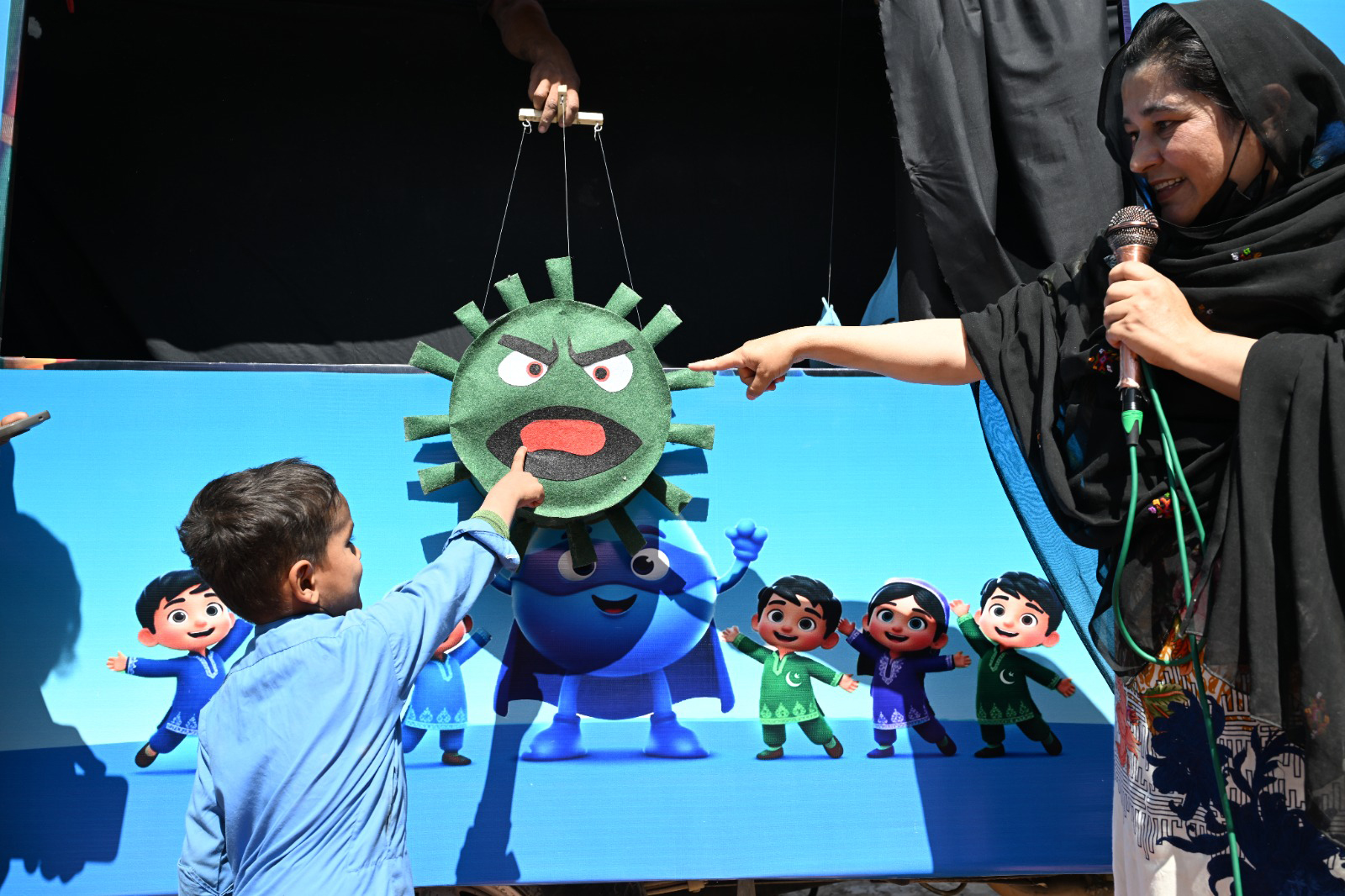
Every child protected from polio represents a conversation that worked, a door that opened, a mother reassured, a family reached. Behind each of those moments, in the Democratic Republic of the Congo (DRC), in Ethiopia, in Nigeria, is a woman who is making it happen.
Across all three countries, when women are provided genuine authority, trained resources, and institutional recognition, vaccination coverage climbs. The approaches differ by context, culture, and need. The outcome is consistent.
Nigeria’s Secret Weapon Against Polio? Trusting Women
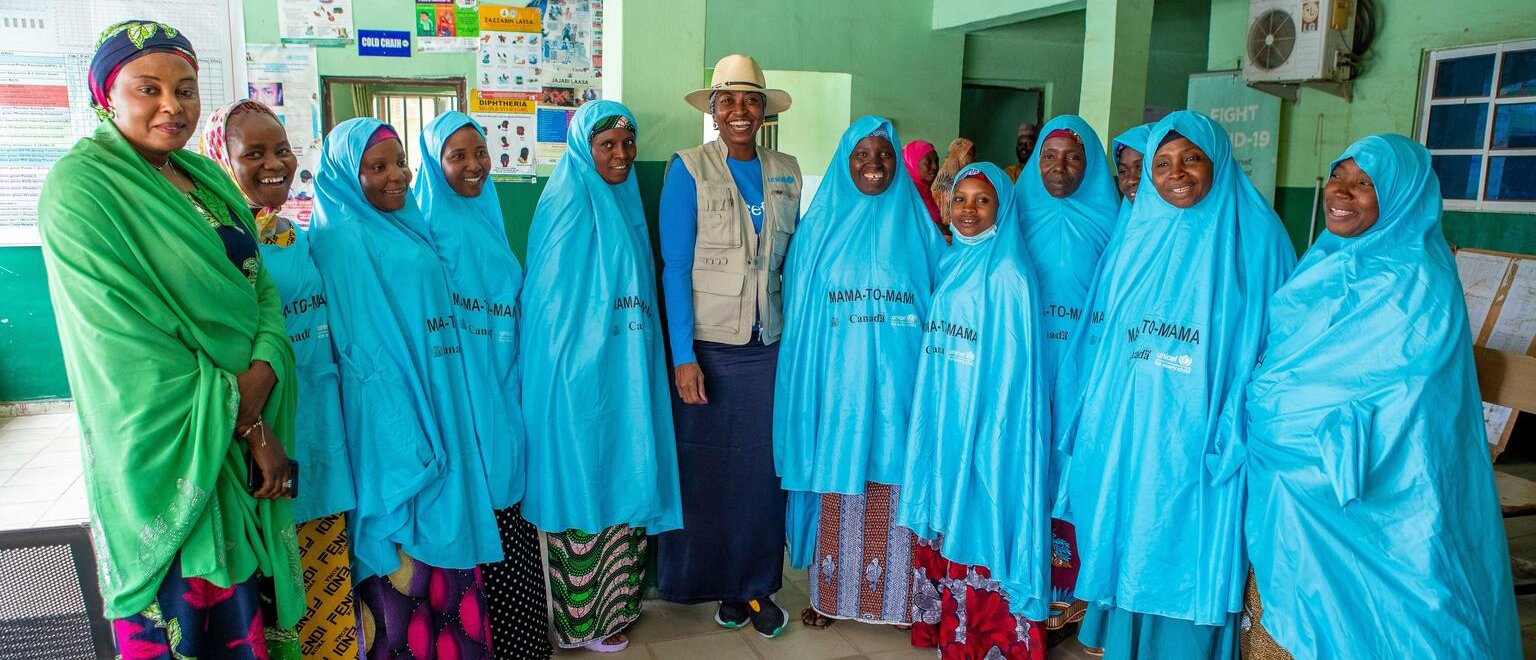
In Northern Nigeria, the Mama2Mama programme engages local mothers as peer facilitators, who walk house-to-house to build health literacy, counter misinformation, and give women practical tools to navigate the household dynamics that shape whether a child gets vaccinated. Meanwhile, the Community Reorientation Women Network (CRoWN) are giving members the economic independence to sustain their roles long after initial funding ends. And a women-led research and evidence-gathering identified and helped design the Fathers for Good Health programme to engage male decision-makers in the household to support vaccination. Learn more about how Nigerian women are closing the vaccination gap
From Bystander to Decision-Maker: DRC’s Quiet Vaccination Revolution
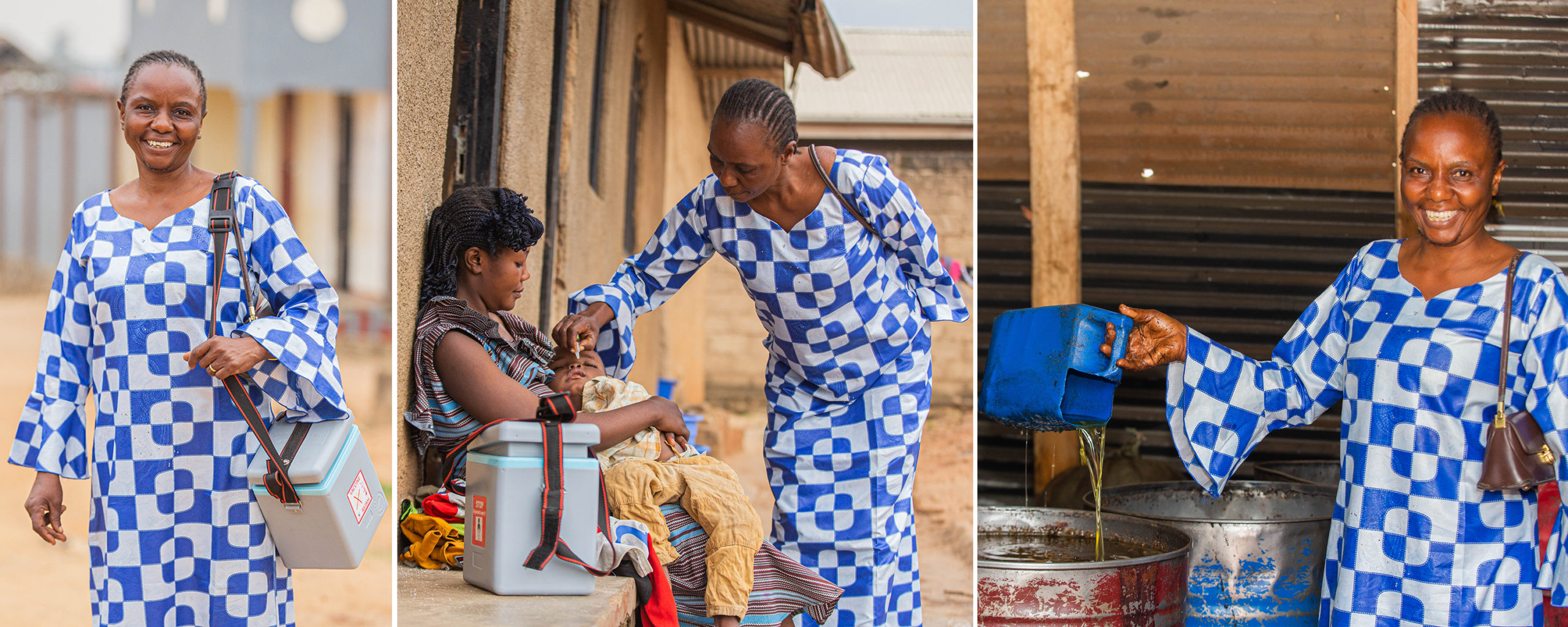
In the DRC, polio cases fell from 115 to just two cases between early 2022 and 2025. The Washindi initiative played a big part in this significant progress. The initiative builds safe spaces where women and adolescent girls can discuss immunization openly, develop health literacy, and grow into community advocates. Women-led organizations combine peer education with economic empowerment, giving members both the knowledge and the financial footing to sustain their roles in community health over time. Women are also taking on formal leadership roles in communities where they plan campaigns, oversee implementation, and create real feedback loops between households and health structures. In provinces like Maniema and Haut-Katanga, where women hold meaningful seats on those committees, vaccination rates have climbed consistently above national averages. The Washindi Initiative also regularly engages men in community dialogues on shared parenting and household decision-making for children’s health and well-being. Learn more about how the DRC is overcoming gender-related barriers to immunization
Ethiopia’s Frontline: The Women Behind One of Public Health’s Greatest Advances
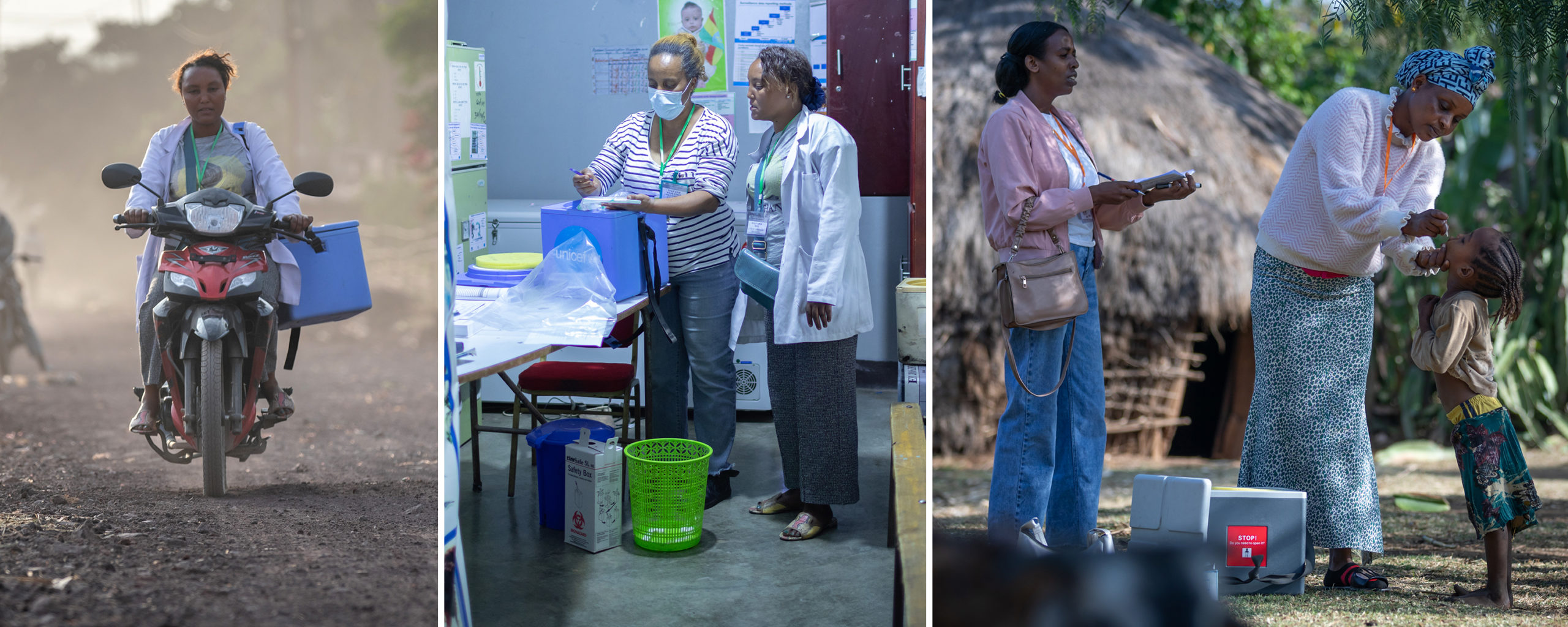
With 3.9 million zero-dose children and one of Africa’s largest active polio outbreaks in recent years, Ethiopia is driving vaccination efforts through a health extension workforce that comprises majority women from their locality as vaccinators and community mobilizers. House-to-house campaigns, the cornerstone of Ethiopia’s approach, are a structural acknowledgment of women’s realities: by removing the need to travel, pay for transport, or negotiate permission to leave home, they meet women on terms that work for their lives. When a child misses their vaccination at the first visit, follow-up visits ensure children in that household is not simply written off. Ethiopia is also tackling the quiet injustice of wage interception head-on, piloting direct digital payments to frontline workers to ensure that women health workers receive their wages themselves and are not redirected to other household members. Two nationwide campaigns in 2025 reached over 110,000 previously unvaccinated children, achieving 90 per cent quality thresholds. Those results belong to the women who delivered them. Learn more about how Ethiopia’s women are leading the fight against polio