PolioNews (PN):
There are sometimes questions about why oral polio vaccine (OPV) is still used in many countries, instead of universal use of the inactivated polio vaccine (IPV). Why is OPV still needed?
Dr Ondrej Mach (OM):
It’s a very reasonable question — and the answer is simple: OPV and IPV do different things.
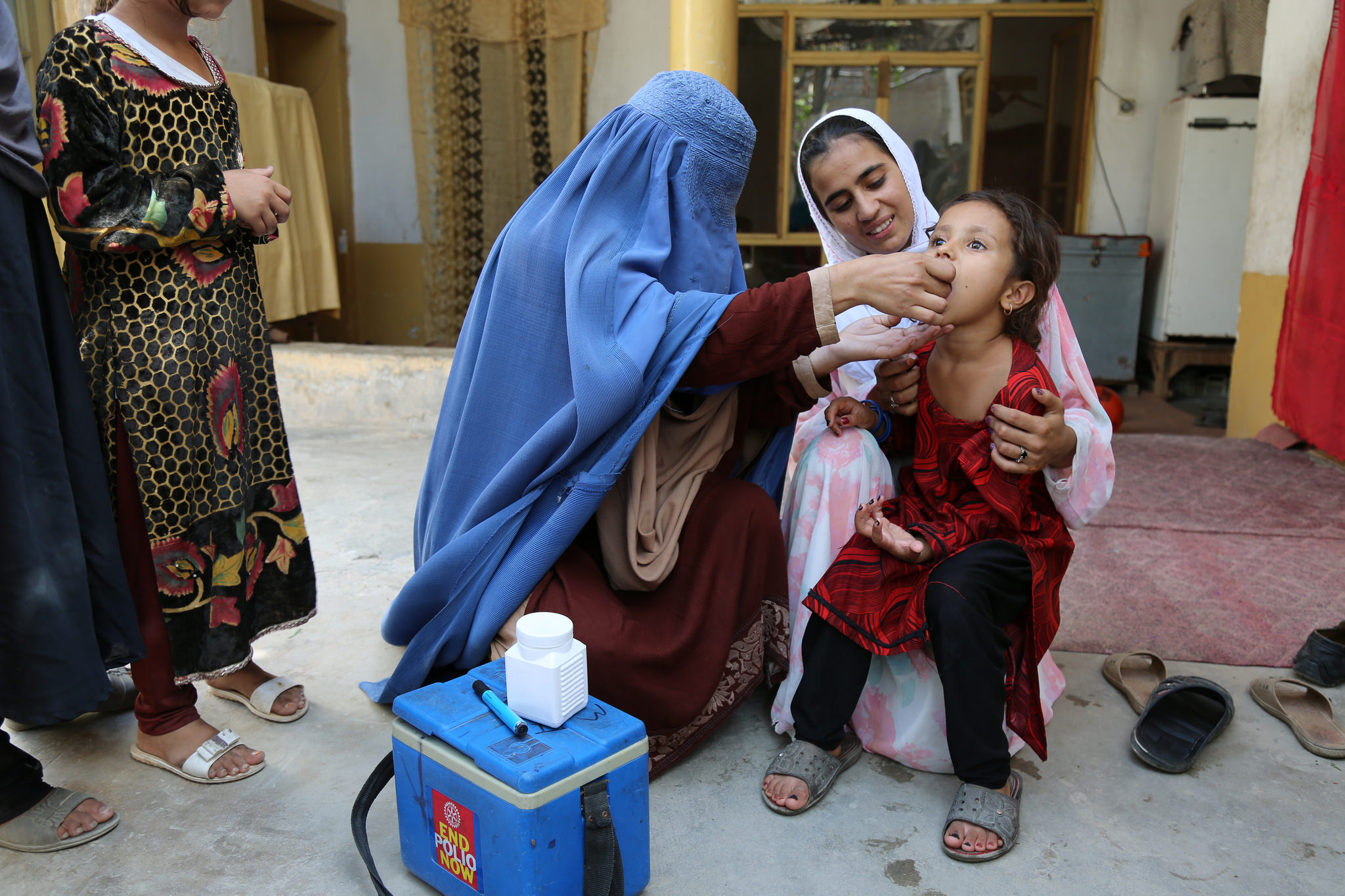
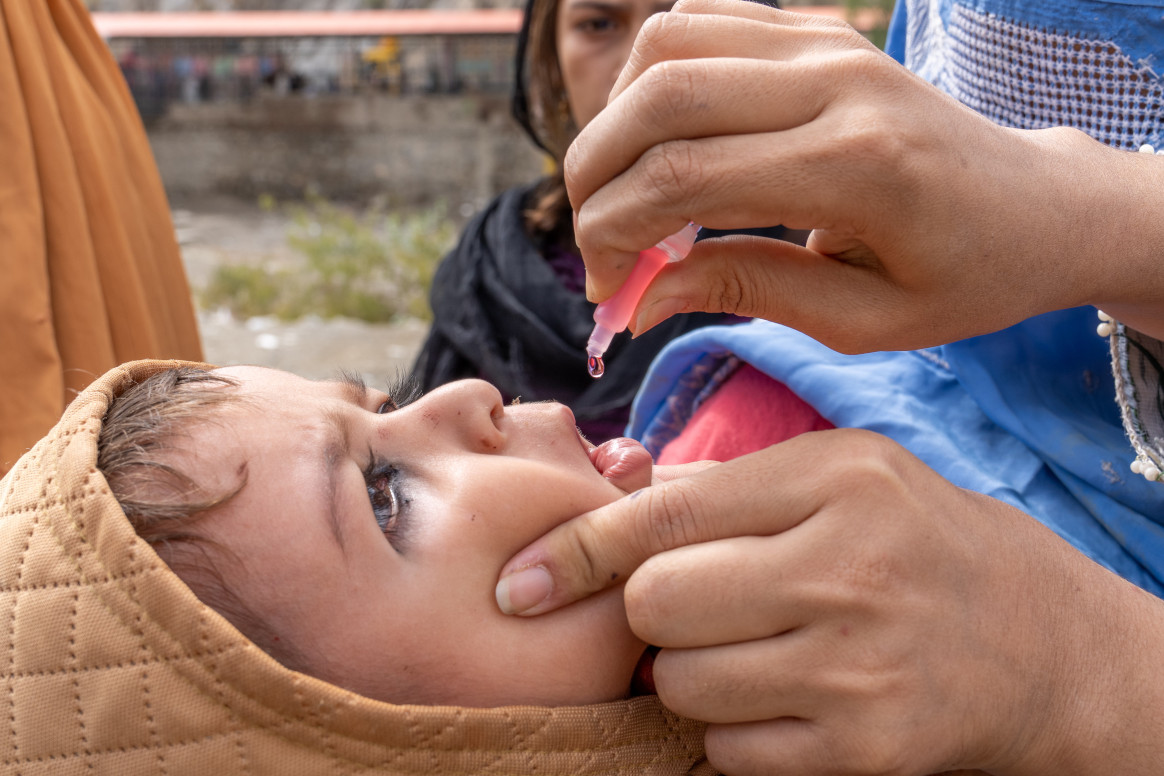
IPV protects the vaccinated individual from paralysis. OPV does that and has a unique ability to induce mucosal immunity, which stops the poliovirus from spreading between people.
In places where the virus is still circulating, or where population immunity is low, interrupting transmission is essential. Without OPV, we cannot do that at scale especially in areas of intense poliovirus circulation. That’s why OPV has been the cornerstone of eradication — and is the reason we have achieved a 99% reduction in global polio cases.
PN:
Some articles argue that OPV should be withdrawn immediately because of the risk of vaccine-derived polioviruses (cVDPVs) or vaccine-associated paralysis (VAPP). How does WHO view that?
OM:
The risks of cVDPVs and VAPP are real — and we take them extremely seriously. But they are also well-understood, and a central part of the eradication strategy is to eliminate those risks permanently by eventually stopping all OPV use worldwide.
The key point is this: Until we interrupt the last chains of wild poliovirus transmission and improve vaccination rates everywhere, OPV usage is essential to keeping children safe. Withdrawing OPV prematurely – before routine immunization levels are strengthened and before remaining WPV strains are eradicated – could actually increase the risk of polio outbreaks.
OPV has prevented an estimated 22 million cases of paralysis and 1.5 million childhood deaths globally. Removing it now would leave millions of children unprotected, particularly in places where injectable vaccines alone cannot yet reach every child consistently.
This is why global immunisation policy groups — including WHO’s Strategic Advisory Group of Experts on imunization (SAGE) — continue to recommend OPV, combined with IPV, as the safest and most effective path to eradication.
PN:
So OPV and IPV aren’t “either/or” tools — they’re complementary?
OM:
Exactly.
In low- and middle-income areas where the virus can still circulate, OPV is essential.
But IPV plays a crucial role too — particularly in protecting individuals and providing long-term immunity once OPV is withdrawn.
In fact, the future is IPV-only globally. But we must get to zero polio first.
PN:
What about the operational challenges? Could countries realistically switch to universal IPV today?
OM:
Universal high-coverage IPV sounds simple, but operationally it is extremely challenging.
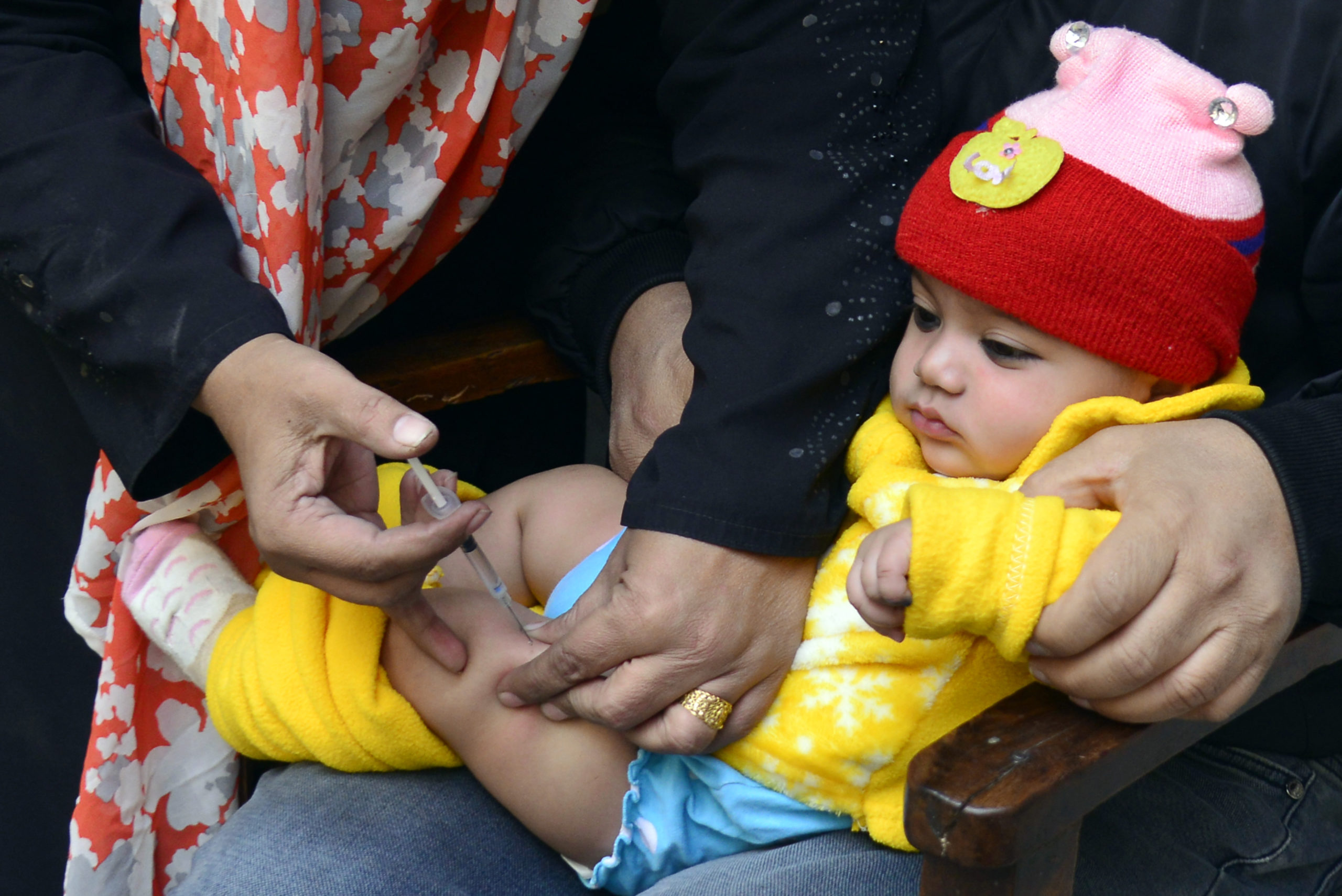
OPV can be given orally, without needles or syringes, by trained community volunteers. IPV requires stronger cold chain capacity, more skilled health workers able to deliver injections safely, and stable access to healthcare facilities.
Even in large, middle-income countries, achieving high IPV coverage is very difficult.
If we removed OPV today, we would see a rapid resurgence of poliovirus in many parts of the world, the epidemiological history shows this very clearly.
PN:
While eradication is underway, what is being done to reduce the risk of cVDPVs?
OM:
A lot — and more than ever before.
- New vaccines:
- We have developed nOPV2, a more genetically stable oral vaccine designed specifically to reduce the likelihood of cVDPV2 emergence.
- Its use has already reduced the risk substantially, leading to a marked decline in new variant polio outbreaks.
- Faster outbreak response:
- Outbreak SOPs have been strengthened to ensure earlier detection and faster, higher-quality response campaigns.
- More IPV:
- We are supporting countries to introduce fractional-dose IPV (fIPV) and hexavalent vaccines as part of strengthened routine immunisation.
- Improved surveillance:
- Environmental surveillance (testing wastewater for the virus) continues to expand — including in Europe — allowing us to detect poliovirus before paralysis occurs.
- Enhanced regional and national lab capacities are prioritizing environmental sample collection and processing, informing faster rapid response activities.
Everything we do is aimed at minimising risks of paralysis while preserving the tools required to reach eradication.
PN:
So to summarise — OPV remains essential now, but the long-term plan is to stop using it completely?
OM:
Correct. The GPEI’s goal is to permanently remove the need for OPV, once eradication is achieved.
OPV brought us to the threshold of eradication. IPV will preserve that achievement. But we cannot reach a polio-free world without OPV in the final race.
PN:
Any final thoughts for readers?
OM:
Yes — a simple one. Every child, everywhere, deserves protection from paralysis — whether they live in Zürich or in a remote community in Somalia.
Once eradication is achieved, OPV will be phased out forever. But until then, using OPV and IPV together remain the safest, most scientifically sound, and most ethical strategy to protect children everywhere.