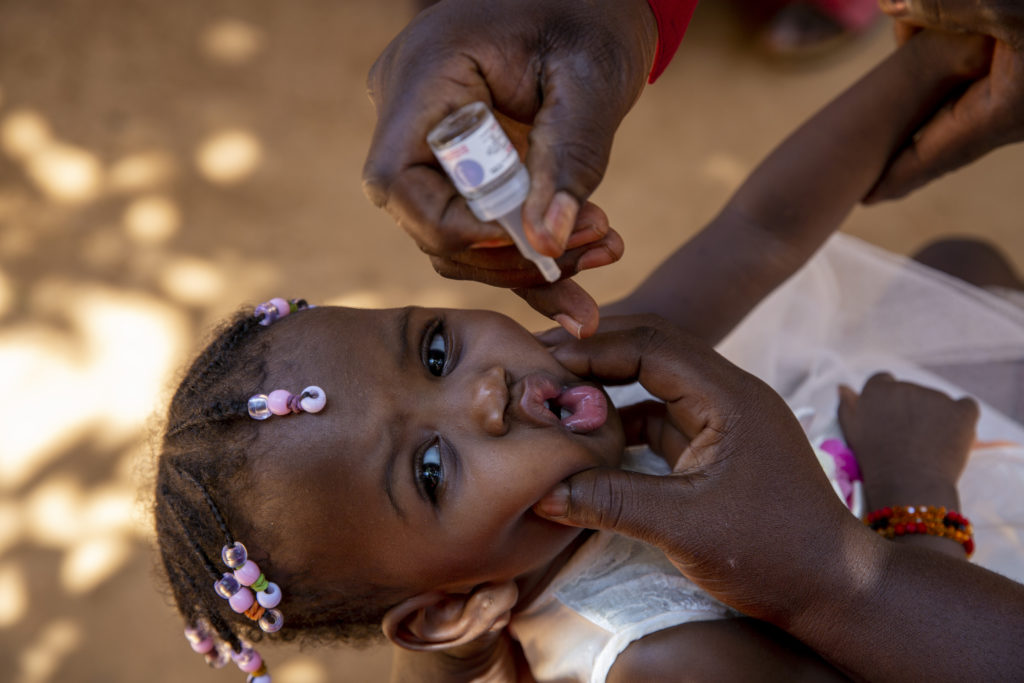
Geneva, Switzerland, 4 February 2026 —WHO Member States have reaffirmed their collective commitment to finishing polio eradication, following extensive discussions at this week’s WHO Executive Board. Coming after the global pledging moment hosted in Abu Dhabi in December 2025, the deliberations sent a clear signal: the world remains united behind the goal of a polio-free future.
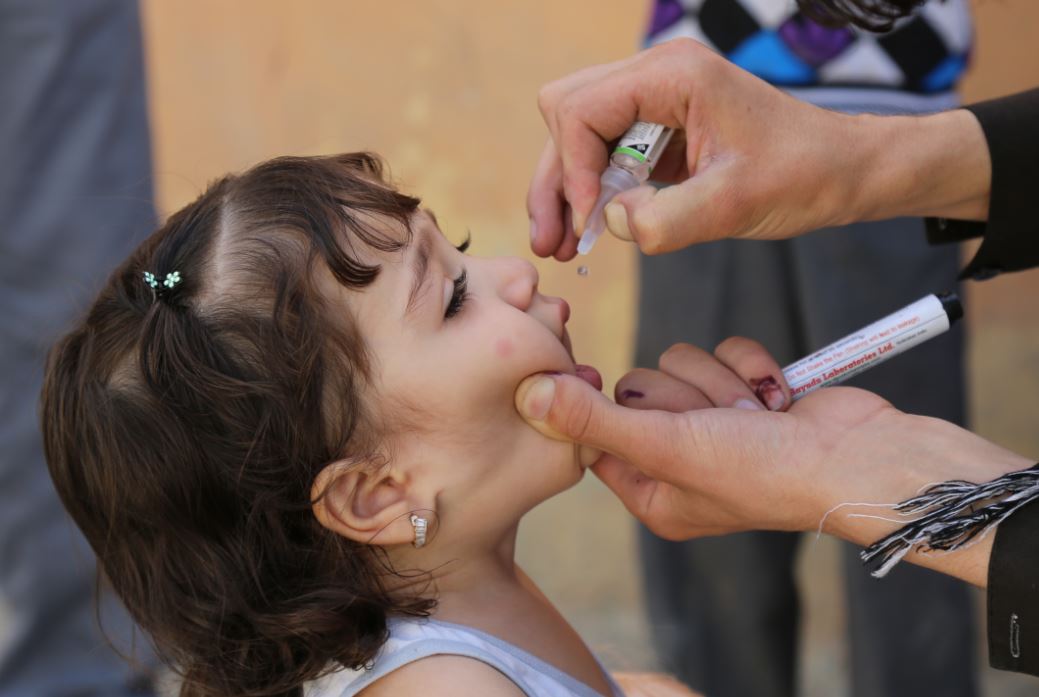
Opening the EB, WHO Director-General Dr Tedros Adhanom Ghebreyesus said: “Vaccines are bringing us closer to the eradication of polio, with 41 cases of wild polio reported last year from just 24 districts in Pakistan and Afghanistan, down from 99 cases in 49 districts in 2024.”
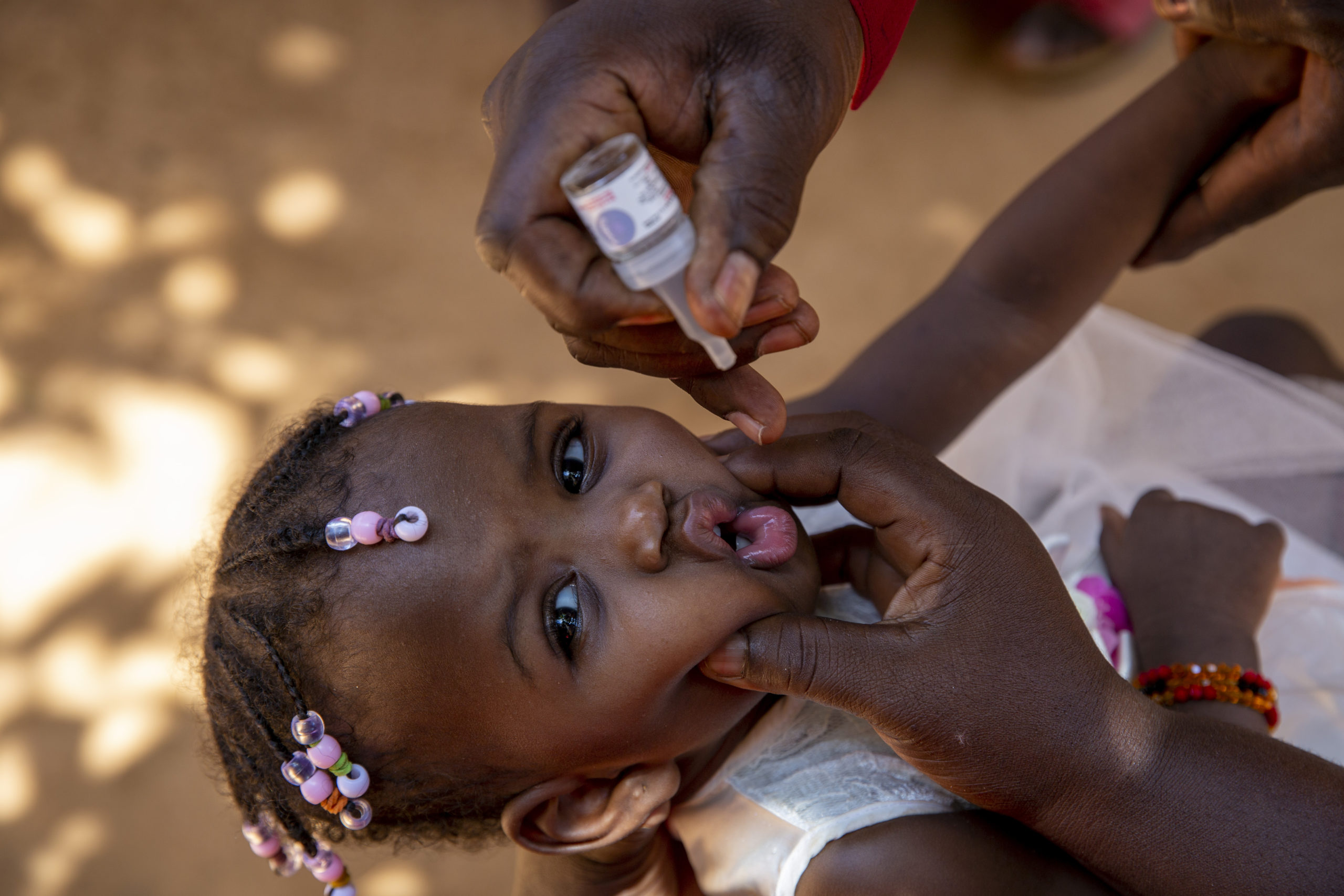
During the Board’s consideration of the Global Polio Eradication Initiative (GPEI) report, ministers and delegates welcomed the continued progress toward interrupting the last remaining chains of wild poliovirus transmission in Pakistan and Afghanistan, while underscoring the importance of sustaining momentum to stop outbreaks of circulating variant polioviruses worldwide.
Dr Razia Pendse, Chef de Cabinet, WHO, thanked Member States for their leadership and support: “After more than three decades, polio eradication is within reach. The past year has reinforced that polio eradication is not only a technical challenge — it is a geopolitical one. The outbreak response in Gaza demonstrated this clearly. I would like to thank Member States for their engagement in bringing the world to the threshold of being polio-free. We know what works. We have the tools. And with your continued leadership, we can ensure that polio becomes only the second human disease in history to be eradicated — forever.”
Regional leadership and frontline dedication
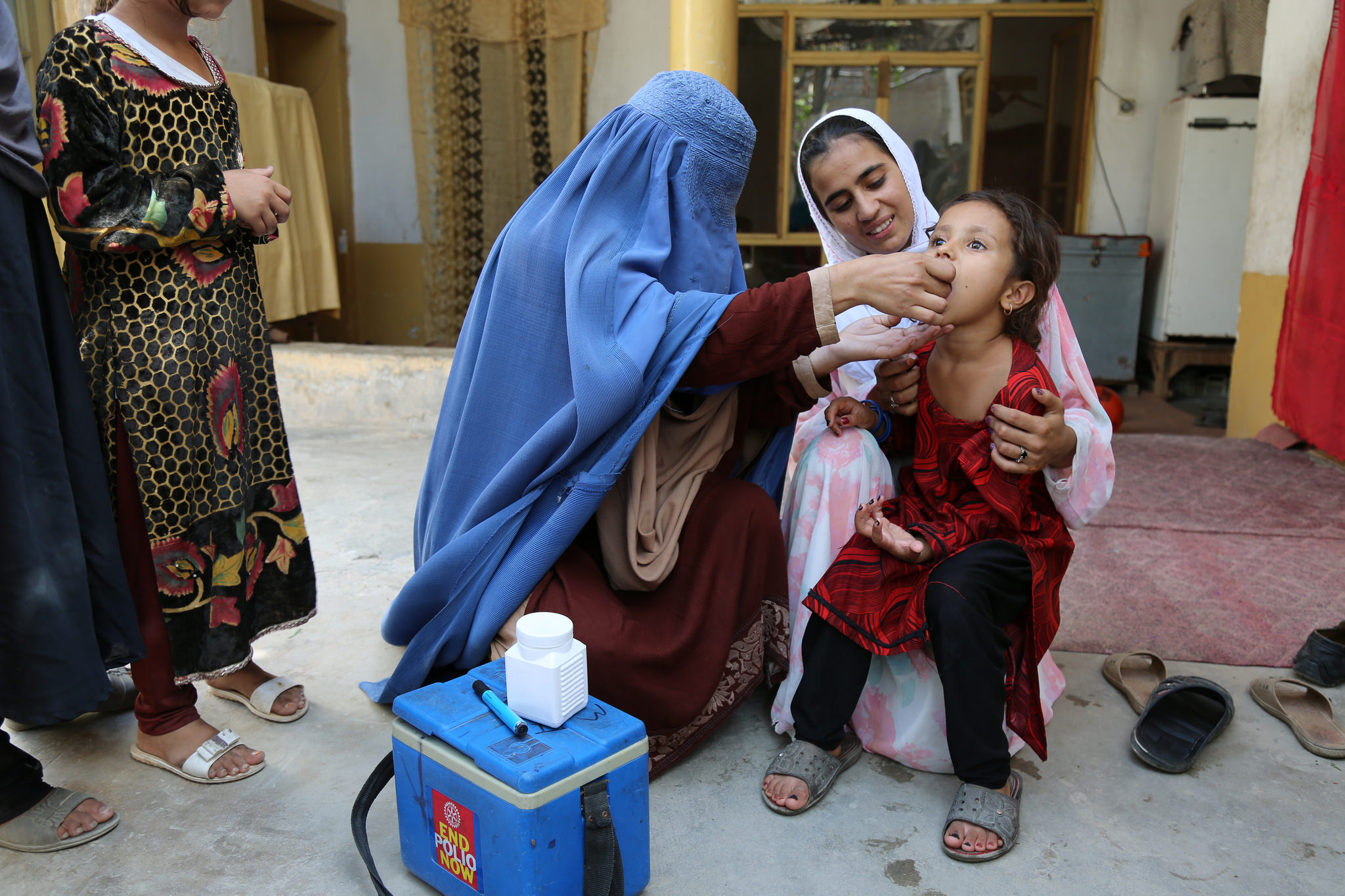
The Eastern Mediterranean Region, home to the last reservoirs of endemic wild poliovirus, featured prominently in the discussions. Member States commended the leadership of Pakistan and Afghanistan and paid tribute to the thousands of frontline health workers, in particular female frontline health workers, who continue to operate in some of the most challenging and insecure environments.
Addressing the Board, WHO Regional Director for the Eastern Mediterranean Dr Hanan Balkhy highlighted the determination of countries and communities across the region: “We are strengthening cross-border collaboration between Pakistan and Afghanistan, supported by structured regional oversight and continued high-level engagement through the Pakistan-Afghanistan Health Dialogue and the Polio Legacy Challenge. Regional solidarity remains strong on the diplomatic end with the support of the United Arab Emirates, Kingdom of Saudi Arabia and Qatar, and we are thankful for the most recent mobilization of US$ 1.9 billion and resource mobilization from new donors.”
Adapting to a changing global context
Member States welcomed the GPEI Action Plan 2026, which sets out how the programme will adapt to a changing geopolitical and financial landscape by prioritizing efficiency, sharpening risk-based outbreak response, and accelerating efforts in the highest-risk settings.
Delegates also provided guidance on finalizing Sustaining a Polio-Free World: A Strategy for Long-Term Success, emphasizing the importance of planning now to protect eradication gains and transition polio assets to support broader public health priorities.
Global partnership and shared responsibility
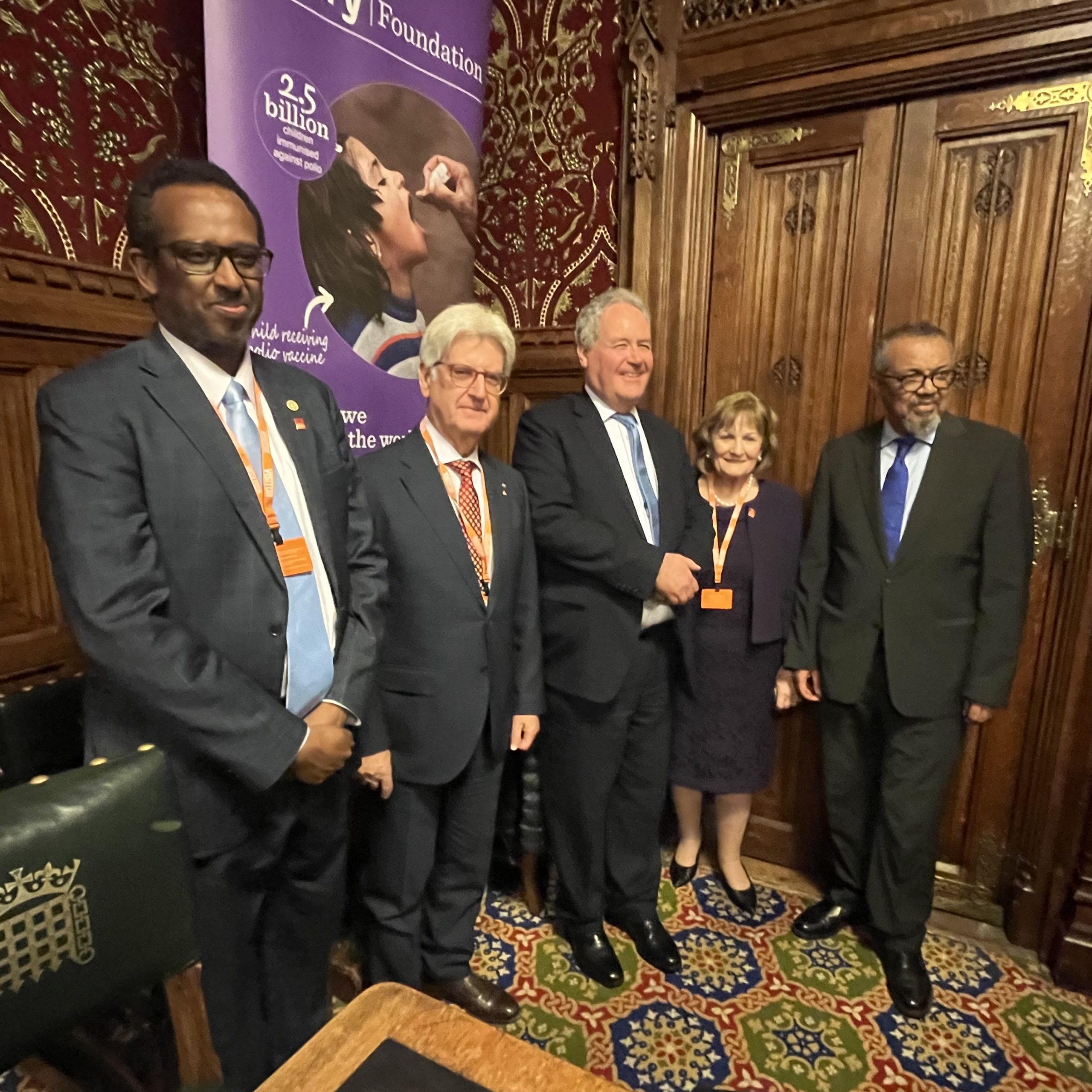
The Board discussions built on the momentum generated by the recent pledging moment in Abu Dhabi, hosted by the United Arab Emirates, which brought together governments, civil society, philanthropies and partners in a renewed display of global solidarity.
Civil society partners, including Rotary International, were also recognized for their enduring role in advocacy, community engagement and accountability. “Polio eradication remains a powerful and increasingly rare example of enduring collaboration toward a shared priority,” commented Judith Diment, Vice Chair International PolioPlus Committee, Rotary International. “We thank countries that pledged continued support in 2025 and call on all donors and stakeholders to sustain commitment – to secure a polio-free world for generations to come.”
“We commend Member States, the Global Polio Eradication Initiative, and all partners on continued progress towards eradication, as well as efforts to ensure that polio infrastructure is effectively transitioned to sustain polio gains and provide broader health benefits,” said Patricia Chacon, Director, Global Health, UN Foundation. “We call on Member States to provide the necessary resources to achieve a polio-free world – to fulfil our promise to the next generation and to enable critical investment in a healthier and safer world,” she concluded.
Finishing the job
As the Executive Board concluded its discussions, Member States reaffirmed that eradicating polio remains a shared global responsibility — and a critical investment in global health security. With proven tools, strong surveillance, and one of the most effective partnerships in public health history, the message from Geneva was clear: the world knows how to end polio — and remains committed to doing so.