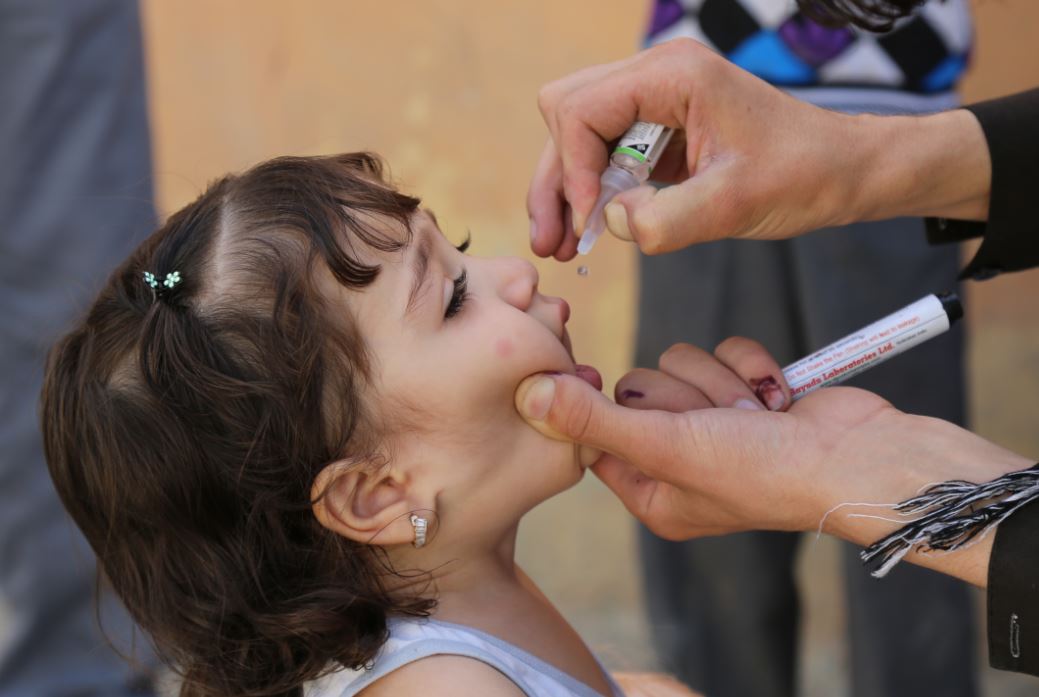
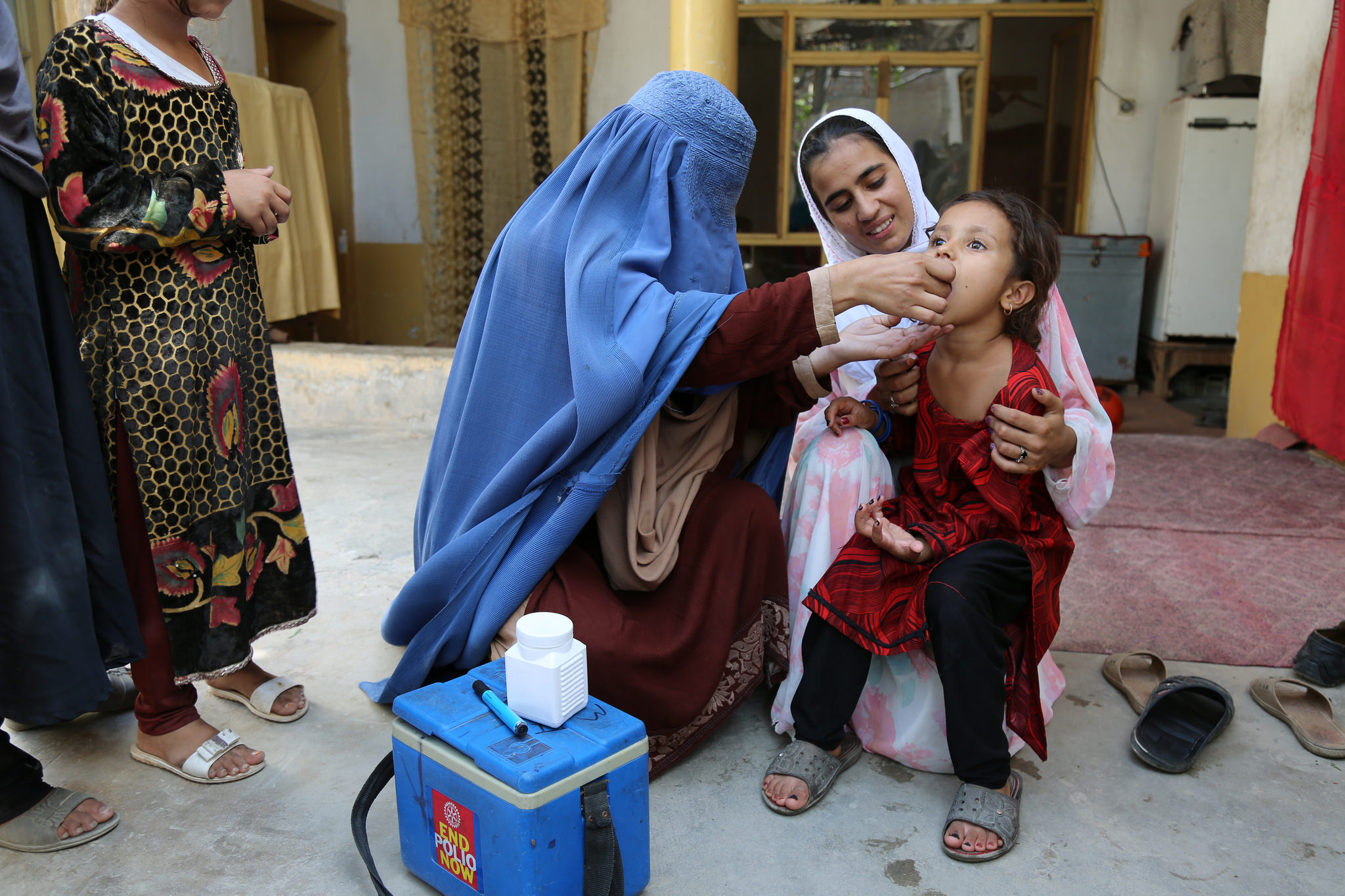
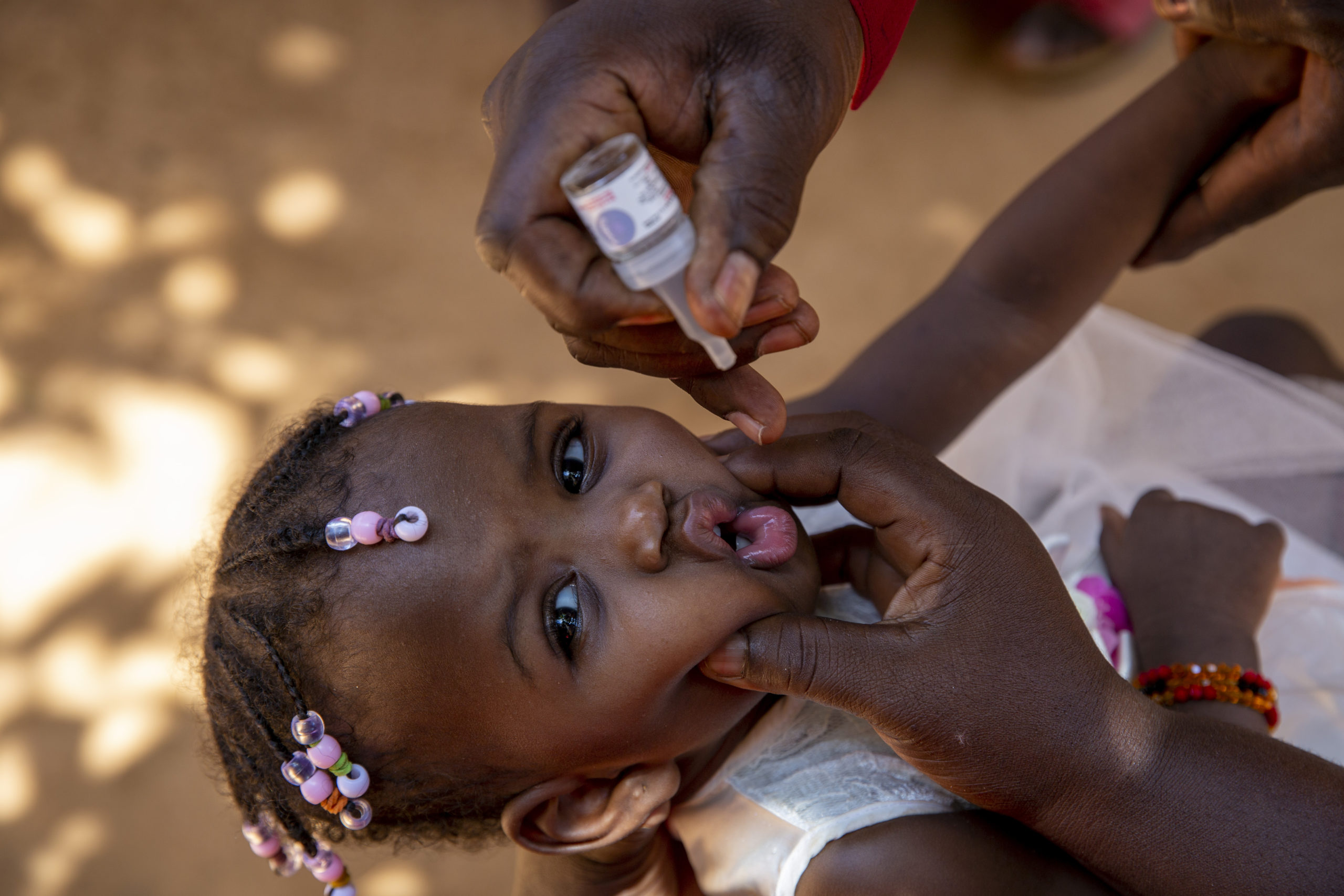
KABUL, 10 February 2026 – The Government of Japan, through the Japan International Cooperation Agency (JICA), has provided US$6.3 million to UNICEF to renew its partnership on polio eradication and strengthen routine immunization across all 34 provinces of Afghanistan. The 12-month initiative aims to reach over 12 million children under five with lifesaving polio vaccines for supplementary immunization activities and routine immunization services.
Afghanistan is one of the last two countries where polio still threatens children’s lives. Progress is being made, with cases of wild poliovirus falling from 25 in 2024 to ten as of December 2025. But as long as the virus continues to circulate in high-risk areas, every missed vaccination leaves children vulnerable and puts hard-won gains at risk. Sustained, uninterrupted immunization is essential to protect every child and finally end polio in Afghanistan and globally.
This urgency has been further intensified by overlapping humanitarian pressures, including the August 2025 earthquakes, which damaged health facilities and disrupted essential systems and services. In addition, the return of millions of people to Afghanistan, many of them children with limited or interrupted access to essential healthcare, predisposes them to vaccine preventable diseases including polio, measles, whooping cough etc. Together, these shocks increase the risk of intense poliovirus transmission at a critical moment for global polio eradication, making a continuous and predictable vaccine supply essential to protect recent gains and prevent setbacks.
“The Government and people of Japan remain firmly committed to supporting polio eradication in Afghanistan,” said Kenichi Masamoto, Ambassador of Japan to Afghanistan. “Building on more than two decades of partnership with UNICEF, Japan is proud to continue contributing to reliable vaccine supply that protects children’s lives. At this critical moment, maintaining continuity in supply is essential to safeguarding recent progress and ensuring no child is left unprotected.”
“JICA is pleased to renew its partnership with UNICEF through this important initiative,” said Mr. Sota Tosaka, Chief Representative of JICA Afghanistan. “We have supported Afghanistan’s health sector since 1974, and for more than two decades we have worked closely with UNICEF to strengthen immunization systems, including vaccine supply and cold chain capacity. We strongly believe this renewed support will contribute to polio eradication and improve the health and well-being of Afghan children.”
This contribution will support the procurement and delivery of oral polio vaccines through routine immunization services and supplementary immunization activities. Over 12 months, these efforts will strengthen equitable access to immunization in hard-to-reach and underserved areas and build the immunity needed to stop the spread of poliovirus, in line with the aspirations of Afghanistan’s polio eradication programme.
“Ending polio in Afghanistan is within reach, but it will only happen if every child is reached, every time,” says Andrea James, UNICEF Deputy Representative in Afghanistan. “The continued support of the Government and people of Japan helps make this possible by ensuring vaccines reach the most vulnerable children, including those in the hardest-to-reach communities. With sustained commitment and uninterrupted immunization, we can protect children and end polio for good in Afghanistan.”
Japan has been a key partner of UNICEF in Afghanistan for more than two decades, supporting vaccine procurement, cold chain systems and immunization programmes. UNICEF expresses its deep appreciation to the Government and people of Japan for their enduring commitment to the health, wellbeing and future of children in Afghanistan, helping protect them from preventable diseases and giving families hope that their children can survive, grow and thrive, even amid overlapping crises.
Originally posted on the UNICEF website.