Geneva, Switzerland, 2 December 2025 – The Boards of Gavi, the Vaccine Alliance (Gavi) and the Global Polio Eradication Initiative (GPEI) convened to further strengthen collaboration and accelerate progress toward shared goals: reaching zero-dose and under-immunized children with critical vaccines and achieving polio eradication.
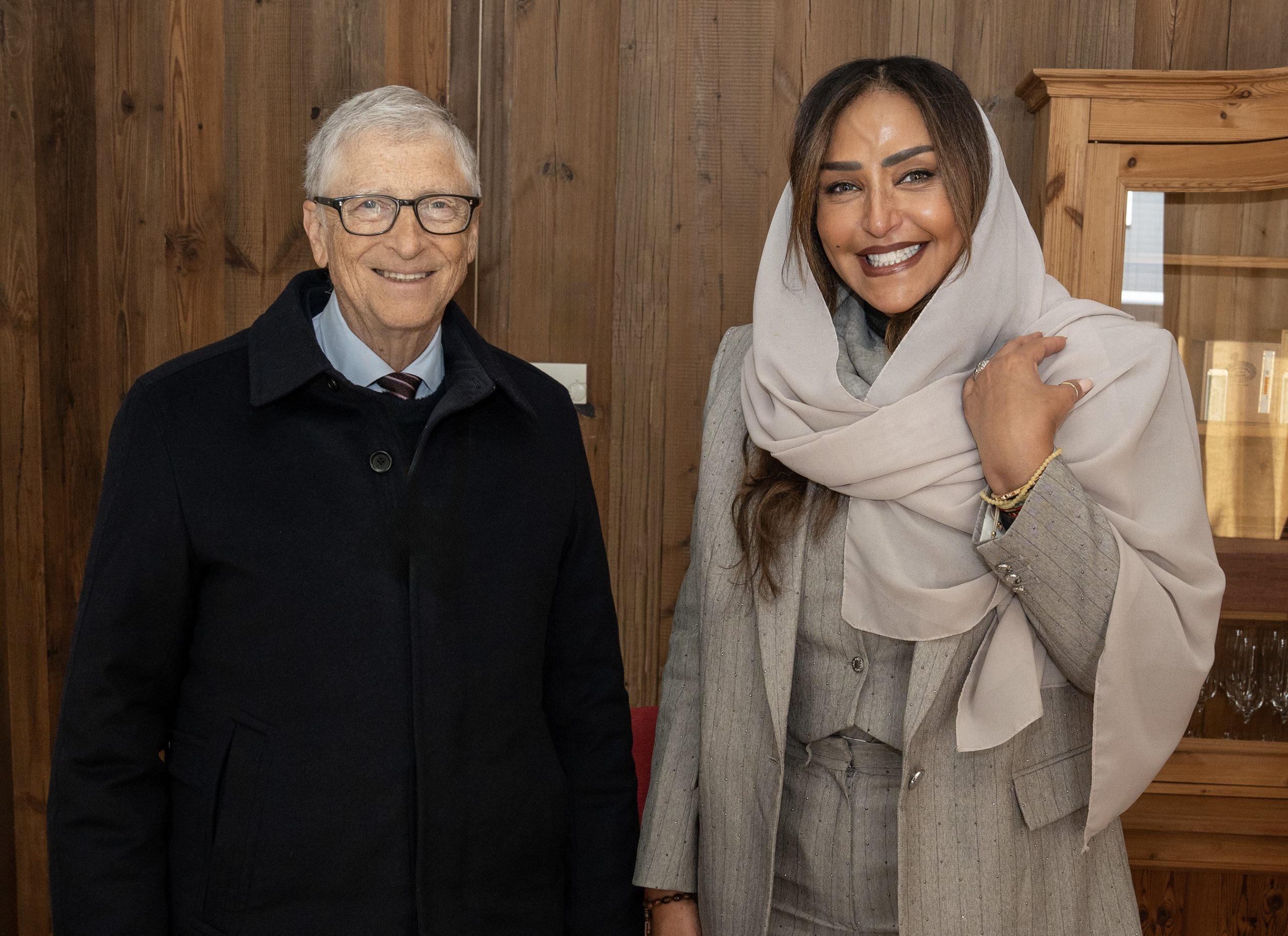
Dr. Omar Abdi (Vice Chair, Gavi Board) and Dr. Chris Elias (Chair, Polio Oversight Board of GPEI) co-chaired the second joint session along with board members from both partnerships (Gavi, GPEI), including representatives from donor and implementing countries, civil society organizations, the Gates Foundation, the World Health Organization (WHO), Rotary International and UNICEF.
The group discussed progress since the last joint meeting on 19 June 2025, focusing on the implementation of more systematic and comprehensive approaches to integration efforts during and outside of campaigns, as well as improving routine immunization coverage of bivalent oral polio vaccine (bOPV), inactivated polio vaccine (IPV), and hexavalent vaccine. Additionally, Gavi and GPEI partners have worked with the Essential Programme on Immunization (EPI) and national immunization programs to expand coordination on planning and delivery of integrated services, including the rollout of joint campaigns to protect against measles and polio.
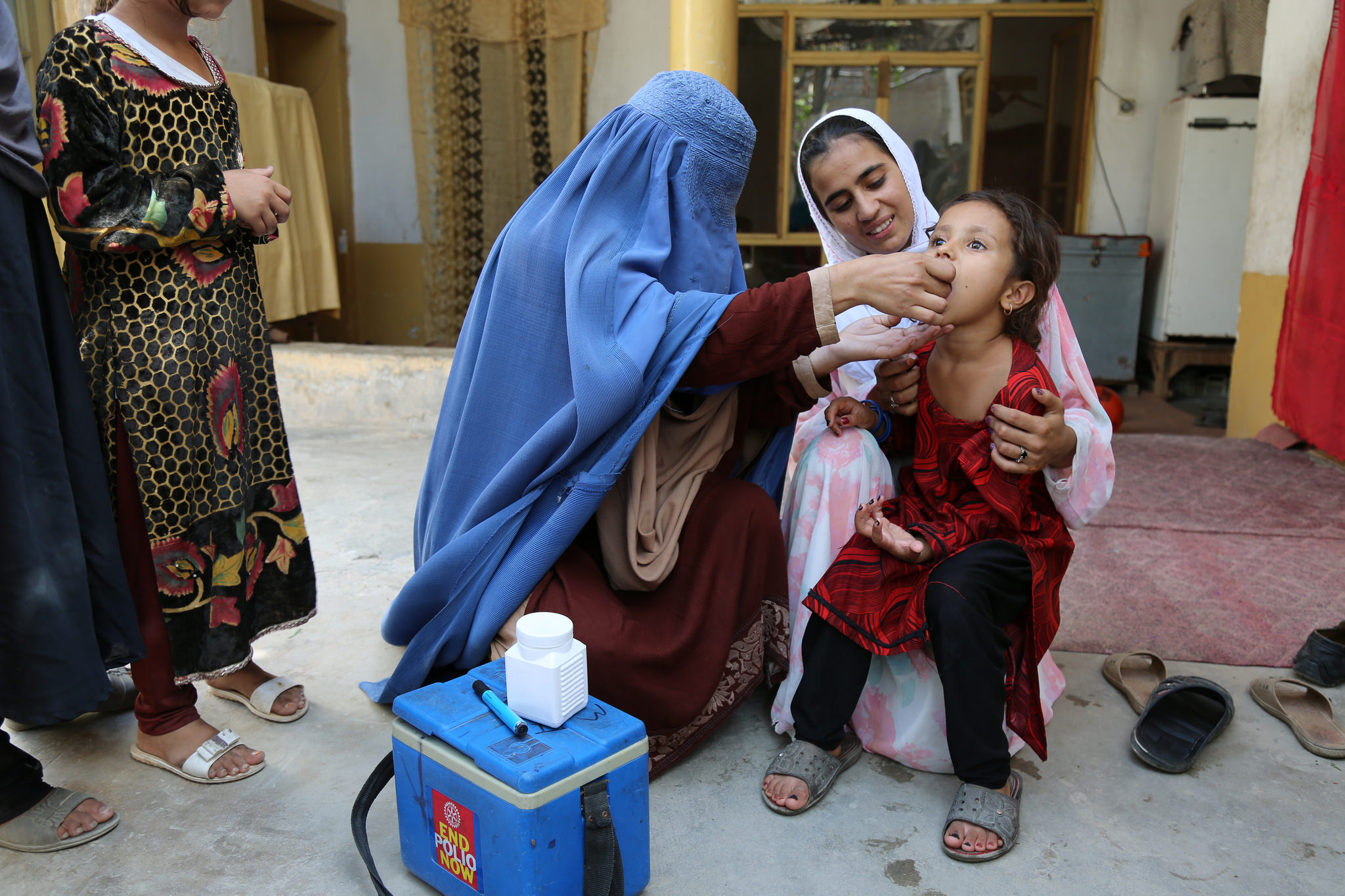
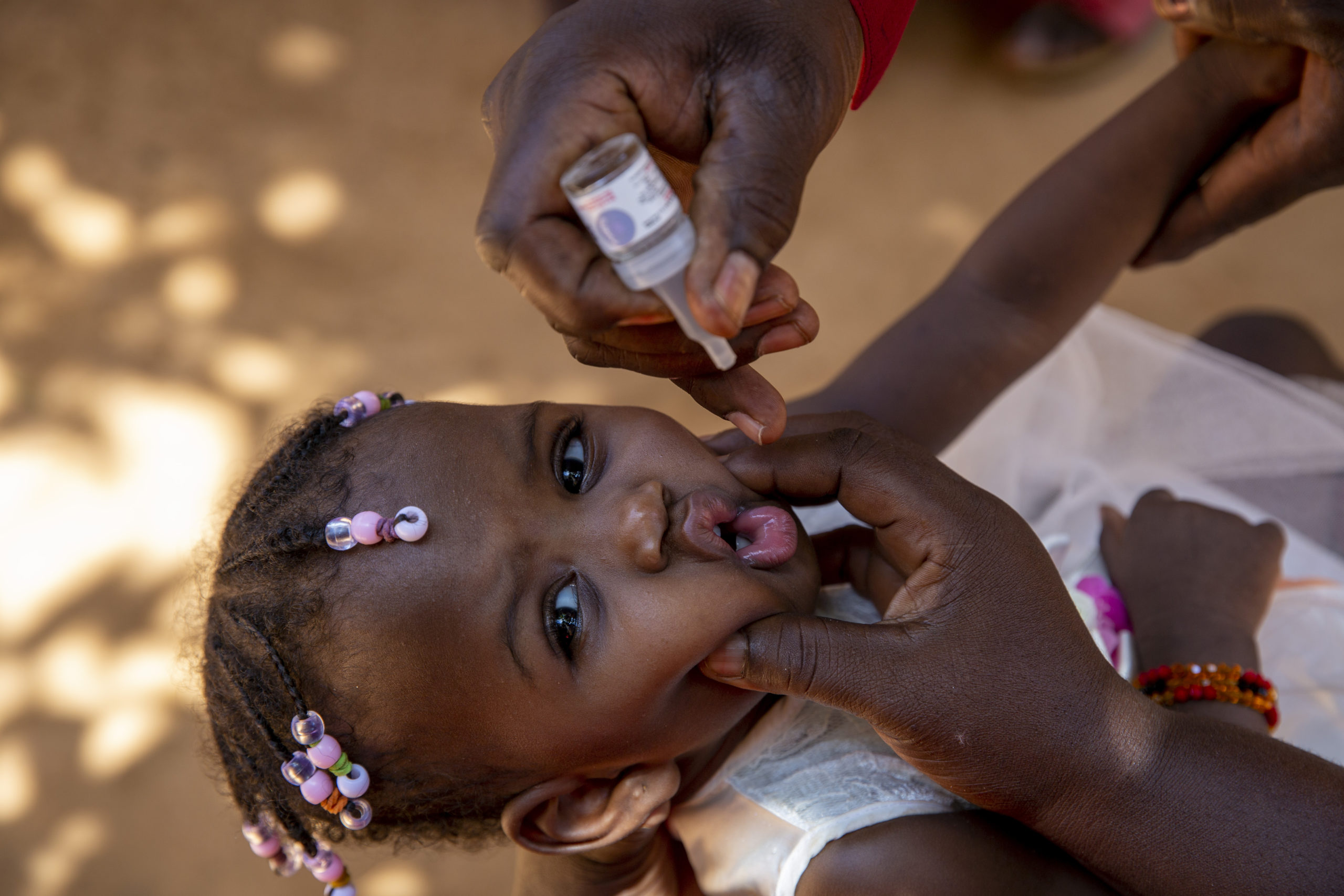
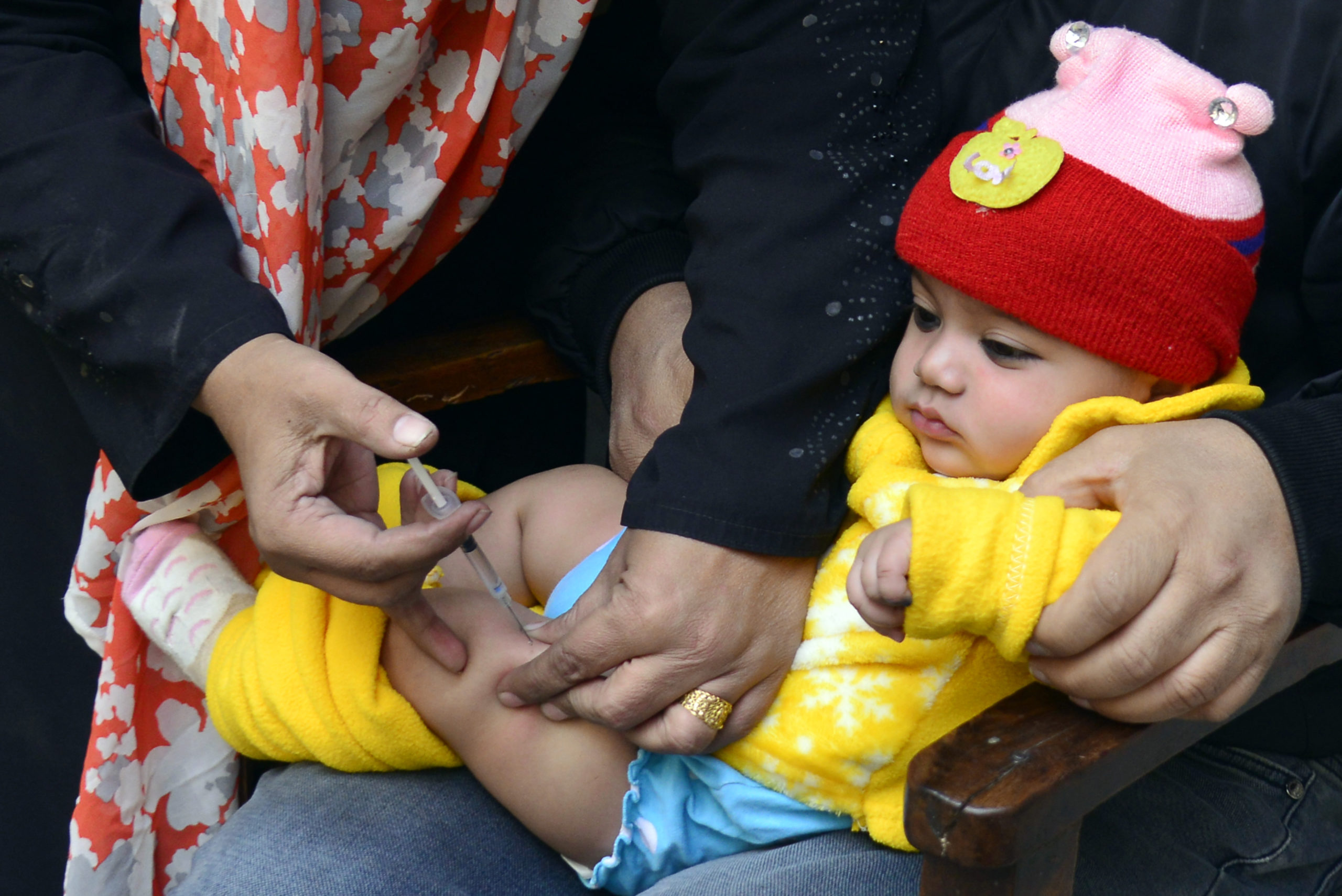
Country representatives shared updates from Nigeria and Pakistan, where integrated vaccination efforts are helping to strengthen routine immunization systems while responding to poliovirus outbreaks in some of the world’s most challenging operating environments. In October, Nigeria launched the first phase of a large-scale integrated nationwide campaign, aiming to protect around 106 million children total against polio, measles, and rubella. Pakistan similarly conducted a joint polio and measles-rubella vaccination campaign in November, targeting 34 million children across 89 high risk districts with protection against multiple diseases. The Boards reviewed early outcomes from these efforts and agreed on next steps to deepen coordination in areas where children face the greatest barriers to vaccine access.
Onei Uetela (Civil Society Organization Representative, Gavi Board) highlighted the importance of continued relationship building with civil society organizations, ensuring community engagement remains at the center of integration efforts. The Boards also recognized continued donor contributions for vaccine procurement through flexible funding mechanisms.
Gavi Alliance and GPEI’s continued collaboration reflects a shared commitment to ensure that every child, no matter where they live, has access to life-saving vaccines and the health systems needed to sustain them.
Outside of the joint Board sessions, a leadership group comprising members from Gavi, GPEI, WHO, UNICEF, the United States Centers for Disease Control and Prevention (CDC), Rotary International, and other partners will continue to meet regularly to provide ongoing guidance and maintain coordination across initiatives.
About Gavi, the Vaccine Alliance
Gavi, the Vaccine Alliance is a public-private partnership that helps vaccinate more than half the world’s children against some of the deadliest diseases through access to new and under-used vaccines. As a core partner of the GPEI, Gavi supports countries to introduce inactivated polio vaccine (IPV) into essential immunization programs to boost population immunity and help prevent new outbreaks. This work is critical to sustain a polio-free world.
About Global Polio Eradication Initiative (GPEI)
GPEI is a public-private partnership led by national governments and the core partners of the GPEI – WHO, Rotary International, CDC, UNICEF, the Gates Foundation and Gavi – that has reduced the number of children paralyzed by polio by 99% since 1988 through far-reaching vaccination campaigns and extensive disease surveillance networks. But many of the places where polio remains today like northwestern Nigeria and northwestern Pakistan are also home to some of the largest populations of children who have received no vaccines of any kind (‘zero-dose’). In these settings, the GPEI’s campaigns are often families’ only connections to the formal health system and are key to addressing critical gaps in coverage. Therefore, the program often works with Gavi and broader immunization partners to deliver other life-saving vaccines alongside polio vaccines when possible. It also deploys its extensive network of trained social mobilizers and trusted community leaders to help increase uptake of all vaccines.