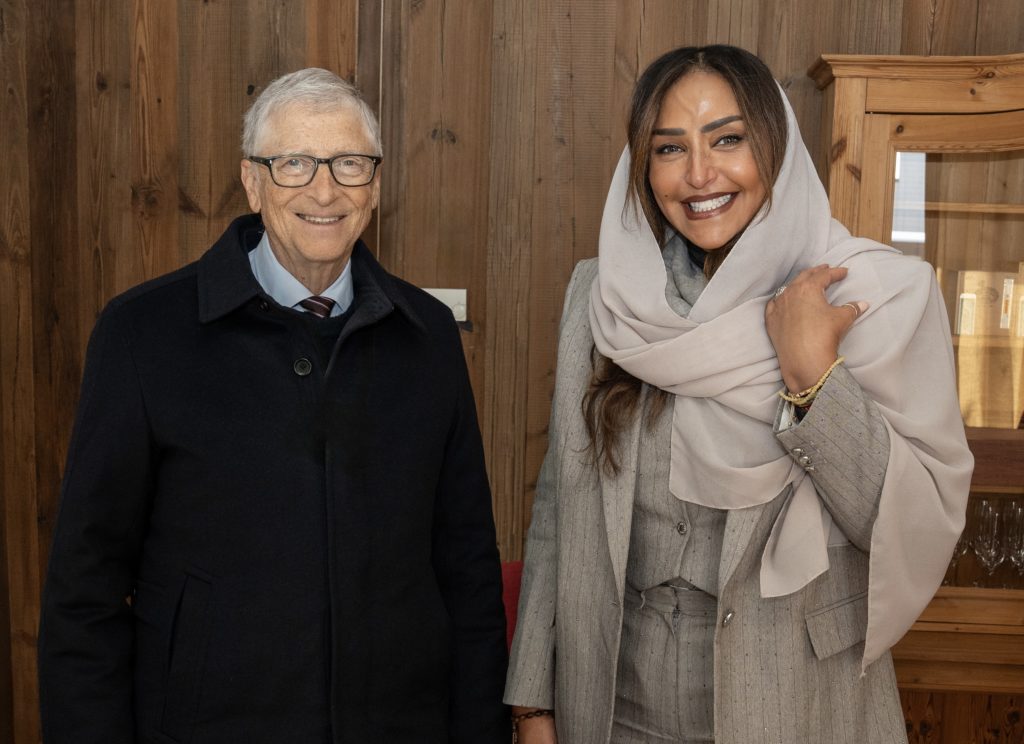
Davos, Switzerland (22 January) The Global Polio Eradication Initiative (GPEI) welcomed a new US$15 million commitment from Alwaleed Philanthropies Global today, announced by Bill Gates, Chair of the Gates Foundation, and HRH Princess Lamia Bint Majed Al Saud, Secretary General of Alwaleed Philanthropies during the World Economic Forum Annual Meeting 2026 in Davos, Switzerland.
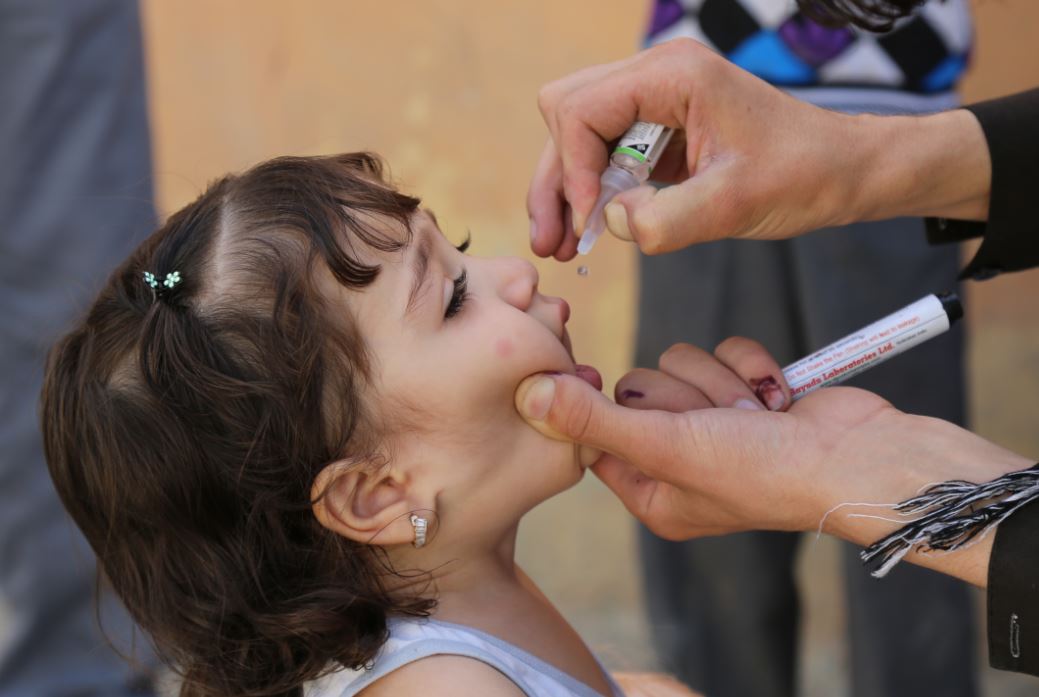
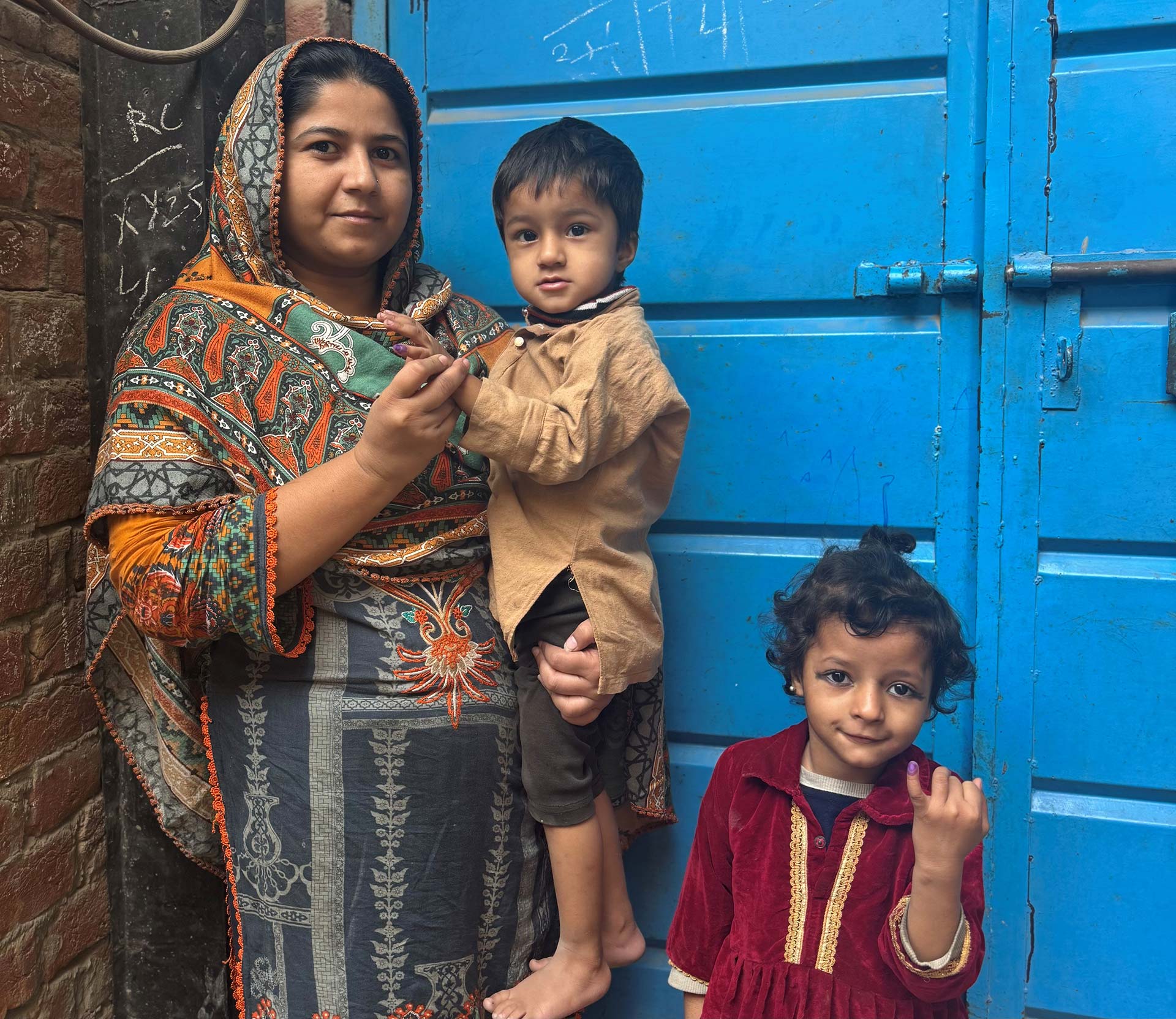
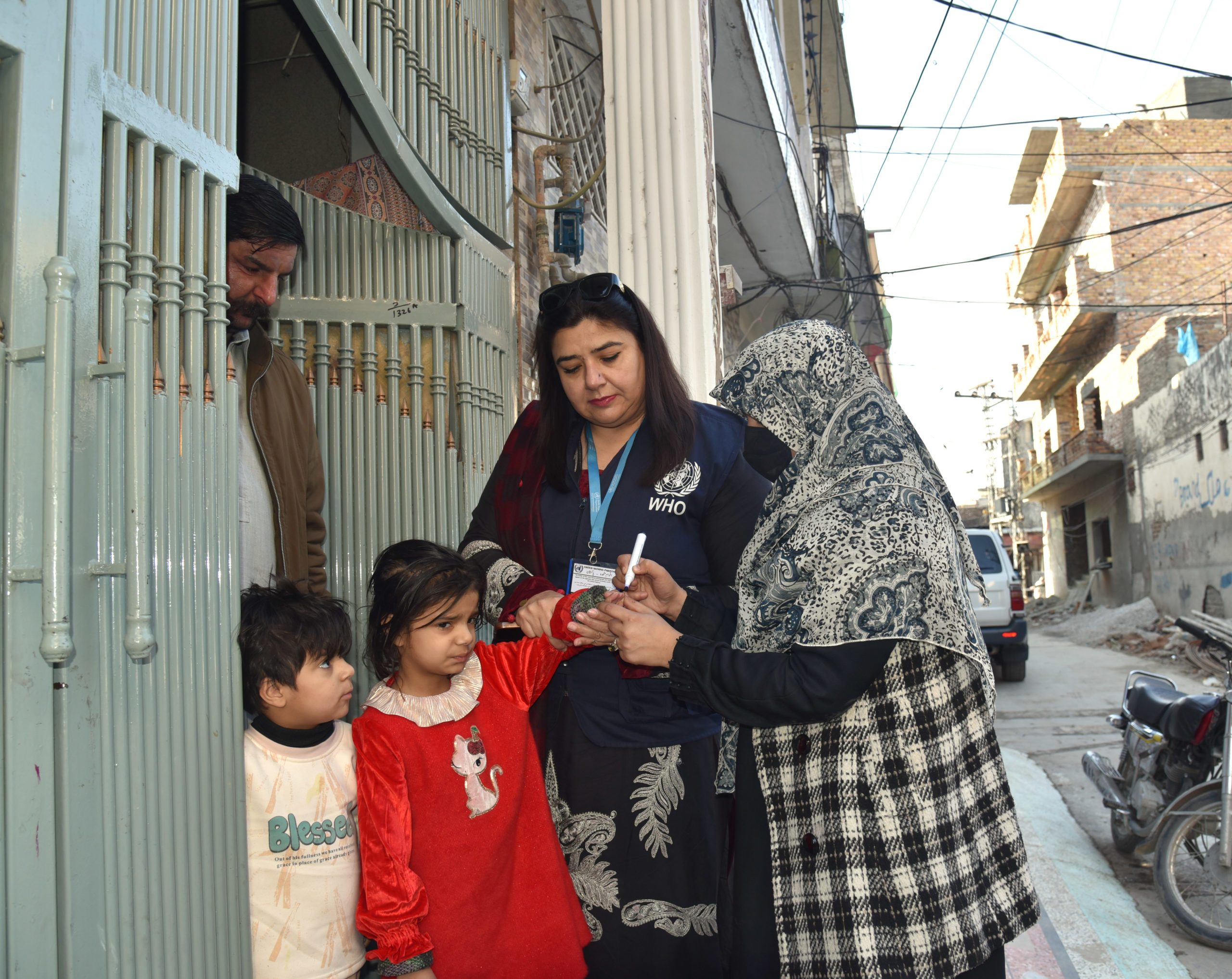
The new contribution– committed through Gates Philanthropy Partners over a three-year period– will support frontline vaccination campaigns, disease surveillance, and rapid outbreak response, helping the programme reach children in the most fragile and conflict-affected settings.
The contribution comes at a pivotal moment for the global effort to end polio, as the programme intensifies operations in the last remaining endemic countries and responds to outbreaks worldwide. With cases of wild poliovirus now confined to just two countries – Afghanistan and Pakistan, sustained political leadership and financing remain essential to protect hard-won gains and ensure that no child is left behind.
Bill Gates, Chair of the Gates Foundation, said:
“Polio eradication is within sight, but the last mile is the hardest. Alwaleed Philanthropies’ latest commitment is exactly the kind of leadership the world needs to build a future where no family has to live in fear of polio paralyzing their child.”
HRH Princess Lamia Bint Majed Al Saud, Secretary General, Alwaleed Philanthropies, said:
“This commitment builds on Alwaleed Philanthropies’ long-standing support for global health and its partnership with the Global Polio Eradication Initiative, reinforcing the critical role of philanthropy in addressing some of the world’s most complex public health challenges.”
Mike McGovern, Chair, Polio Oversight Board, said:
“This new pledge comes at a decisive moment for polio eradication. We know where the virus is spreading and we have the tools to keep children safe. Generous and sustained support like this enables us to reach children who remainbeyond the reach of basic health services and to protect the extraordinary progress made over the past four decades.”
Launched in 1988, the Global Polio Eradication Initiative, led by national governments and supported by its core partners, has reduced polio cases by more than 99 percent and protected over 20 million people from paralysis. WHO and UNICEF play a central role within the Global Polio Eradication Initiative, working alongside governments and communities to sustain access, build trust, and ensure that polio eradication efforts reach the most vulnerable children. Continued investment remains essential to overcome insecurity, misinformation, and access gaps in order to finish the job.
As global leaders convene in Davos, this new pledge from Alwaleed Philanthropies underscores the urgency of maintaining momentum, mobilising resources, and standing together to deliver a polio-free world for future generations.
About Alwaleed Philanthropies
Over four decades, Alwaleed Philanthropies has supported and spent more than 5 billion dollars on social welfare and initiated more than 1000 projects in over 190 countries, managed by 10 Saudi female members, and reaching more than 1.5 billion beneficiaries around the world, regardless of gender, race, or religion. Alwaleed Philanthropies collaborates with a range of philanthropic, governmental, and nongovernmental to combat poverty, empower women and youth, develop communities, provide disaster relief, and create cultural understanding through education. It seeks to build bridges for a more compassionate, tolerant, and accepting world.
About the Global Polio Eradication Initiative (GPEI)
The Global Polio Eradication Initiative is a public-private partnership, spearheaded by national governments, WHO, Rotary International, the US Centers for Disease Control and Prevention, UNICEF, the Gates Foundation and Gavi, the Vaccine Alliance. Since its launch in 1988, this partnership has helped prevent more than 20 million cases of paralysis, prevented more than 1.5 million childhood deaths and reduced the incidence of wild poliovirus by 99.9 percent.