Brazzaville 19 November 2026 – The World Health Organization (WHO) Regional Office for Africa has introduced WebIFA (Web-based Information for Action), a new online system that helps laboratories share poliovirus test results faster, track the virus and support timely action to prevent its spread.
Launched across the Region this month, WebIFA replaces the older EpiInfo system for managing wastewater testing results. The new platform makes it easier for health teams to access reliable information, detect poliovirus circulating in communities and respond before more people are affected.
One important way to detect poliovirus is by testing wastewater – water that has been used in homes and other buildings and flows through drains and sewers.
Even when nobody in a community shows signs of illness, poliovirus may still be present in wastewater. By regularly collecting and testing samples, health experts can detect the virus early and take action to prevent it from spreading.
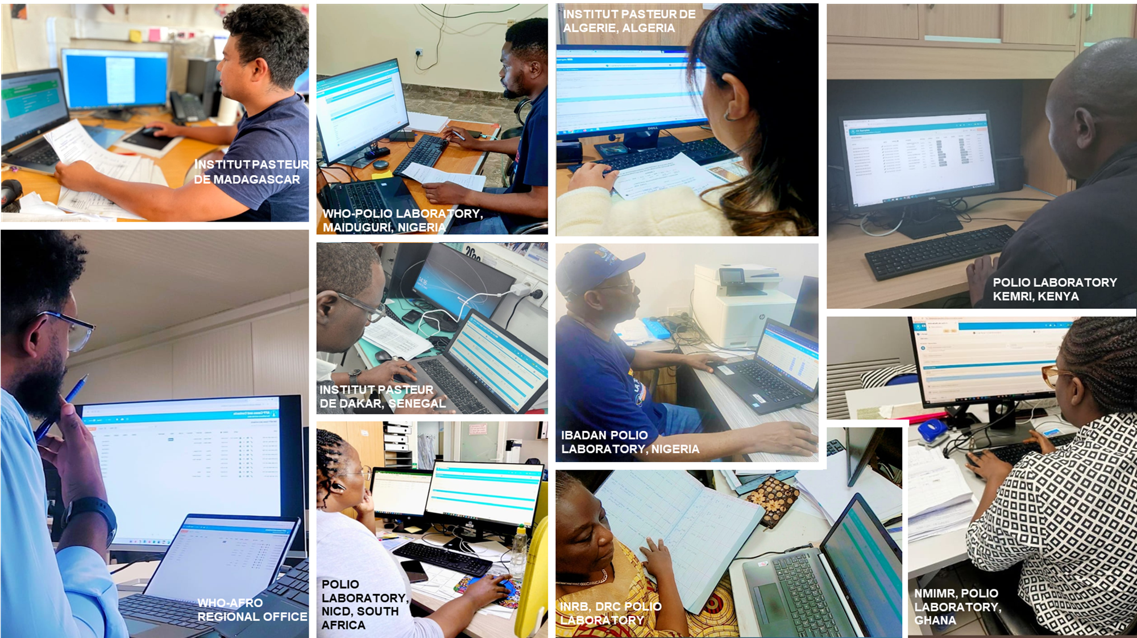
In 2025, 16 laboratories supporting polio surveillance in the WHO African Region tested more than 6,000 wastewater samples collected from over 500 locations across the Region and beyond. These tests helped identify polioviruses, including types spreading in communities.
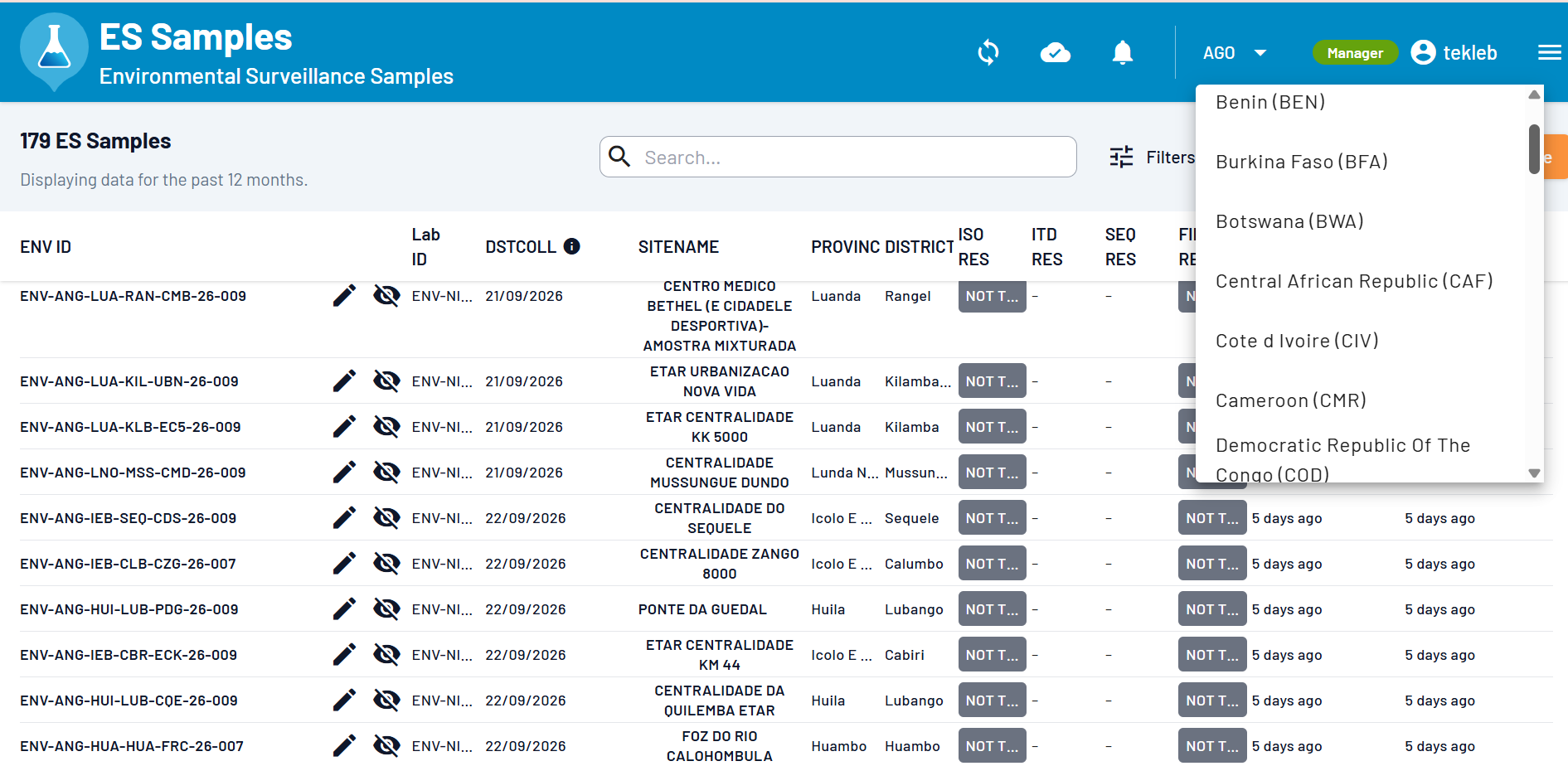
WebIFA improves how laboratories record, check and share test results. It helps health teams spot mistakes in information, monitor where poliovirus has been detected and identify changes in its spread. This allows them to make informed decisions and respond more quickly in areas where the virus is circulating.
The system also includes a dashboard that presents information through charts and graphs, making it easier for health experts to understand the results and identify areas that need attention. Available in both English and French, WebIFA can be used by laboratory teams across the Region.
Before introducing WebIFA, WHO worked closely with all 16 laboratories to test the system and train staff. From February to September 2026, laboratories used WebIFA alongside the older EpiInfo system. This gave health teams time to become familiar with the new technology, identify problems and make improvements before the full transition.
Following the successful testing period, all participating laboratories recommended that WebIFA be introduced across the Region.
“WebIFA is an important innovation for the Polio Eradication Programme, strengthening the way surveillance data are managed, accessed and used to inform public health action,” said Dr Jude Kftwah, Head of the WHO AFRO Polio Eradication Programme Laboratory. “By making laboratory information more timely, accessible and actionable, it will help laboratories and programme teams translate results into faster, more targeted responses.”
Kebba Touray, Head of the WHO AFRO GIS Centre, also highlighted the importance of using reliable information to guide decisions. “By providing timely, quality data and strategic insights, WebIFA strengthens the use of surveillance information across the programme, supporting better-informed decisions and more targeted interventions towards ending polio.”
WHO is continuing to support laboratories as they begin using WebIFA to ensure the system works smoothly and any technical problems are quickly addressed. The next step is to expand WebIFA to include information collected when health workers investigate children who suddenly develop weakness or paralysis, which can sometimes be caused by polio. This is known as acute flaccid paralysis (AFP) surveillance.
WHO plans to test this additional feature before introducing it more widely. If testing is successful and the system is ready, it could become available between April and June 2027.
The development of WebIFA has been made possible through collaboration among laboratories across the Region, WHO Headquarters, Novel-T and WHO AFRO technical teams working on surveillance, laboratory services and information management.
By making laboratory information easier to collect, check and share, WebIFA will help health experts detect poliovirus earlier, respond faster and protect more children from the disease.