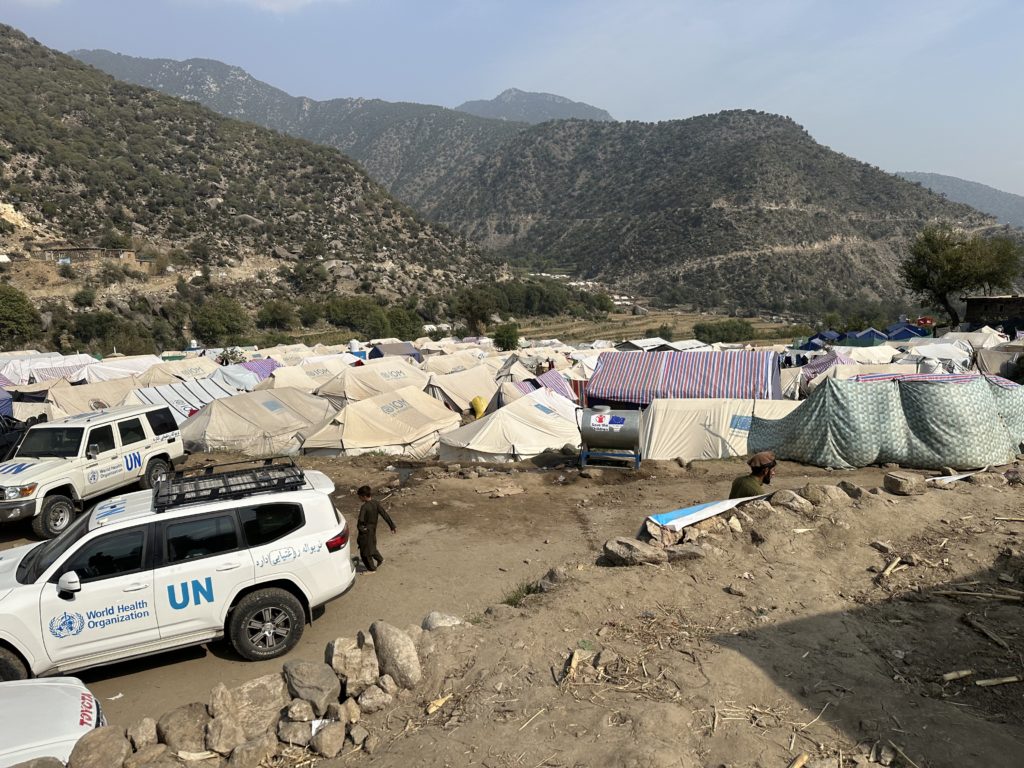
When a 6.0-magnitude earthquake struck Kunar Province in the middle of the night in September 2025, WHO-supported polio workers were among the first responders. As soon as the shaking stopped, they rushed to help rescue the injured, provide first aid, and support emergency medical teams.
Polio workers assisted in digging survivors from the rubble, establishing temporary clinics, and coordinating the delivery of medical supplies and trauma care. They also helped guide United Nations agencies and NGOs to the hardest-hit villages, ensuring assistance reached remote areas.
The polio team worked around the clock to support rescue operations and deliver critical relief.
Here they reflect on their experiences.
Mehrab, Polio Vaccinator, Dewagal village, Chawki District, Kunar Province
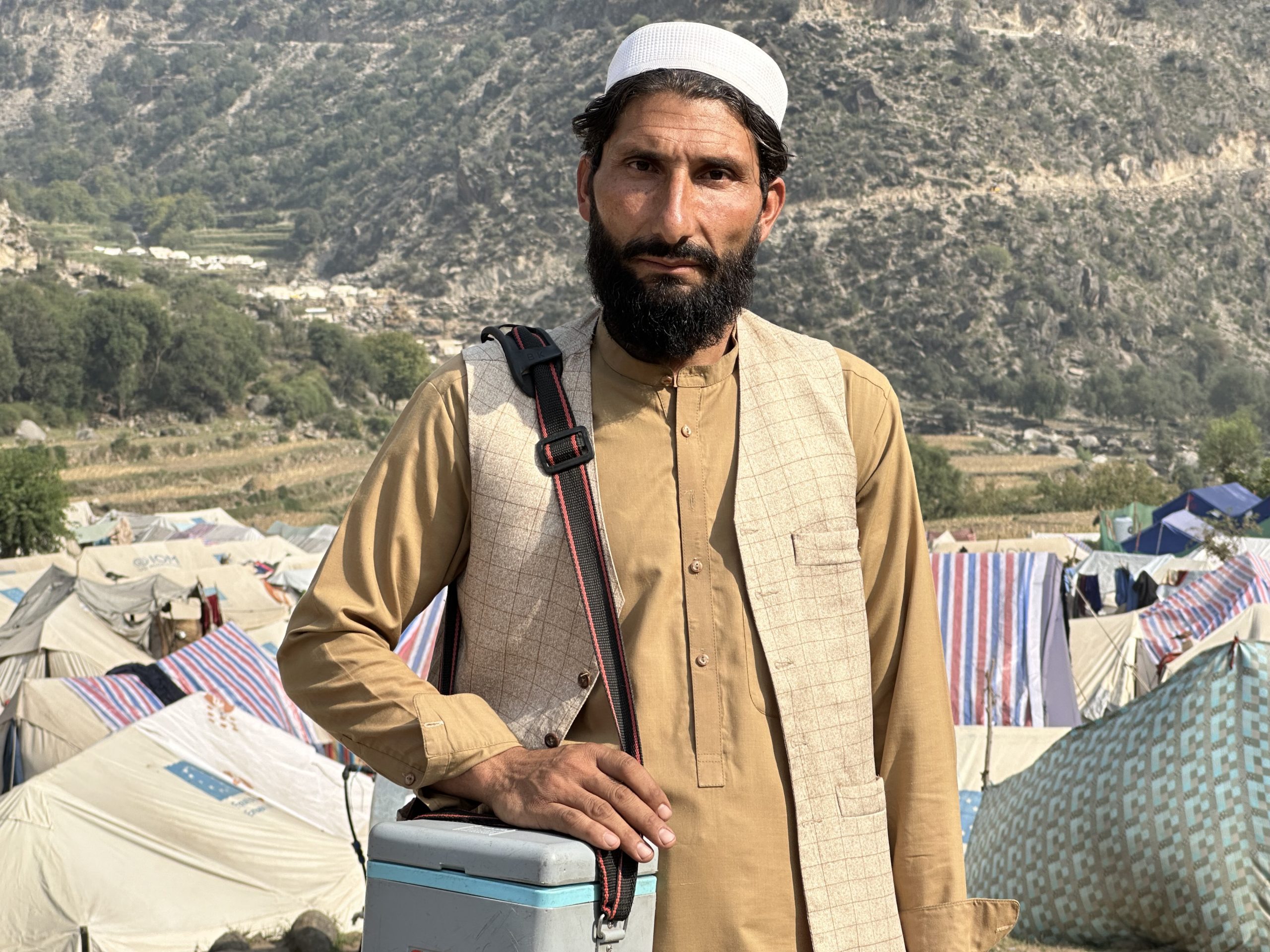 “When the earthquake struck, I was at home, asleep. I woke to the violent shaking of the house and the terrified shouts of people outside. Rushing out into the darkness, I was met with a devastating scene—homes collapsed, dust rising into the night air, and the cries of injured neighbors echoing through the village.
Without hesitation, I ran toward the destruction and began rescuing people trapped under the rubble. I provided first-aid to the injured and later assisted health professionals as soon as they arrived in the village. I also coordinated with all the polio vaccinators in the area so we could work together to rescue the wounded and deliver immediate first-aid response.
It was a tragedy unlike anything our village had ever seen. I lost relatives, friends, and neighbors that night, yet I pushed myself to keep helping as many people as I could. In the days that followed, I helped set up tents for displaced families and took part in distributing food to those who had lost their homes.
I have worked with the Polio Eradication Programme in Dewagal for two years, and during the response I used my local knowledge to guide partners and other UN agencies to the most severely affected areas and to help map where the support was needed most.
Despite the sorrow and loss, I am proud that I was able to help my community in such a difficult time.”
“I did everything I could—day and night—to rescue my people and guide help to every village. Despite the immense loss, I am proud to have stood by my community when they needed me most during the earthquake.”
Ahmad Isaq, District Polio Officer, Chawki District, Kunar Province
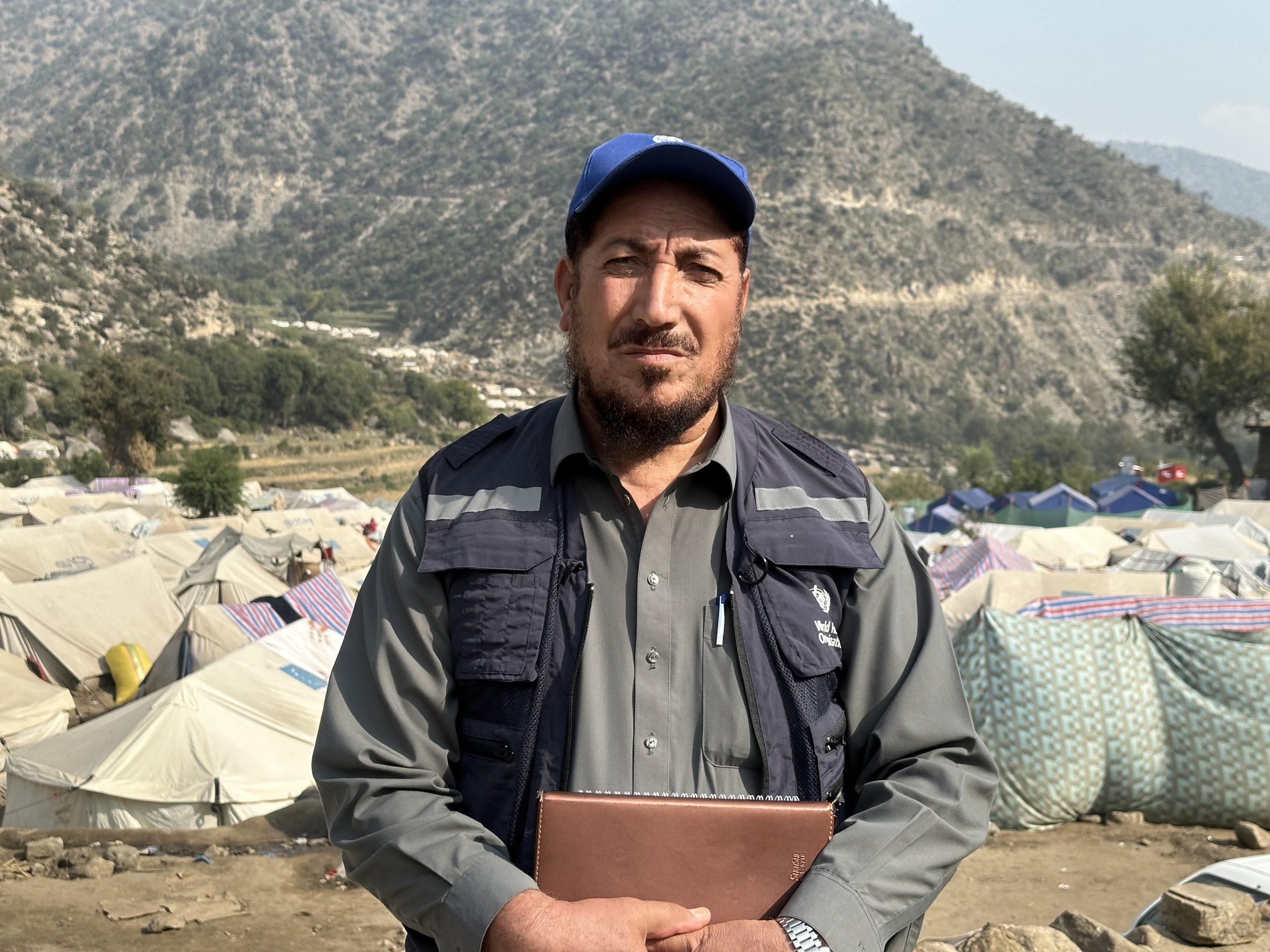 “I was at home when I received the news that a strong earthquake had struck one of the villages in my district. Immediately, I began contacting relatives who were reachable by phone to gather initial information—how many houses had been destroyed and what the most urgent needs were. Early the next morning, I traveled to the affected village.
When I arrived, the devastation was overwhelming. Most of the houses had collapsed, many people had died or were injured, and community members were still trying to rescue survivors from the rubble. In coordination with the community elders, we quickly established several commissions, including one responsible for transporting the injured to hospitals and another for assessing people’s needs and coordinating support from UN agencies and NGOs.
I worked closely with the Kunar Health Department to assign medical teams where they were needed most and supported them in setting up makeshift clinics throughout the village. I also assisted in distributing WHO emergency kits to the affected areas and to those who required immediate treatment. At the same time, I kept the regional polio team updated on the situation as it unfolded.
During the response, I learned about a remote village where many people were badly injured, but the area was inaccessible by vehicle. After hearing about their condition, I contacted the District Governor, shared the information, and requested that a helicopter be sent to evacuate the wounded. Following my report, the governor coordinated a helicopter mission, which successfully transported the injured to the district hospital for treatment.
Looking back, I am truly proud of the role I played during this emergency and the support I was able to help mobilize for the affected communities.”
“I am truly proud that my actions helped coordinate medical teams, distribute emergency kits, and evacuate the injured from remote areas.”
Dr Sardar Tayab, Polio Eradication Initiative Coordinator for Kunar Province
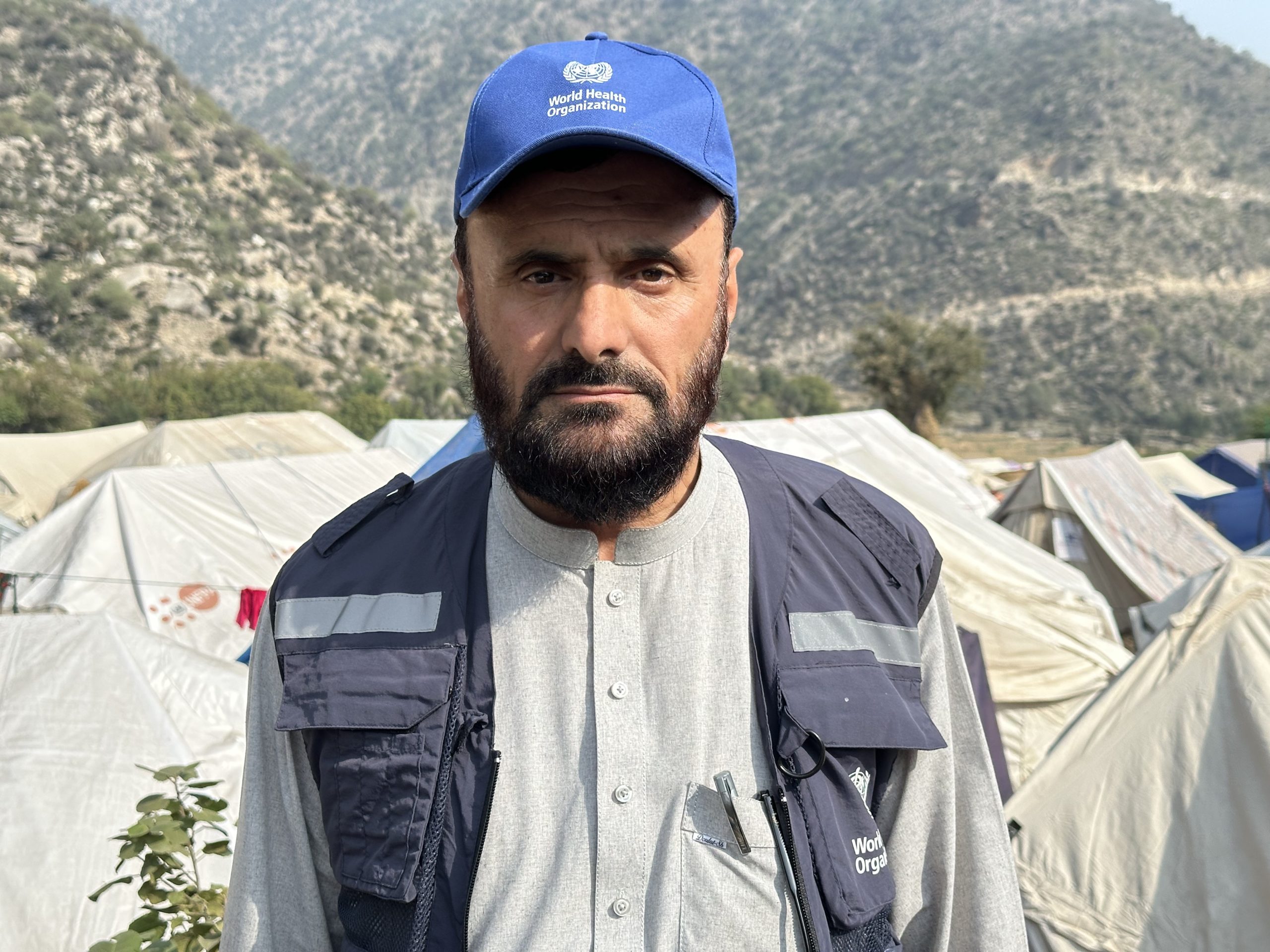 “In the middle of the night, I received the news that an earthquake had struck several districts across the province. As soon as I learned of the devastation, I instructed all Provincial Polio Officers (PPOs), District Polio Officers (DPOs), and polio vaccinators to immediately reach the affected areas and assist the impacted communities.
At 2:00 a.m., we convened an emergency meeting at the Kunar Health Directorate to coordinate support for the affected districts in collaboration with UN agencies and NGOs. After this meeting, I contacted WHO’s emergency programme in the eastern region and arranged for emergency and trauma kits to be supplied to the earthquake-hit areas.
Because I am familiar with all parts of the province—including the areas severely affected by the earthquake—I worked closely with other agencies and NGOs, guiding them on where to deliver assistance and where to establish temporary clinics. I also provided them with critical information about each location, including the extent of destruction, population size, and the specific types of support needed.
I am extremely proud of the entire polio team—Polio Provincial Officers, District Polio Officers, supervisors, and vaccinators—who played an exceptional role throughout the response. They rescued people from the rubble, delivered emergency medical care, helped establish makeshift clinics, and coordinated essential health services for the affected communities.”
“In the darkest hours of the night, our polio team became first responders—rescuing people, delivering emergency care, and guiding lifesaving support to every affected village.”
Protecting children after the emergency
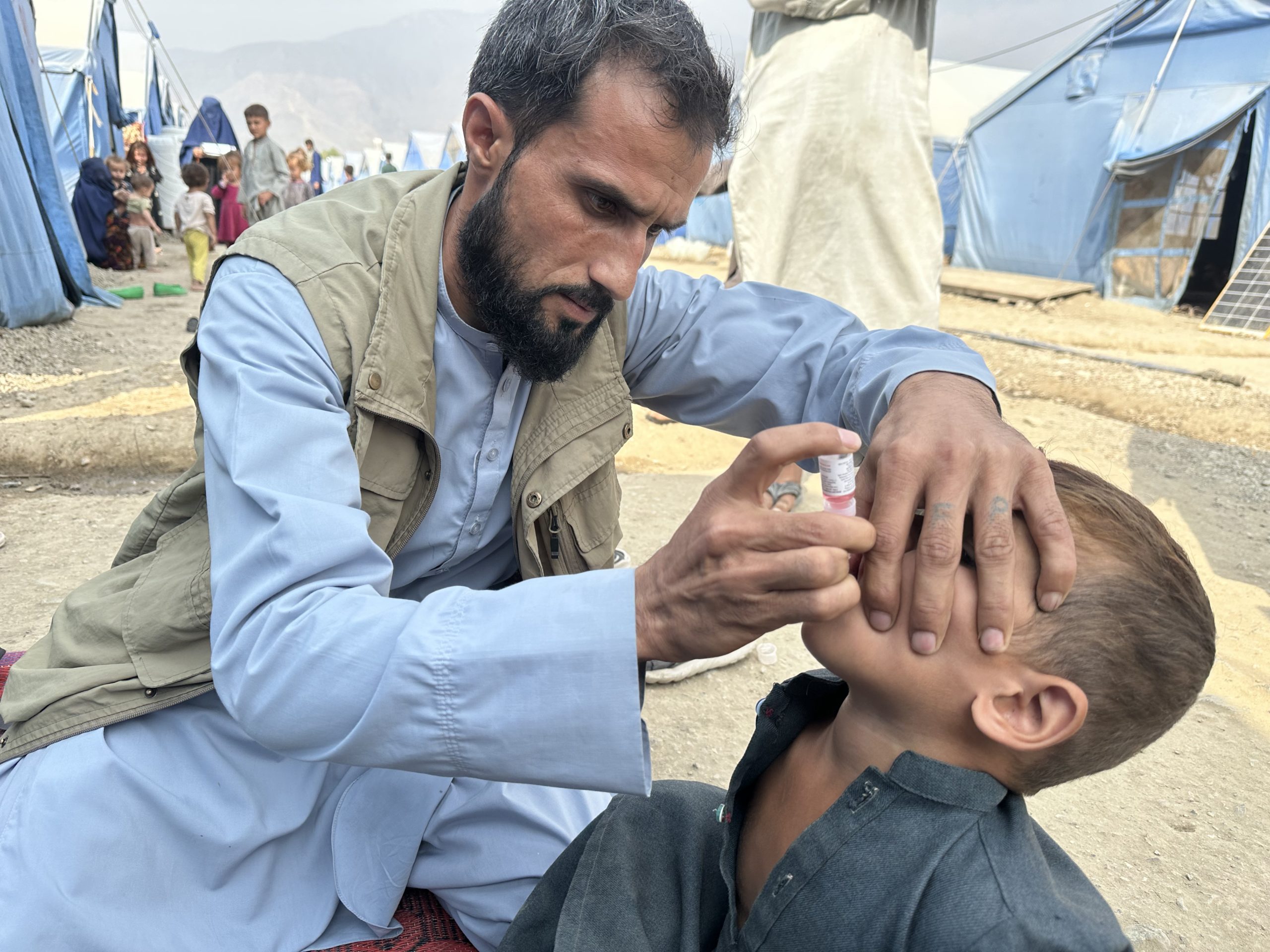
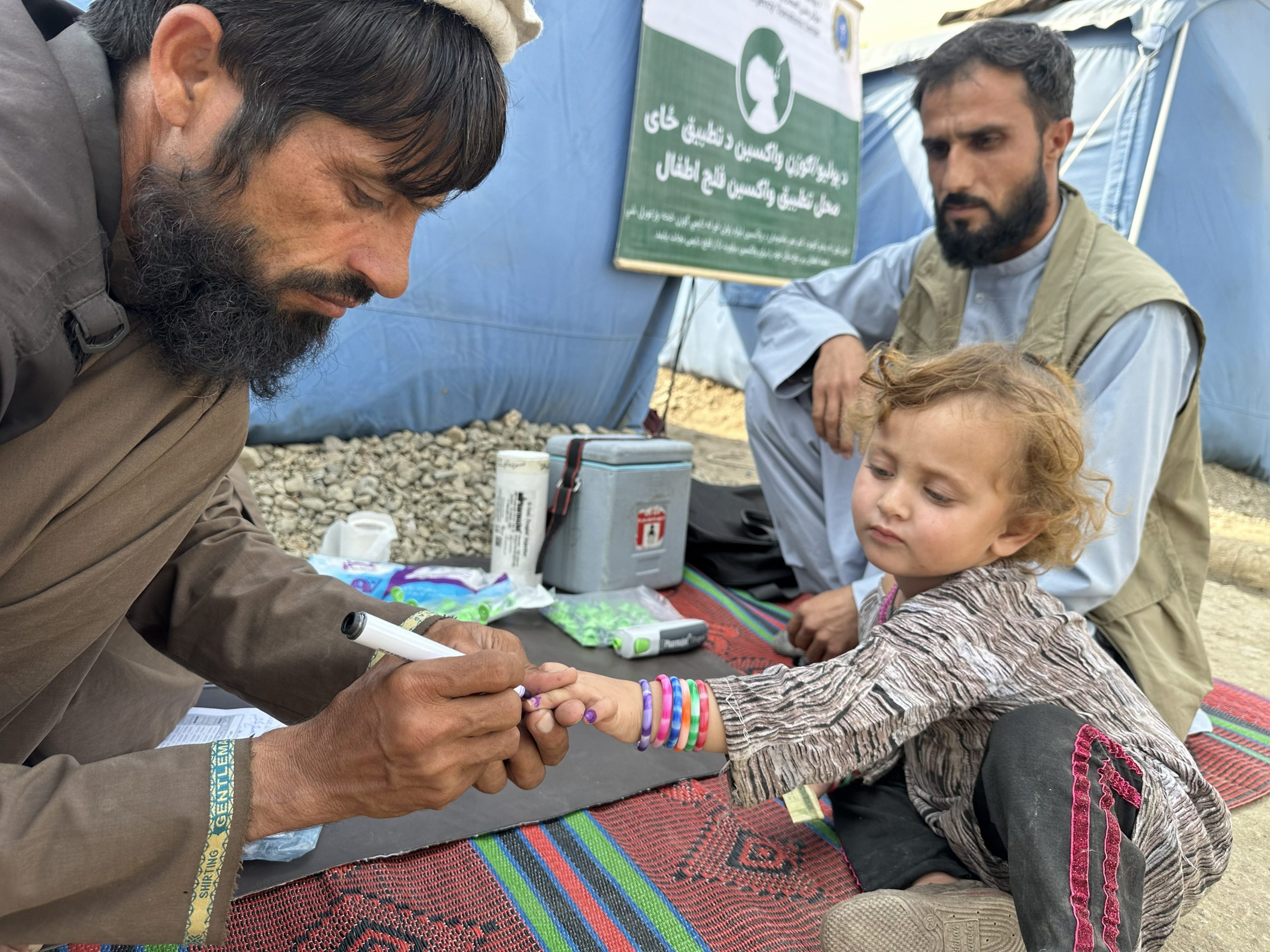
After the earthquake, displaced families faced an increased risk of vaccine-preventable disease outbreaks, particularly among children living in crowded temporary shelters. To reduce this risk, polio team immediately launched vaccination activities in camps and makeshift settlements.
Children received oral polio vaccine (OPV), inactivated polio vaccine (IPV) and measles vaccination to help prevent secondary outbreaks after the disaster. Monthly polio vaccination rounds continued without interruption in the weeks that followed.
The response in Kunar highlights how the polio programme supports communities not only through disease prevention, but also through emergency response—remaining on the front lines to protect children before, during and after crises.