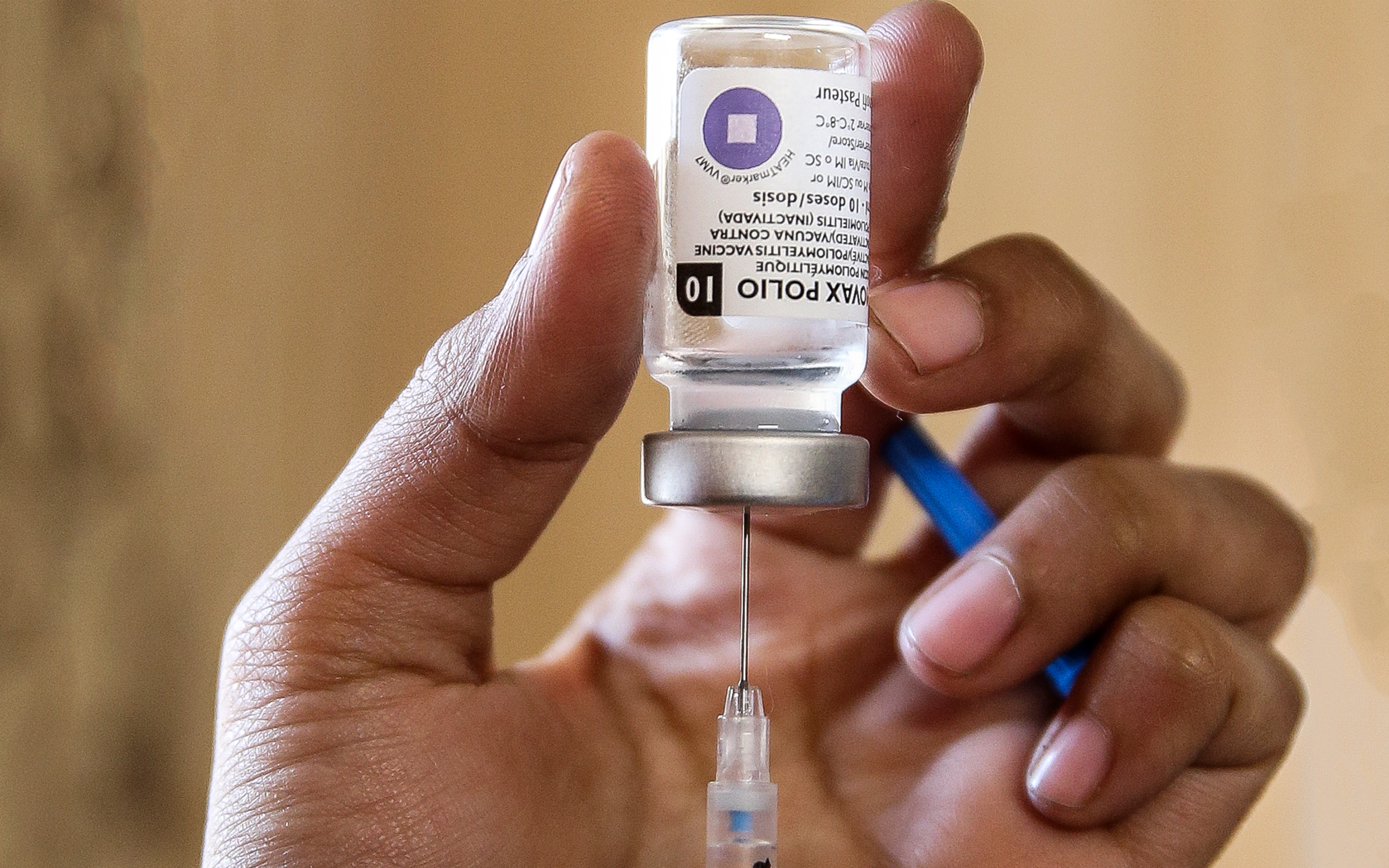
A newly published clinical trial in Nepal provides important new evidence supporting the use of Sabin-based inactivated poliovirus vaccine (sIPV), a promising alternative to conventional IPV that could help make polio vaccination more affordable and accessible worldwide.
IPV is a critical component of global polio eradication efforts. It helps protect children against paralysis caused by all three types of poliovirus and will remain essential for maintaining population immunity after wild poliovirus transmission has been stopped.
The study, published in The Lancet Global Health, assessed the immune response and safety of sIPV when administered alongside bivalent oral polio vaccine (bOPV) as part of a routine immunization schedule recommended by WHO’s Strategic Advisory Group of Experts on Immunization (SAGE).
Researchers found that sIPV generated strong immune responses, was not inferior to conventional IPV and raised no new safety concerns.
Why does this matter for polio eradication?
Conventional IPV and Sabin-based IPV are produced using different poliovirus strains. Expanding the range of vaccines that countries can use offers important opportunities to diversify supply, strengthen vaccine security and potentially increase competition among manufacturers.
Greater competition could, in turn, help reduce prices and improve equitable access, particularly in countries where immunization resources are limited.
The findings also reinforce existing SAGE recommendations that conventional and Sabin-based IPV can be used interchangeably in routine immunization schedules as well as for outbreak response, giving immunization programmes greater flexibility.
This is particularly important for the long term. Even after polio is eradicated, countries will need to maintain protection against the disease in accordance with global post-eradication immunization policies. A reliable, affordable and diversified IPV supply will therefore remain a global public health priority.
The Nepal study adds valuable evidence to efforts to ensure that the benefits of polio eradication can be sustained for generations to come.