The GPEI is supported by financial contributions from a range of stakeholders including governments, philanthropies, private institutions and individuals. As implementing partners of the program, WHO and UNICEF receive and administer these funds as per the GPEI budget.
These contributions are supplemented by in-kind contributions within implementing countries such as the time spent by volunteers, health workers and others to plan and carry out vaccination campaigns and surveillance activities. Non-financial resource requirement (Non-FRR) funding, whether cash or in-kind, also supports innovations and other supplementary activities that create an enabling environment for polio eradication.
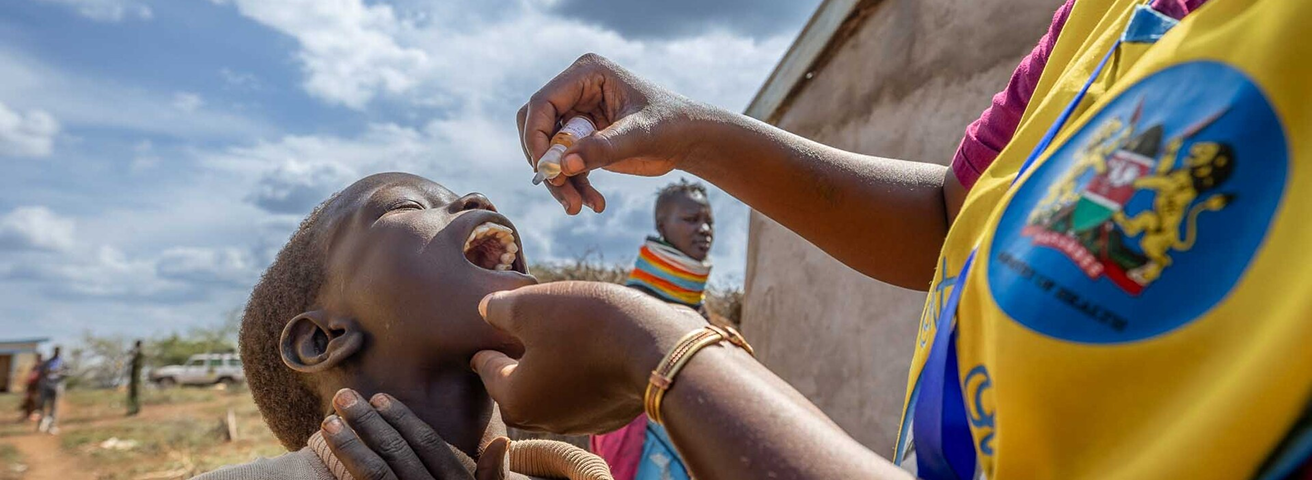
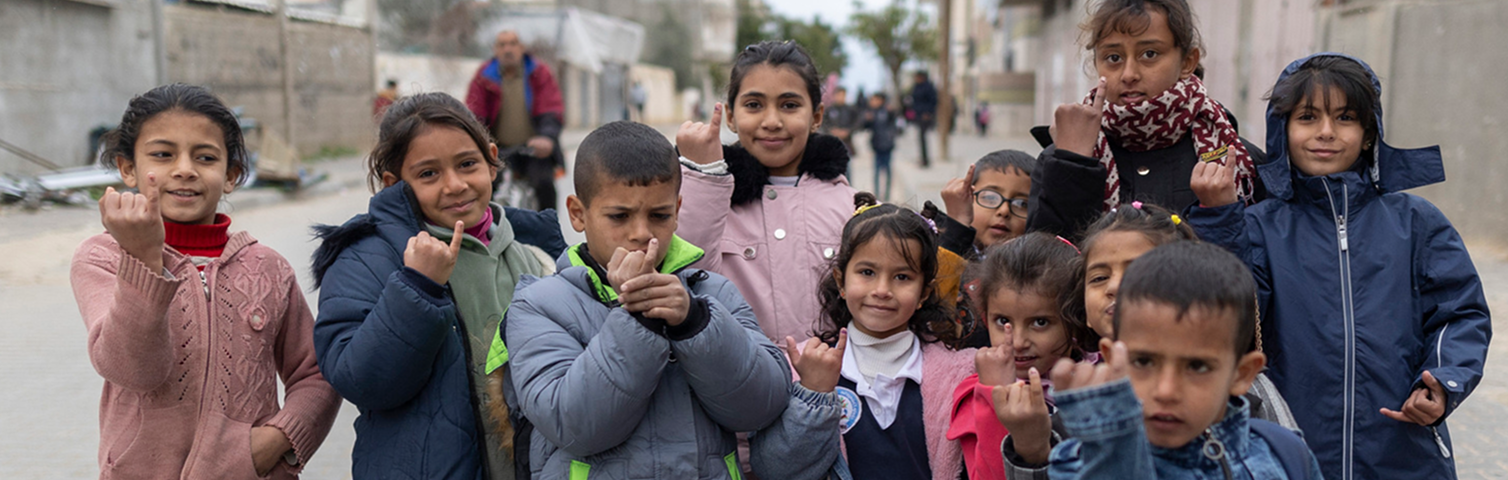
As an operational program, funds received by the GPEI go directly to the in-country work that makes eradication possible—conducting disease surveillance, vaccinating 370 million children against polio annually and strengthening country health systems. Any gaps in this funding have direct impacts on these essential activities and leave children unprotected against polio.
The GPEI has adopted a rolling resource mobilization campaign, called the ‘Relay to Zero,’ to maximize funding opportunities and build on programmatic successes. This recognizes the rapidly changing global context along with the need for steady and sustained funding and continuous donor engagement.
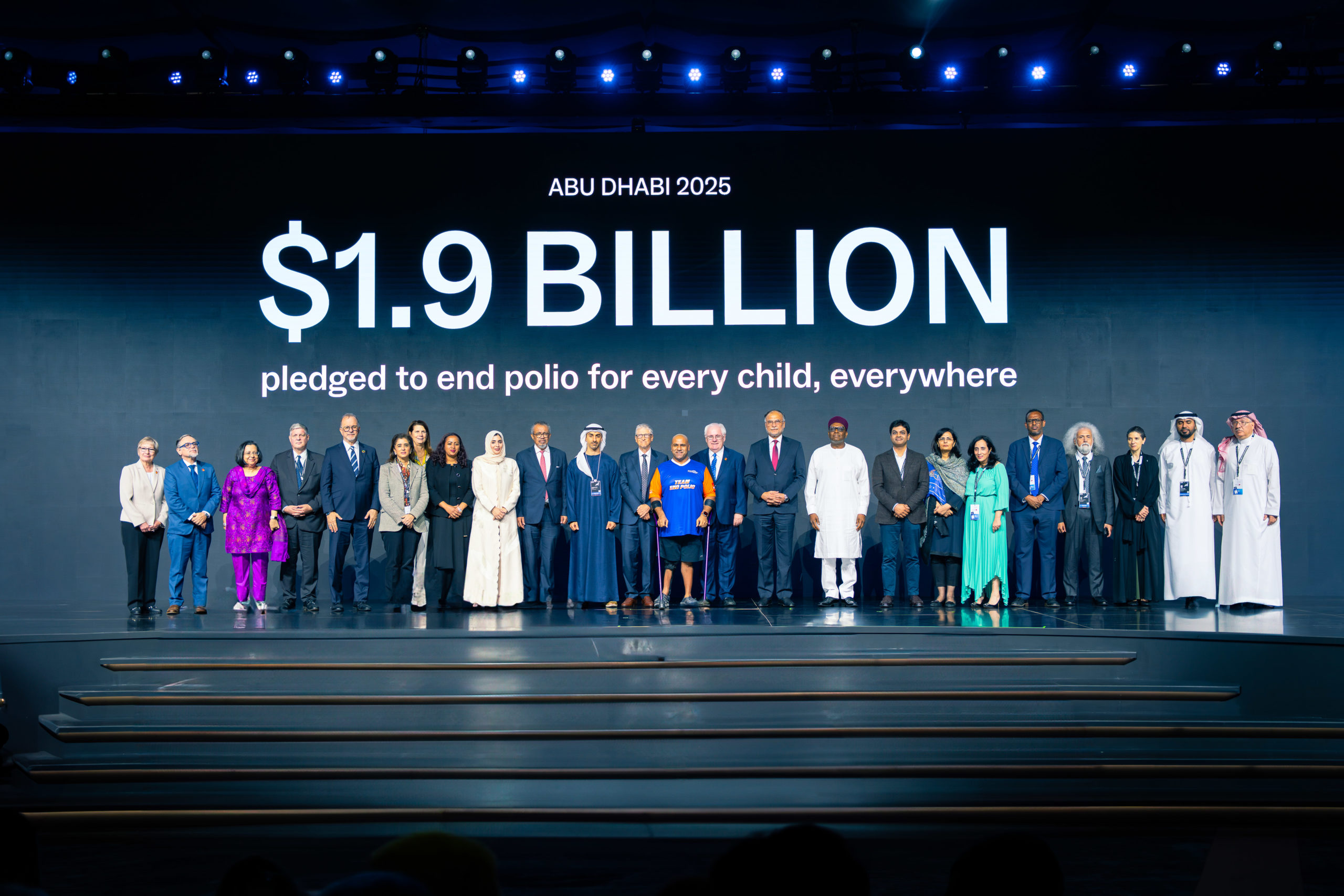
In 2025, building on the multi-year contributions pledged by Canada and the Kingdom of Saudi Arabia in 2024, international leaders, philanthropists, and global health partners announced in Abu Dhabi a collective US$1.9 billion to advance polio eradication. This includes approximately $1.2 billion in newly pledged funds that will reduce the remaining resource gap for the GPEI’s 2022-2029 Strategy to $440 million.
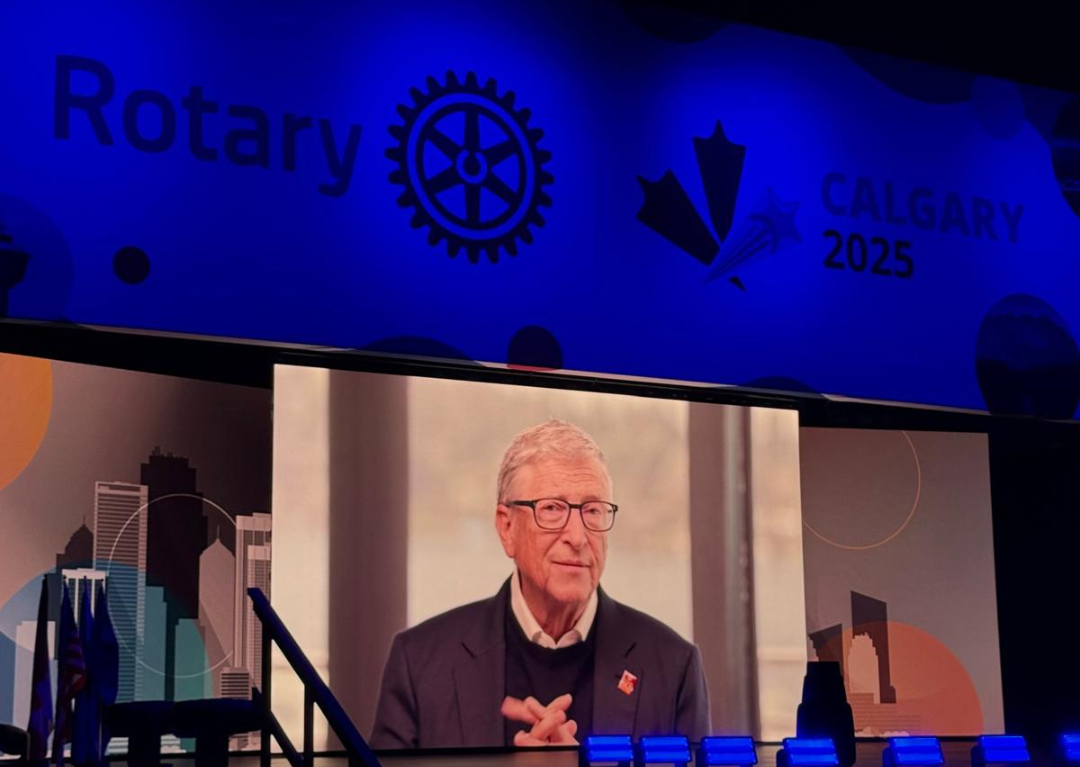
Pledges were made from a diverse group of donors and countries, including: $1.2 billion from the Gates Foundation; $140 million from the Mohamed bin Zayed Foundation for Humanity; $450 million from Rotary International; $100 million from Bloomberg Philanthropies; $154 million from Pakistan and $62 million from Germany; $46 million from the United States of America; $6 million from Japan; $4 million from the Islamic Food & Nutrition Council of America (IFANCA); and $3 million from Luxembourg.
The GPEI will continue its work with the international donor community and polio-affected countries to close the funding gap and mobilize critical resources through 2029.